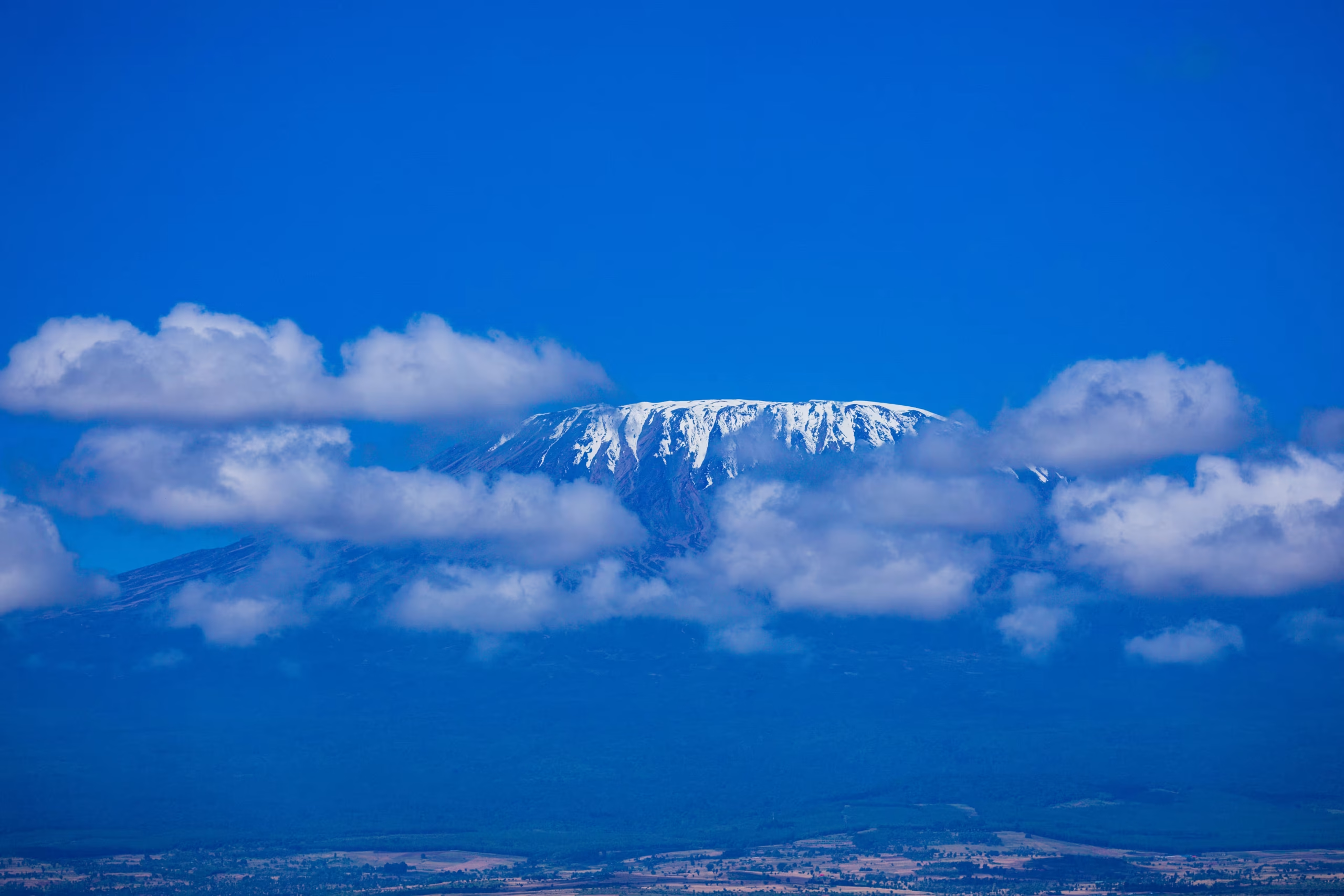
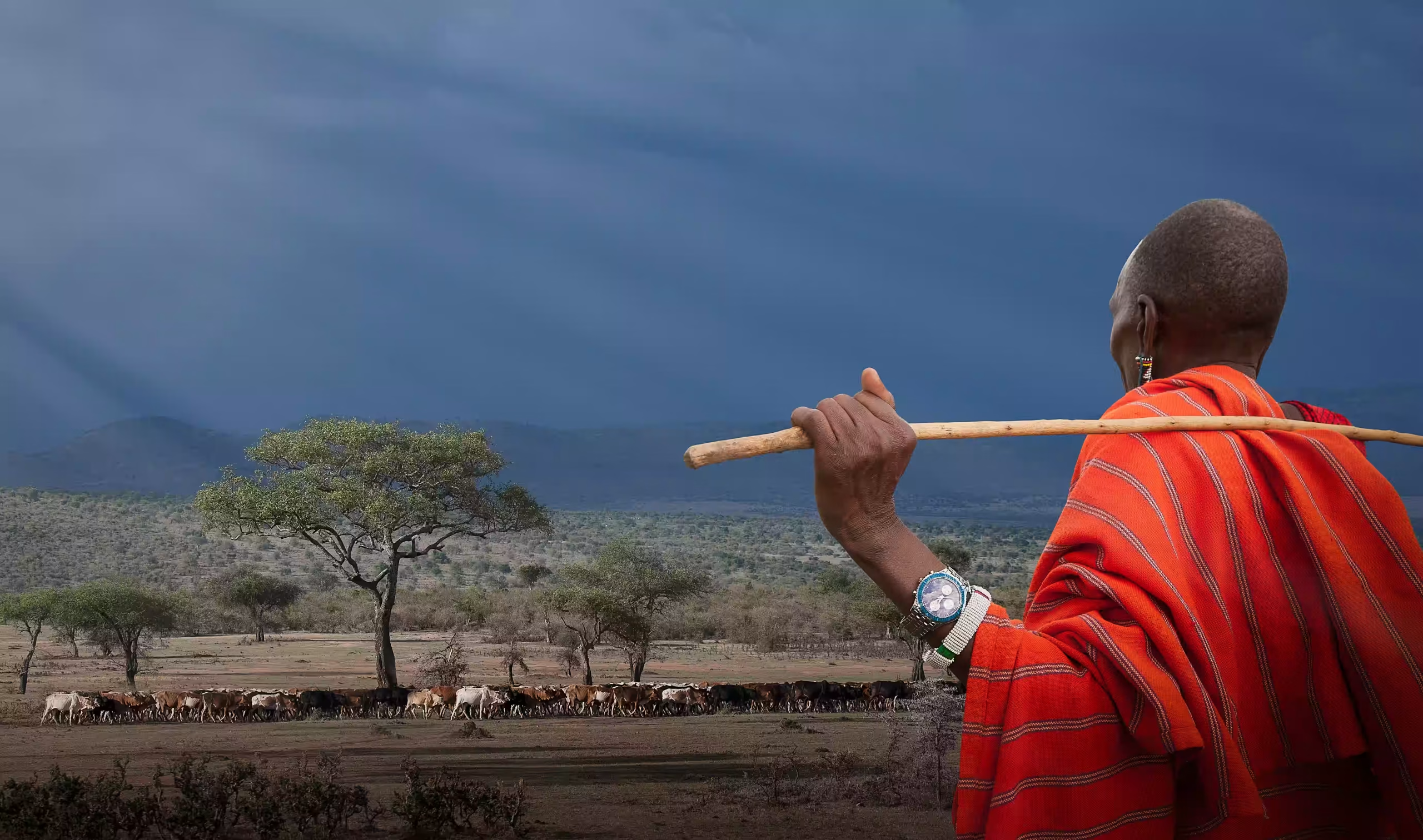
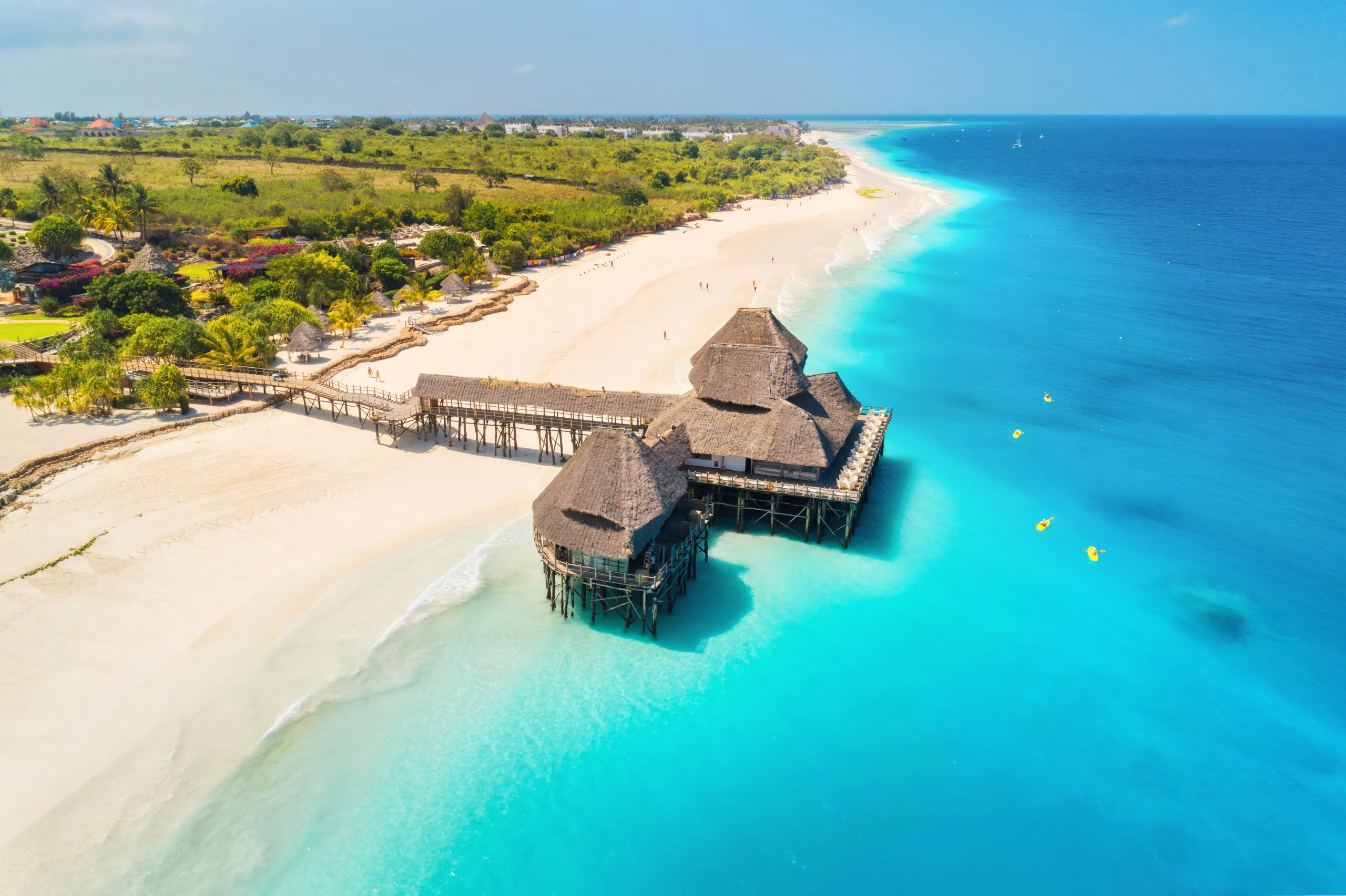
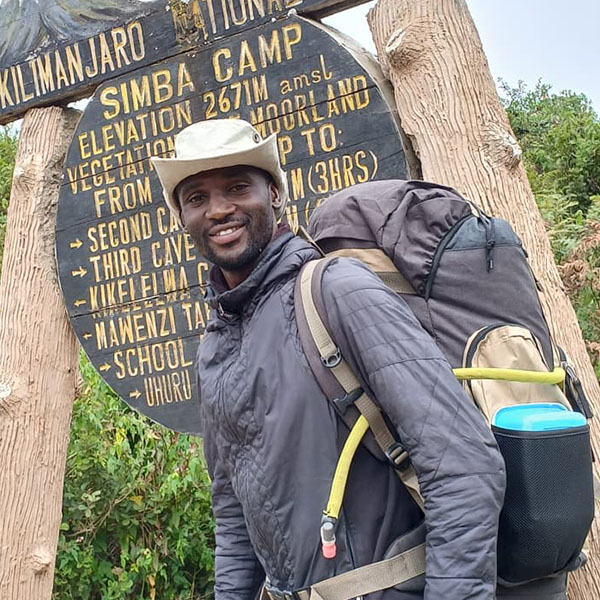
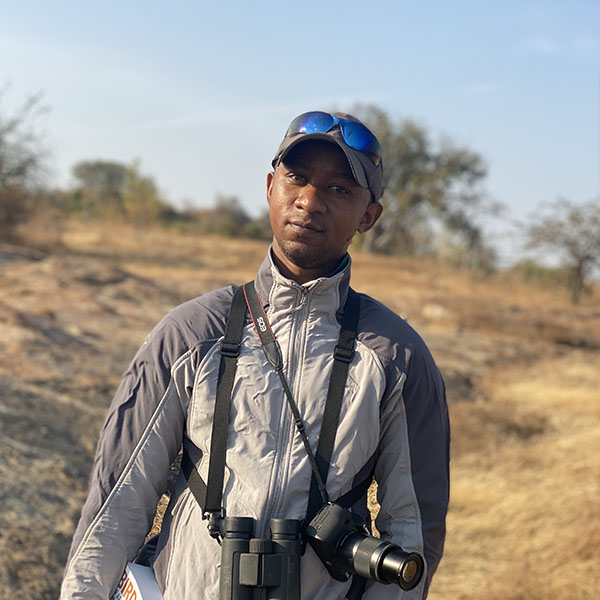
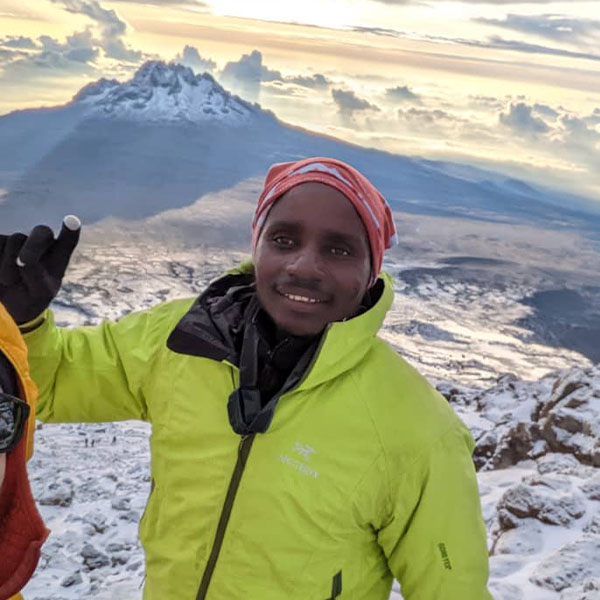
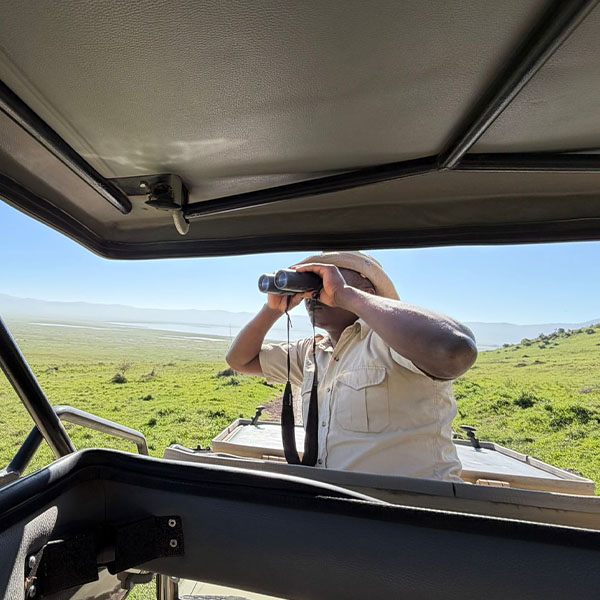
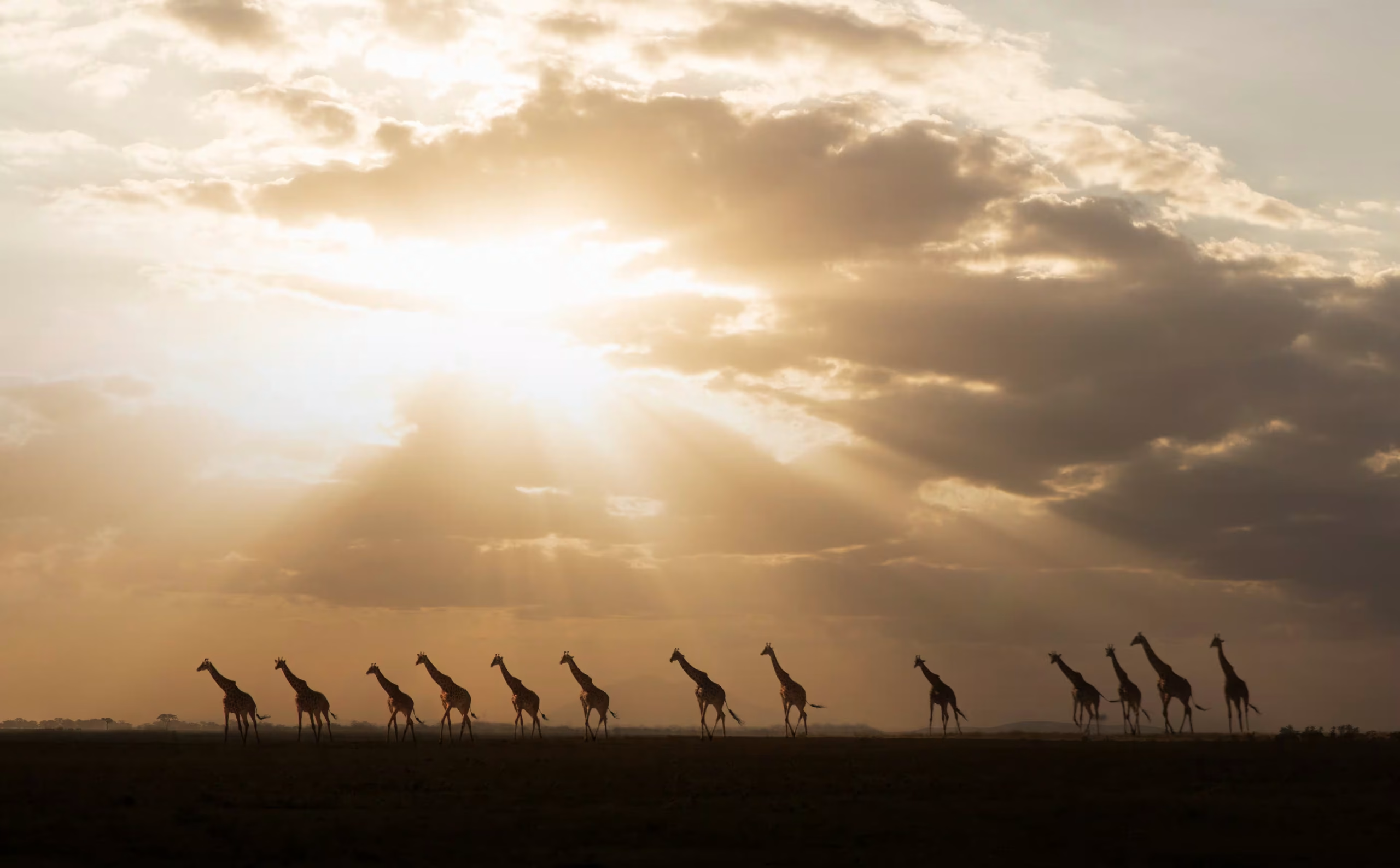
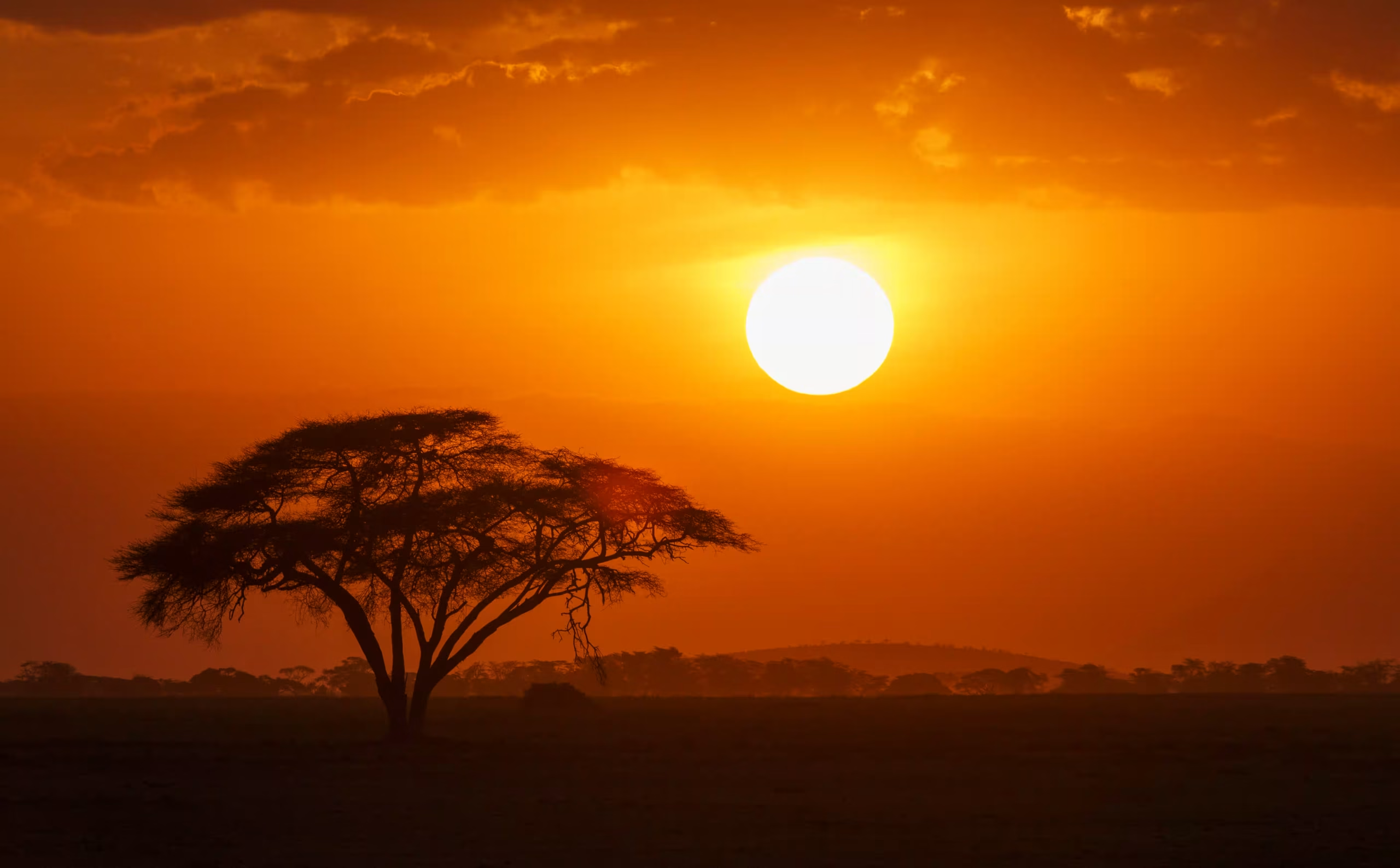
Planning your first Tanzania safari can feel like standing at the edge of the bush at dusk, everything ahead is thrilling, but you are not entirely sure which direction to walk in. Which circuit, which season, how many days, what it actually costs, and how it all fits together. We put this guide together from years of building itineraries out of Arusha, drawing on real conversations with guests before, during, and after their trips, so you can plan with confidence rather than guesswork. By the end, you should have a clear sense of the route that suits you, the season that matches what you want to see, and a realistic number in mind before you ever request a quote.
01 Choosing Your Route: Northern or Southern Circuit
Most first time visitors travel the Northern Circuit, which links Tarangire, the Serengeti, and the Ngorongoro Crater into a single loop out of Arusha. It is compact, the roads are good, and the wildlife density is extraordinary. If this is your first safari and your time is limited, this is almost always the right answer.
The Southern Circuit, covering the Ruaha and Selous ecosystems, sees a fraction of the visitors. Fewer vehicles, wilder terrain, and a slower, more remote feel. It suits travellers who have done a safari before, or who simply want solitude over convenience.
There is a third option worth knowing about too, combining a short taste of both. Some itineraries fly guests south for two or three nights before returning north for the bulk of the trip, though this adds cost and travel time that only makes sense on longer stays. For most travellers working with five to seven days, picking one circuit and doing it properly beats splitting the time between two.
A few questions worth asking yourself before you choose:
- —Is this your first time in Tanzania, or have you safaried before?
- —Does having fewer vehicles at each sighting matter more to you than convenience?
- —How many days do you realistically have, once flights are accounted for?
- —Are you travelling with young children, and if so, how long can they sit through a drive?
02 Best Time to Go
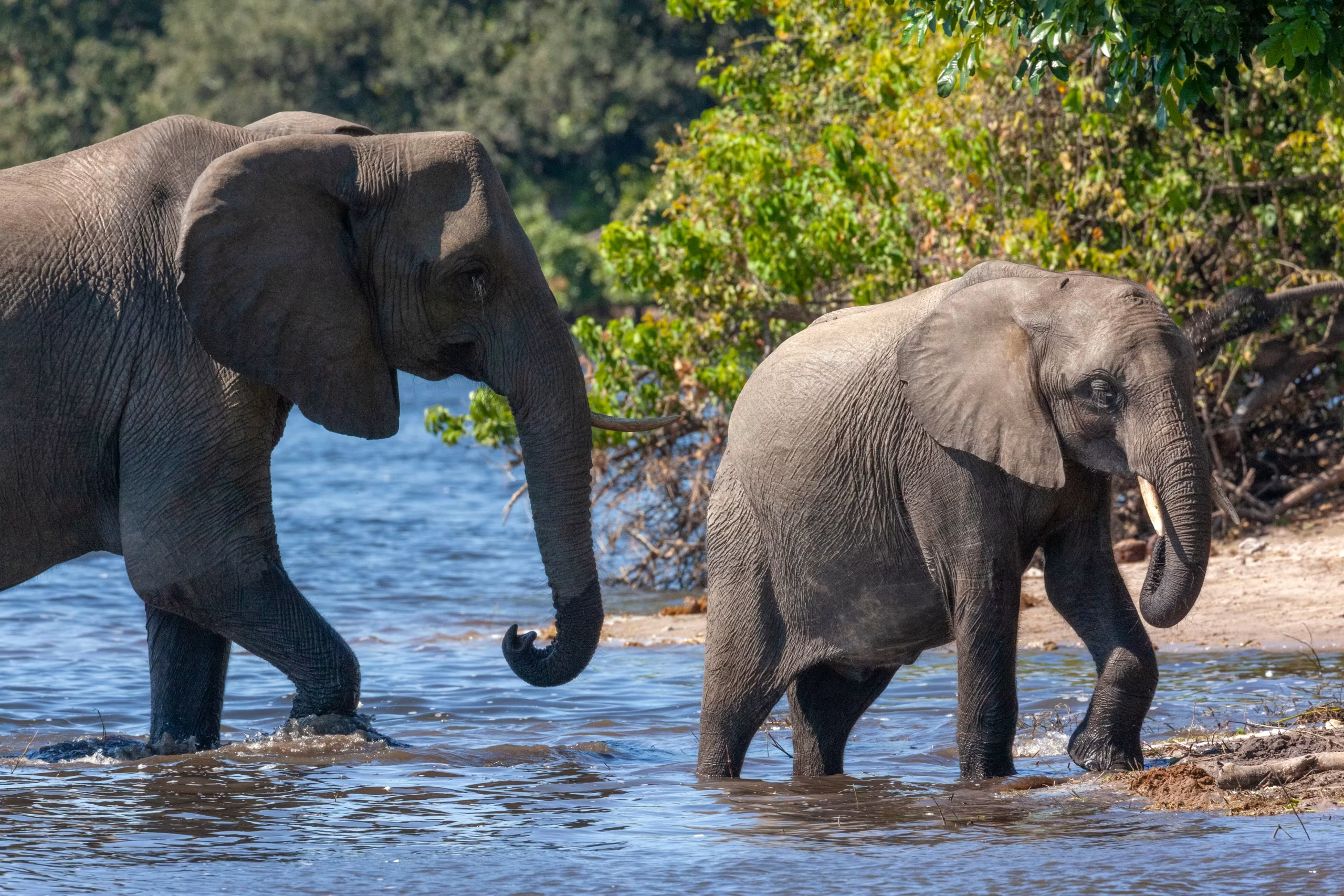
The dry season, June through October, is the classic safari window. Vegetation thins out, animals gather around permanent water sources, and game viewing is at its most reliable. It is also peak season, so camps fill early and rates climb accordingly.
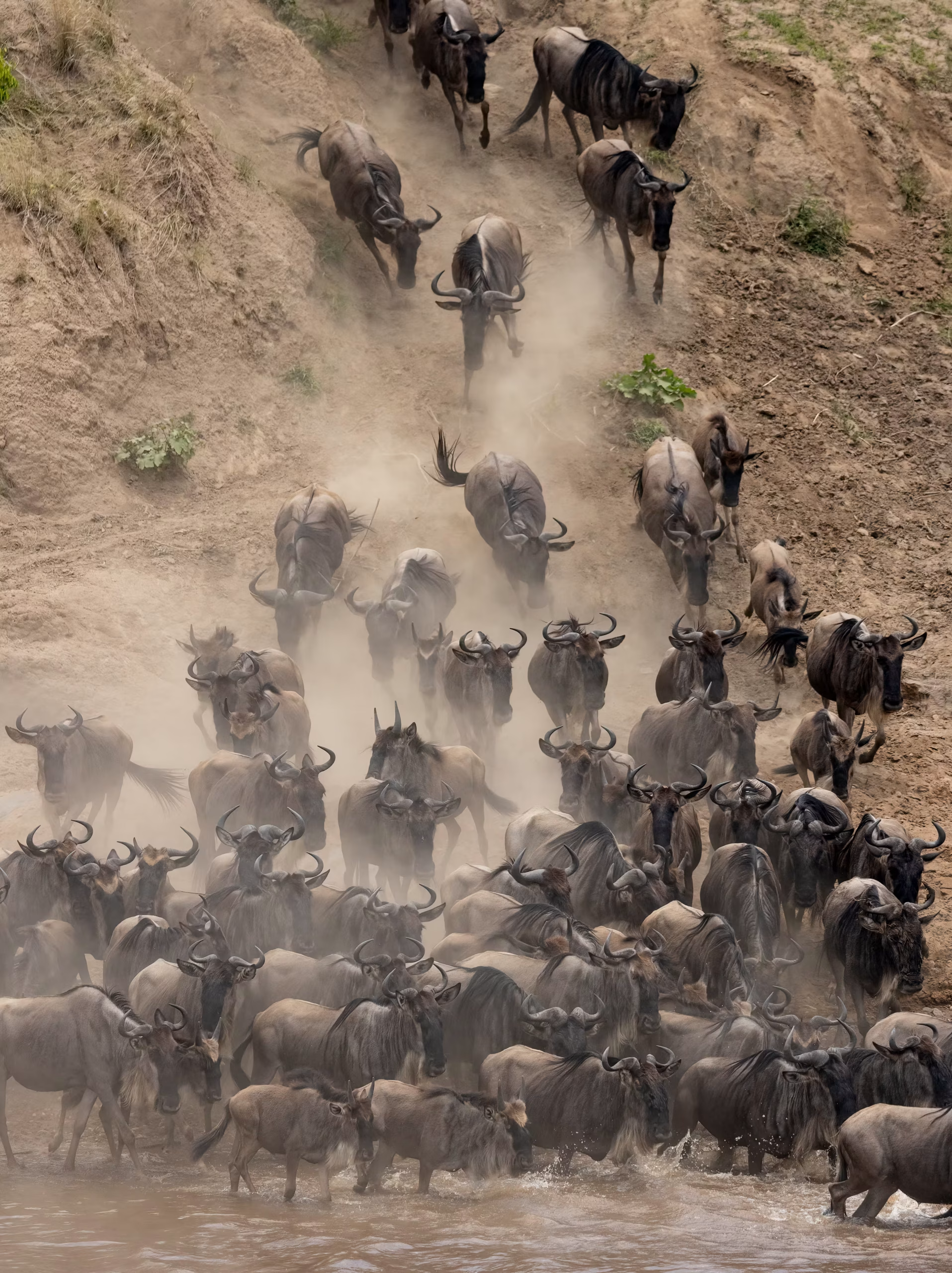
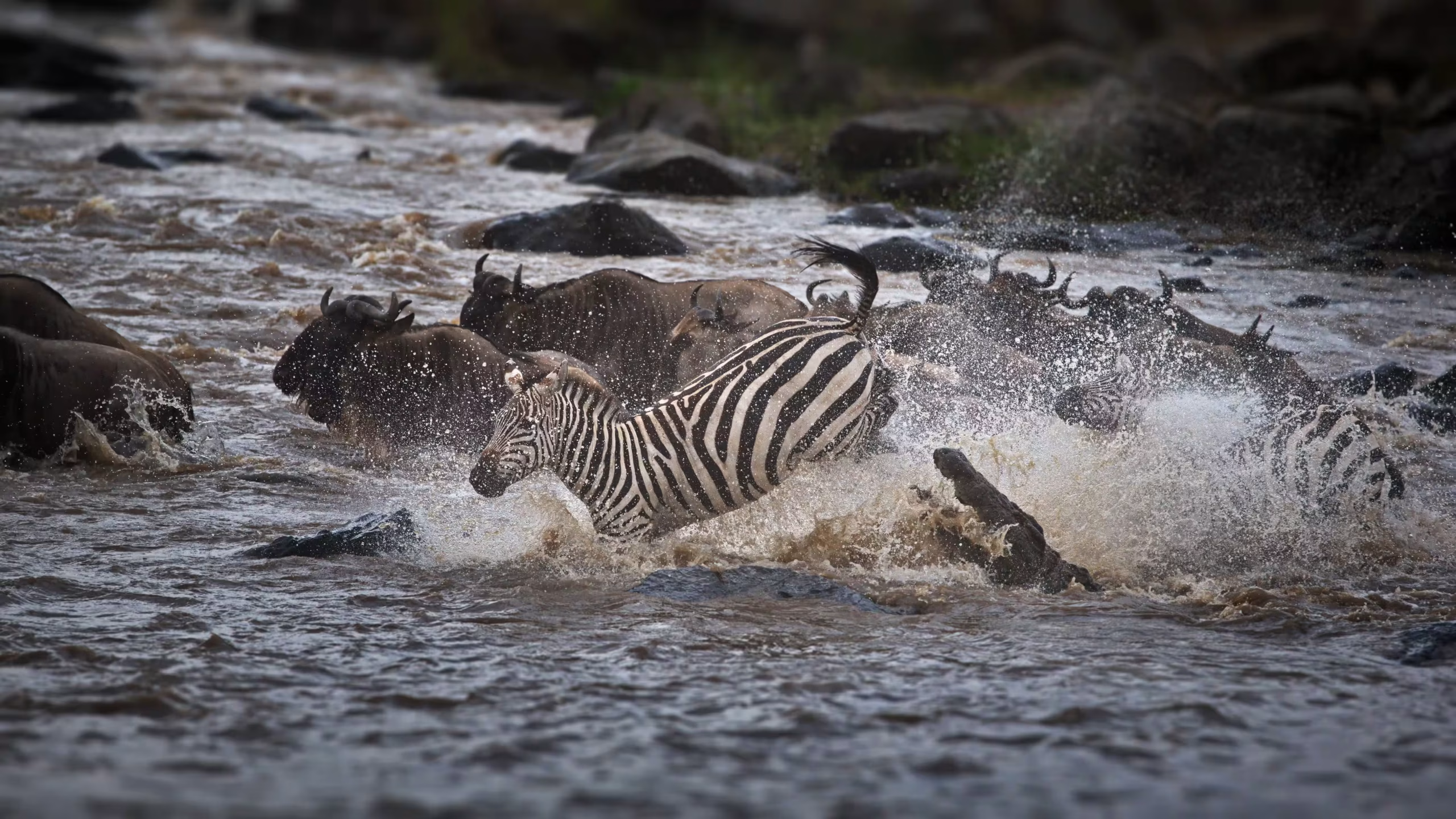
The green season, November through May, brings dramatic skies, newborn wildlife, and noticeably lower rates, with a short dry spell in January and February many seasoned travellers consider a hidden sweet spot. If you are chasing the Great Migration specifically, timing shifts through the year, from calving season in the southern Serengeti in February, to river crossings further north around July and August.
Shoulder months, late May into early June, and again in November, split the difference. Rates begin easing before the dry season price jump, or before the crowds of December return, and the bush is often still green enough to be dramatic without the heaviest rains. If flexibility is on your side, these weeks are worth a serious look.
There is no single best month to visit Tanzania. There is only the best month for what you want to see.

03 Where You Will Stay
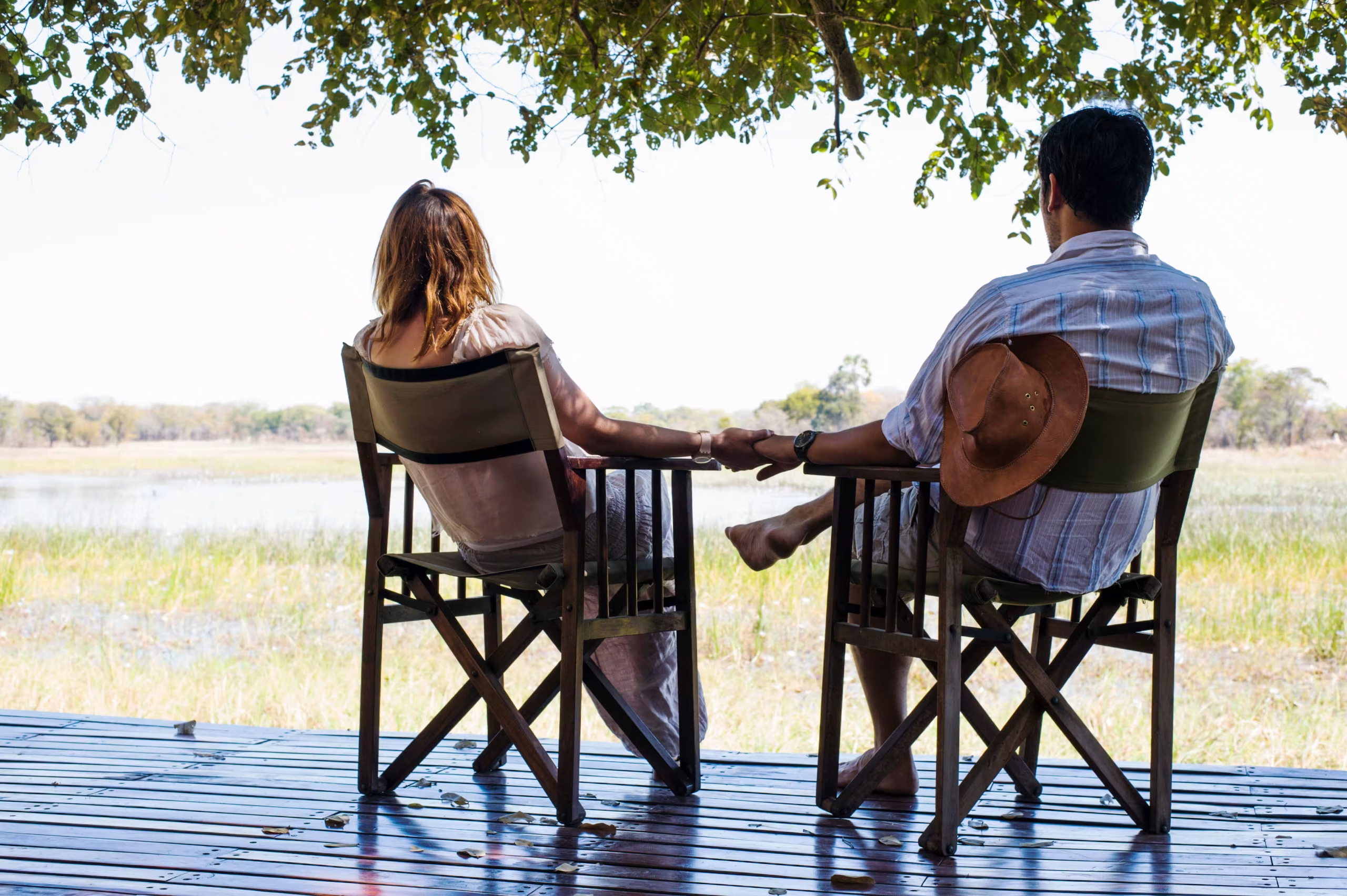
Tented camps put you closest to the sounds of the bush, canvas walls, oil lamps, and a genuine sense of being out there. Lodges trade a little of that immersion for solid walls and more predictable comfort, a good middle ground for families. Private luxury camps sit at the top end, often with just a handful of tents and locations inside prime wildlife concessions that general lodges cannot access.
We do not work from a fixed list of preferred properties with a commission attached. Every camp we recommend has been visited by someone on our team, so when we say a place suits a honeymoon or a family of five, it is based on having actually stood in the room, not a brochure description.
| Tier | Accommodation | Vehicle | Per Person |
|---|---|---|---|
| Comfort | Tented camps or lodges | Shared or private | $1,000 – $1,800 |
| SignatureMost booked | Boutique lodges and camps | Private 4x4 | $1,900 – $3,600 |
| Private Luxury | Exclusive-use camps | Private, internal flights | $4,200+ |
Estimated per-person costs for a five-day Northern Circuit itinerary. Final pricing depends on travel dates and camp selection.
04 What a Day on Safari Actually Looks Like
Most days start early, well before sunrise, when the bush is coolest and wildlife is most active. A typical morning drive runs three to four hours, followed by brunch back at camp and a break through the heat of midday. Afternoon drives pick up again as temperatures drop, often stretching into sunset, with a stop for sundowners somewhere with a proper view.
Days are rarely identical. A guide who knows the terrain will adjust the route around what has been spotted overnight, a kill, a river crossing, a pride on the move.
Many camps also offer night drives and guided walking safaris where park regulations allow, both worth adding if you want a different rhythm from the standard vehicle-based day. A walking safari in particular slows everything down, tracks, dung, birdsong, the small details a vehicle moves past too quickly to notice. Here is what a typical five-day Northern Circuit trip looks like in practice:
- 1Arrive at Kilimanjaro International Airport, transfer toward Tarangire.
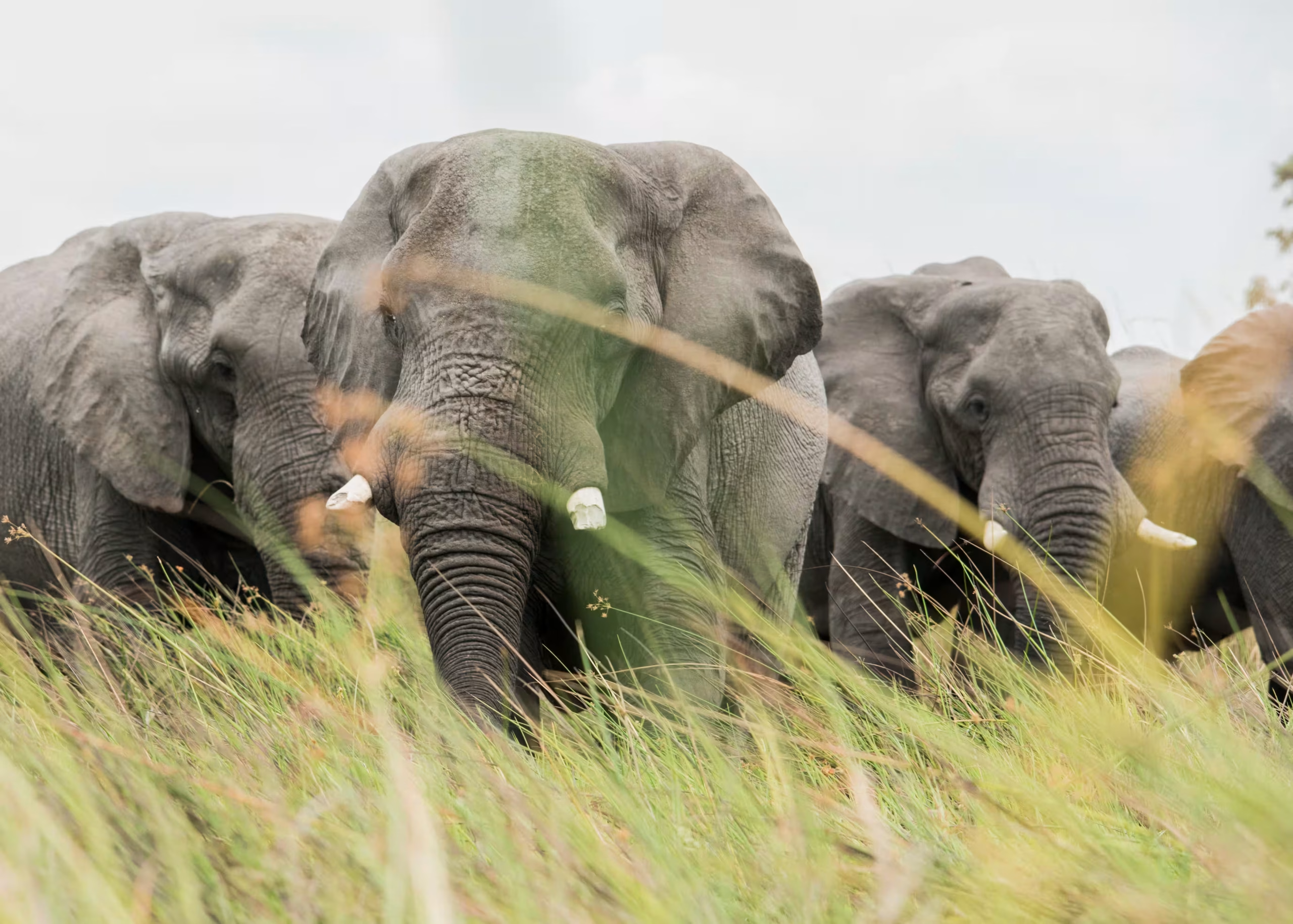
- 2Full day in Tarangire National Park, known for its elephant herds and baobabs.
- 3Transfer to the Serengeti, with a game drive en route.
- 4Full day in the Serengeti, morning and afternoon drives.
- 5Descend into the Ngorongoro Crater floor before departure.
05 Practical Planning: Visas, Health, and What to Pack
Most nationalities can arrange a Tanzania visa online before departure. A yellow fever certificate is required if you are arriving from, or have transited through, a country with risk of transmission. Malaria prophylaxis is worth discussing with your doctor regardless of season.
Pack light, neutral colours, layers for cold early mornings that warm up fast, a wide brimmed hat, and a good pair of binoculars. We send every guest a tailored packing list once dates are confirmed.
Connectivity is better than most first time visitors expect. Most camps offer WiFi in communal areas, and Tanzanian SIM cards are inexpensive and easy to arrange on arrival if you want data in the vehicle. US dollars are widely accepted for tourism services, though it is worth carrying some smaller bills, as change is not always available for larger notes.
06 Money, Tipping & Local Customs
Tipping is customary and appreciated, though never obligatory. As a general guide, guests tip guides around $15 to $20 per day and camp staff a shared amount of $10 to $15 per day, adjusted for group size and length of stay. Many camps keep a communal tip box for staff, which we can explain in more detail once your itinerary is confirmed.
Swahili greetings go a long way. A simple “Jambo” or “Habari” when you arrive at camp is always well received, and most guides are happy to teach you a few more words over the course of the trip. Dress at camps is relaxed, but modest clothing is appreciated in towns and villages you pass through en route.
07 Questions We Get Asked Every Day
Ready to Start Planning?
Tell us when you want to travel, who is coming, and what matters most to you. We will put together a tailored itinerary with transparent, all-in pricing.
Prefer to talk first? Reach us at info@gapiafricasafaris.com or WhatsApp. Our team is based in Arusha and usually replies the same day.
Get the best of Tanzania in your inbox
Migration timing, packing guides, honest camp reviews, and stories from the field.