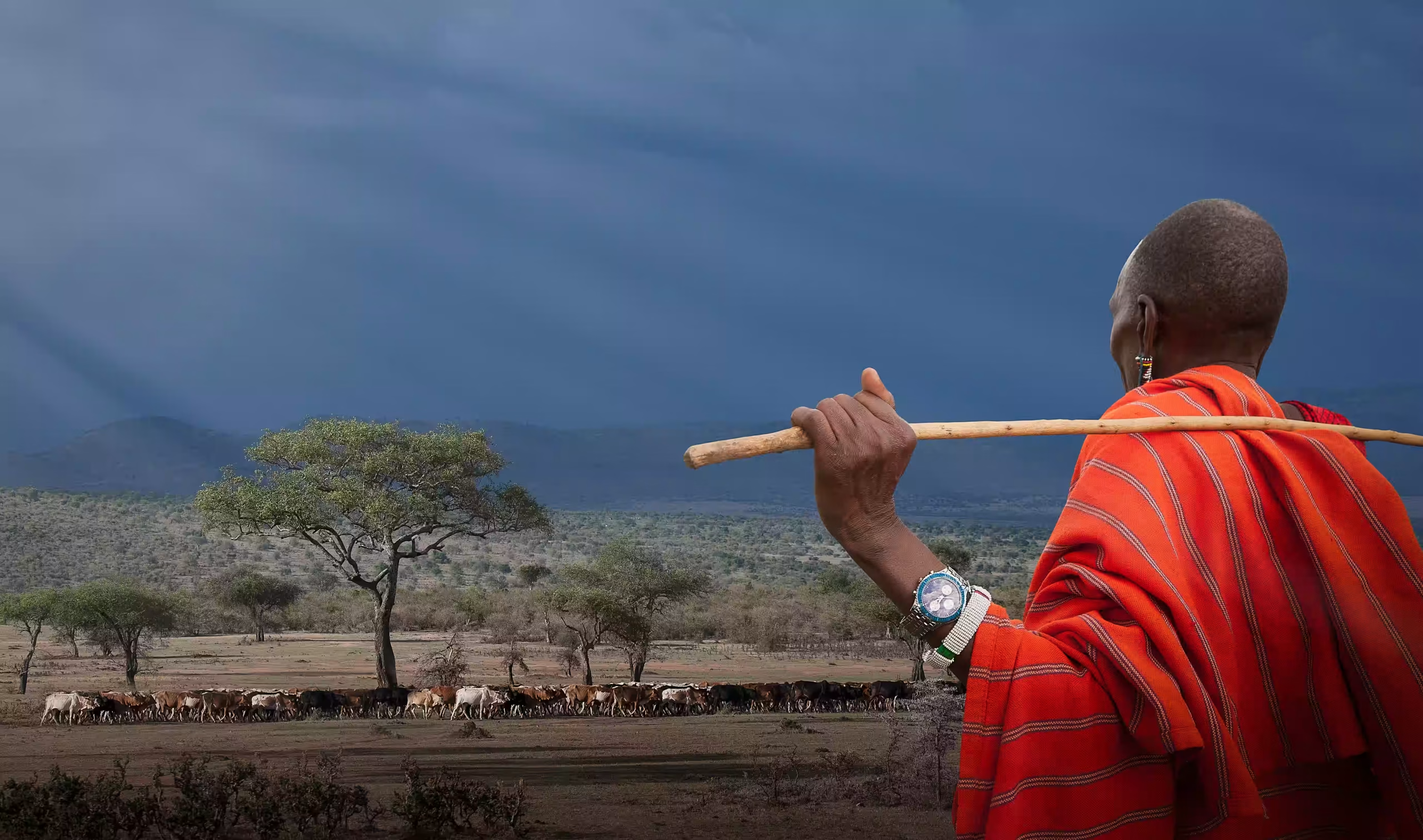
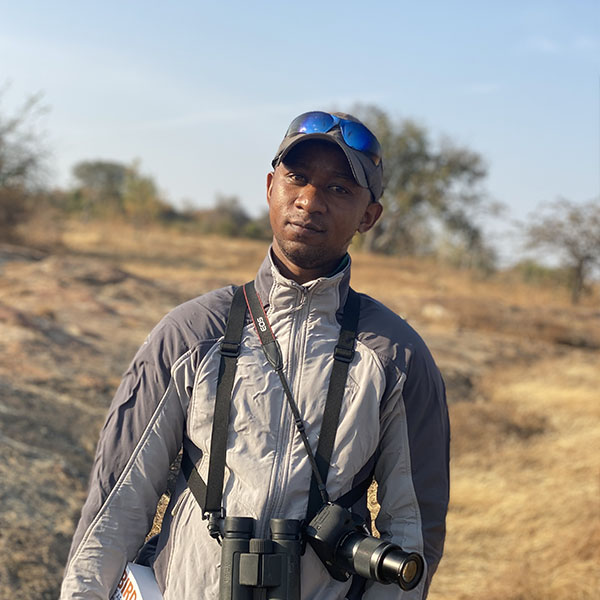
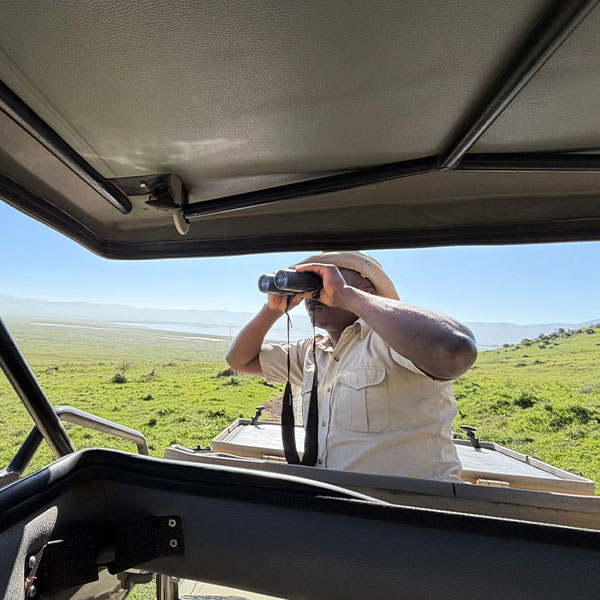
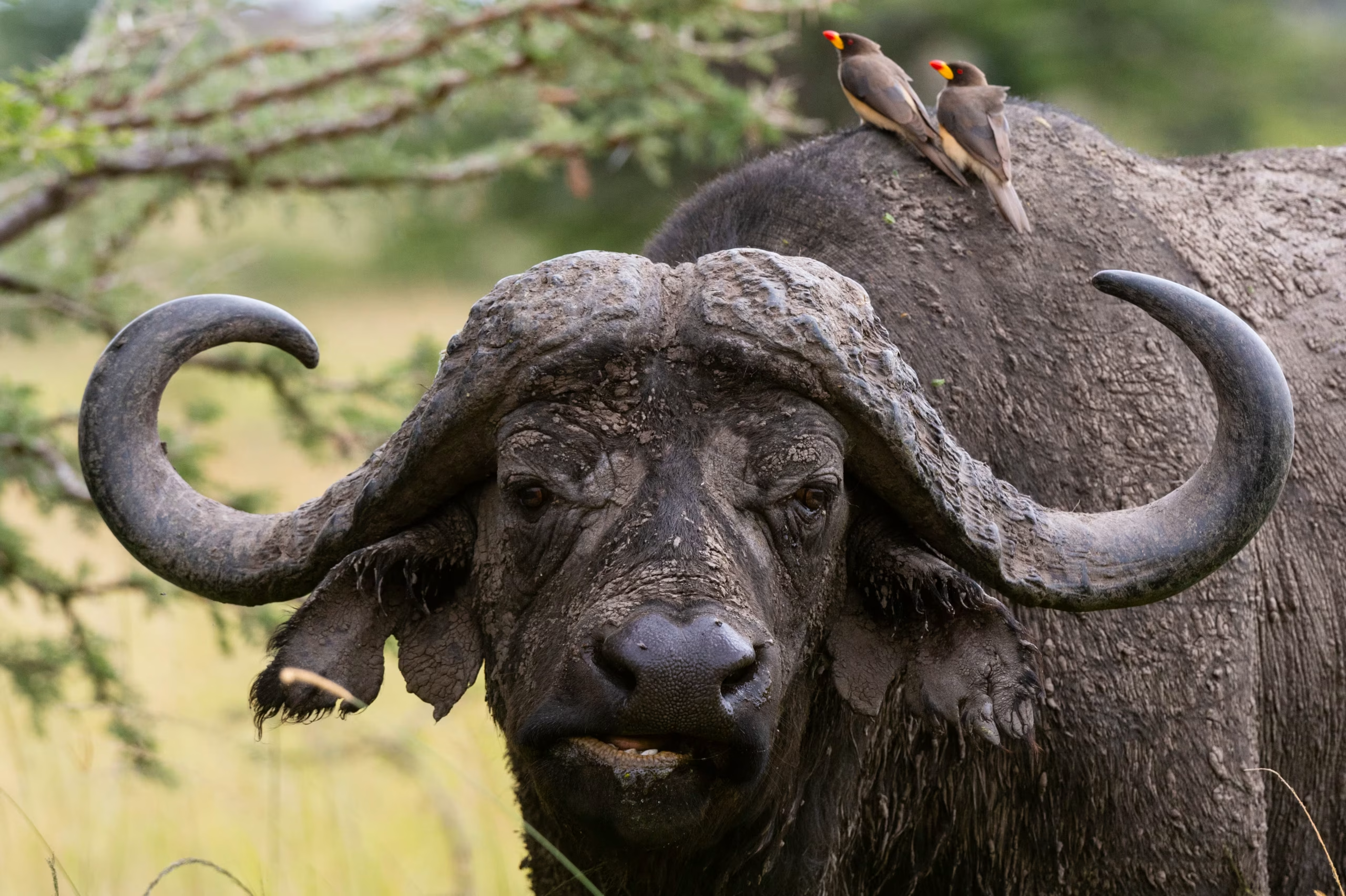
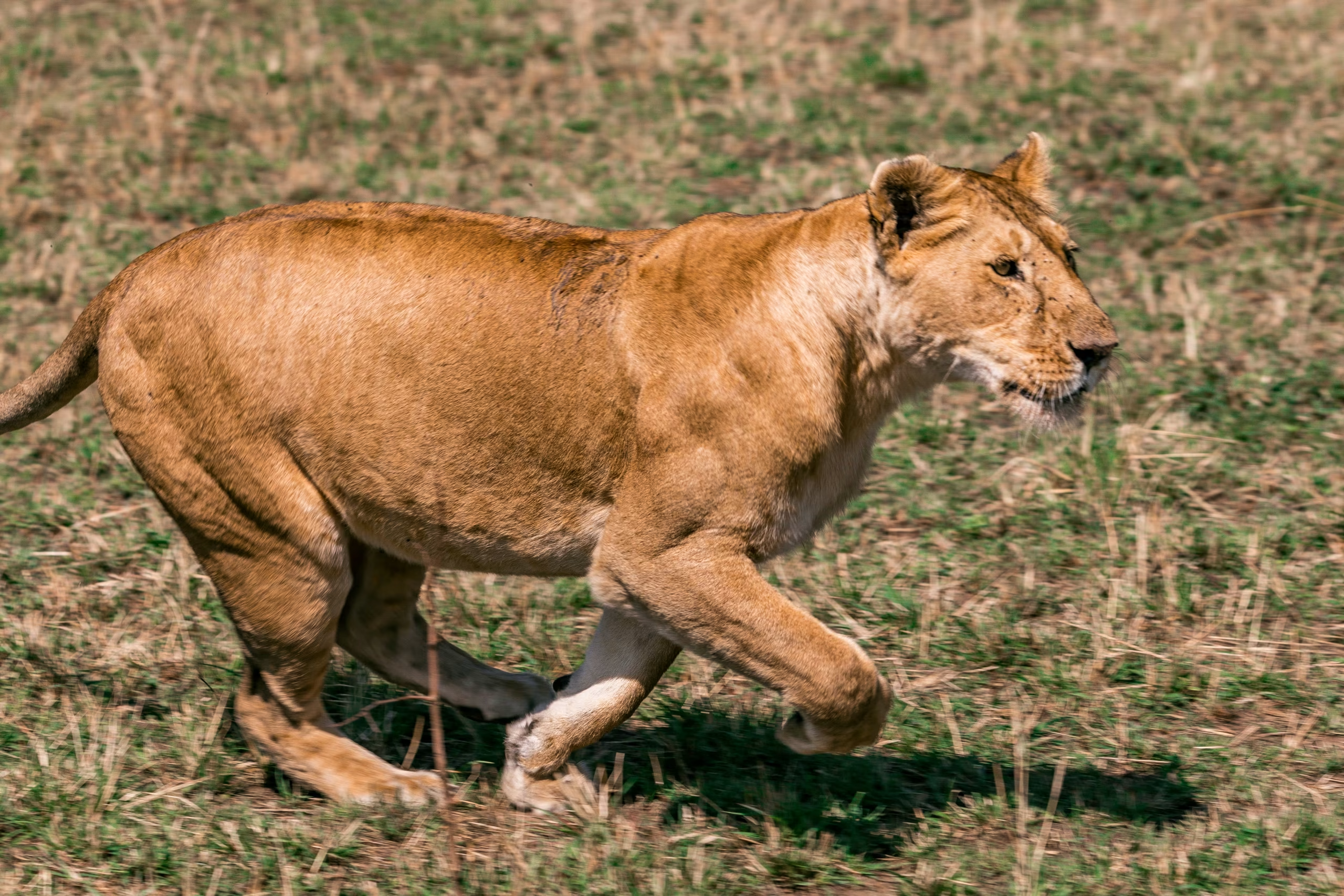
38% of Tanzania's land is under conservation protection — more than any other African country. The Northern Circuit alone covers an area larger than Switzerland. GAPI operates across all of them.


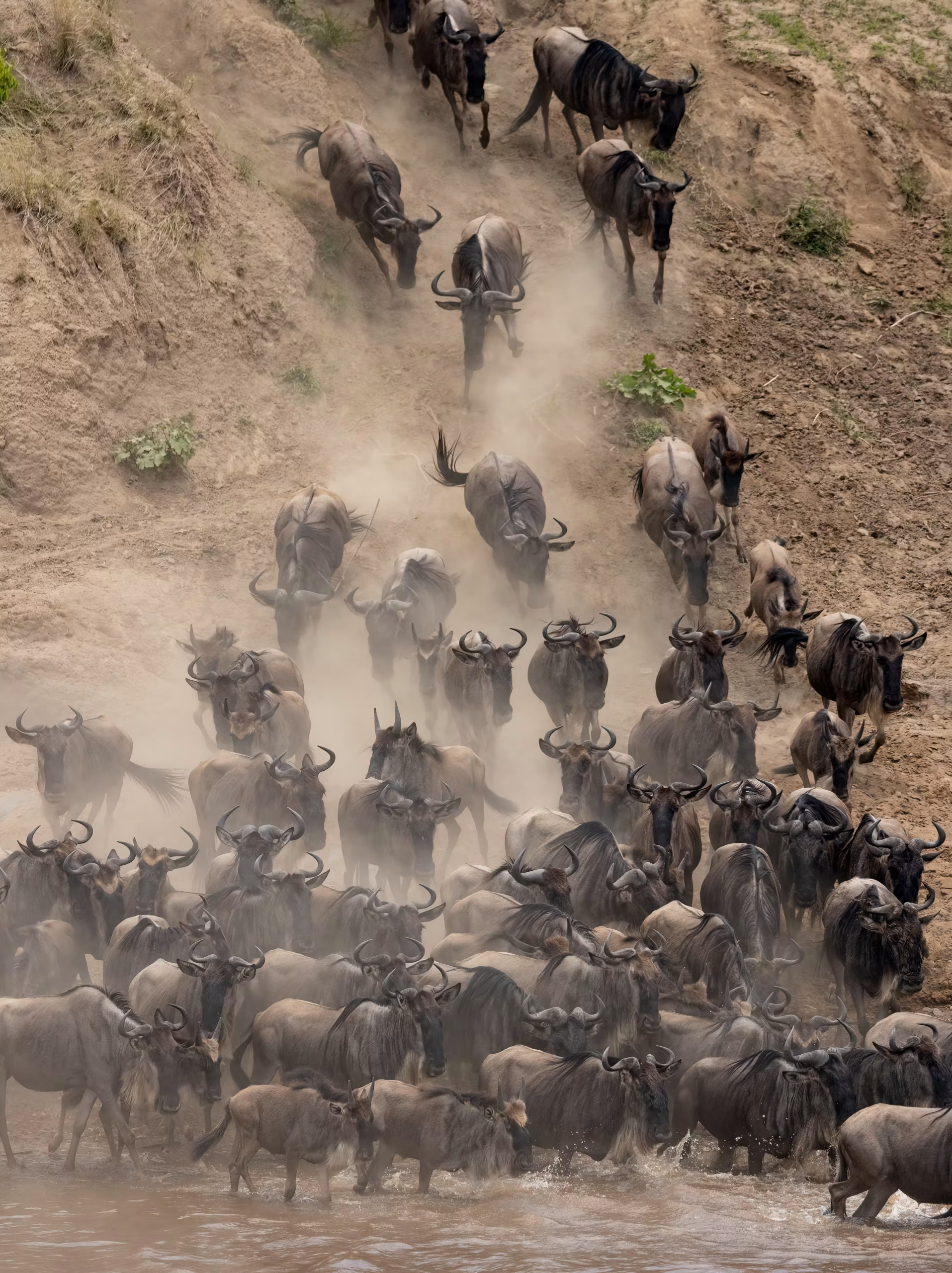
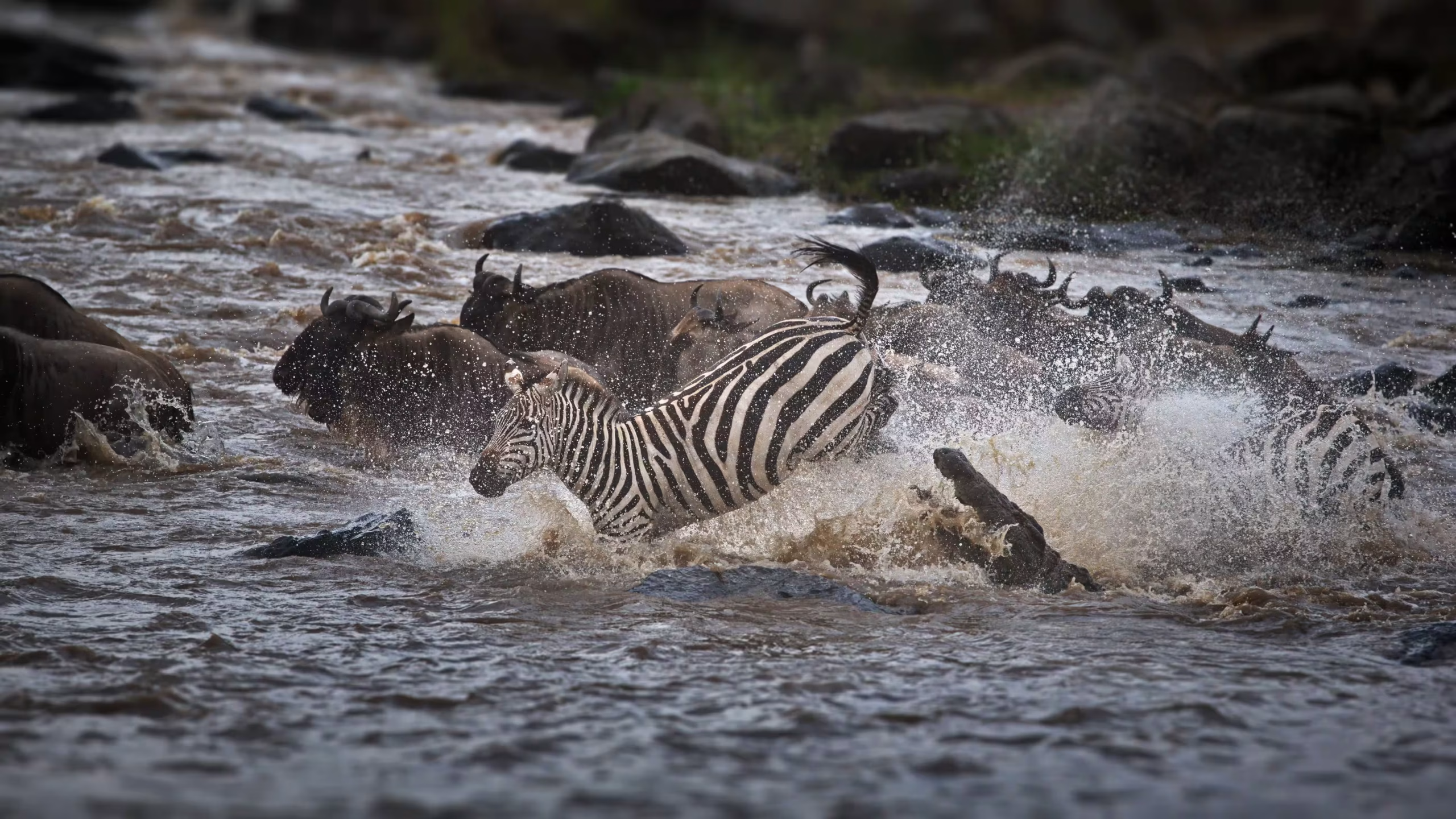
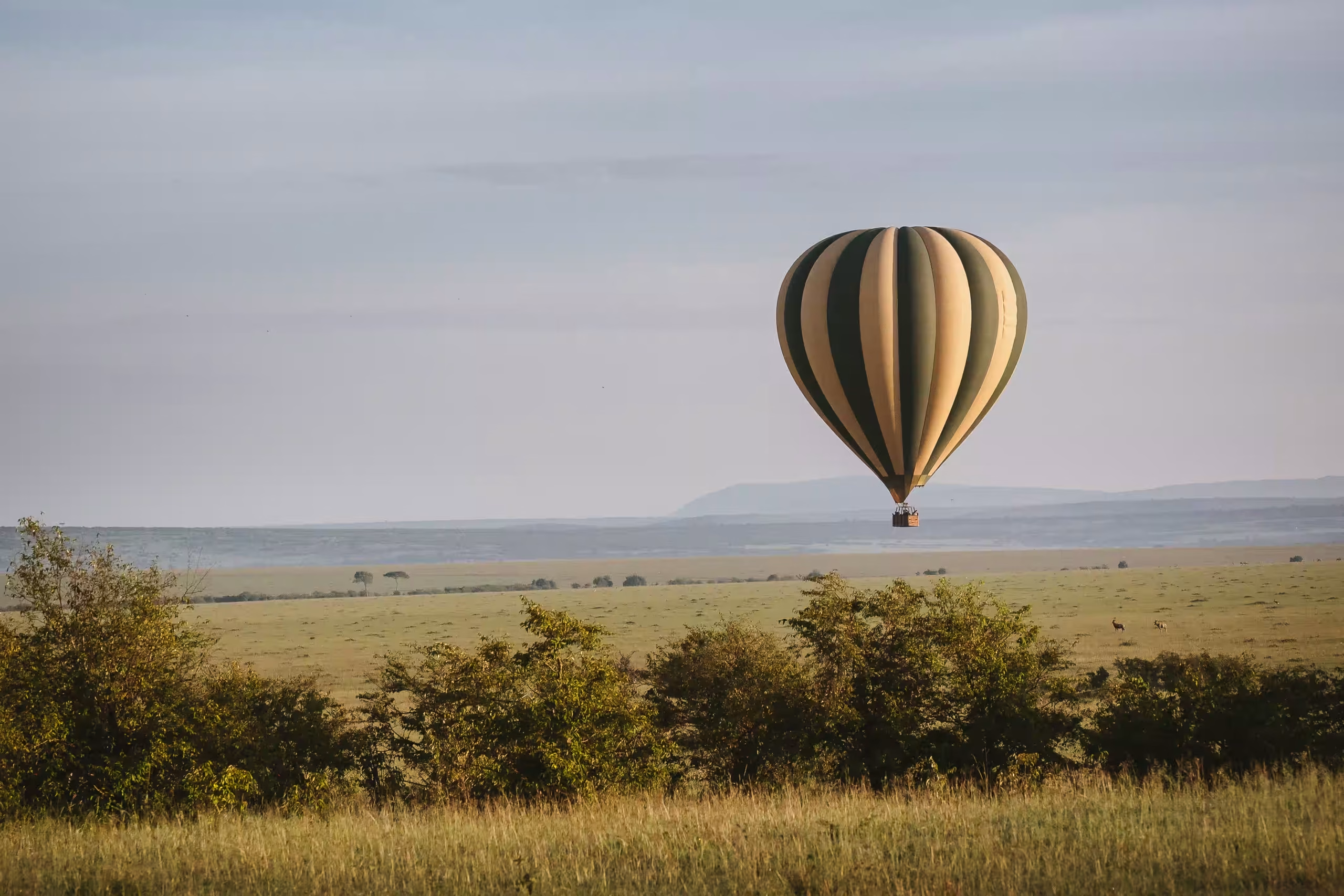
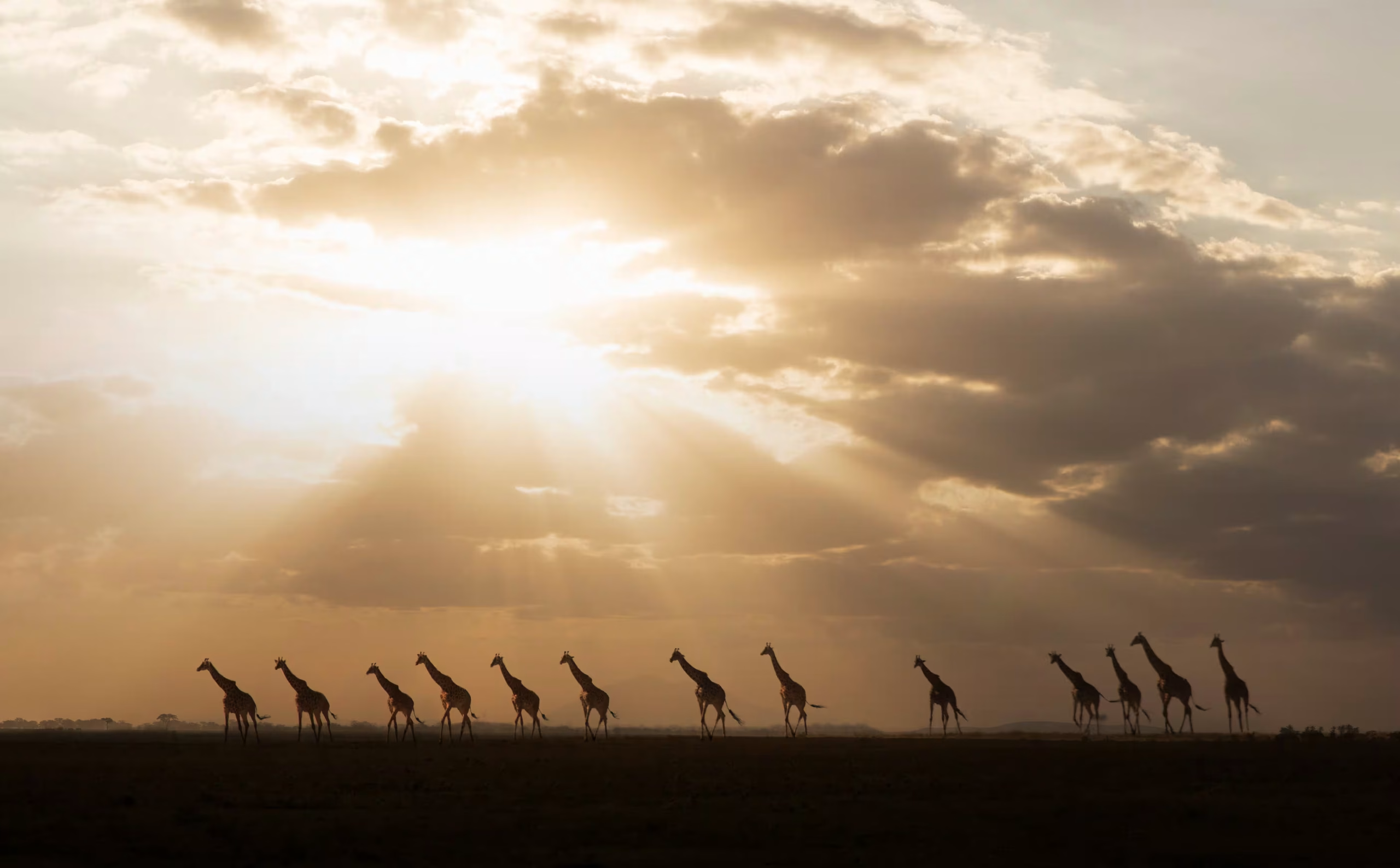
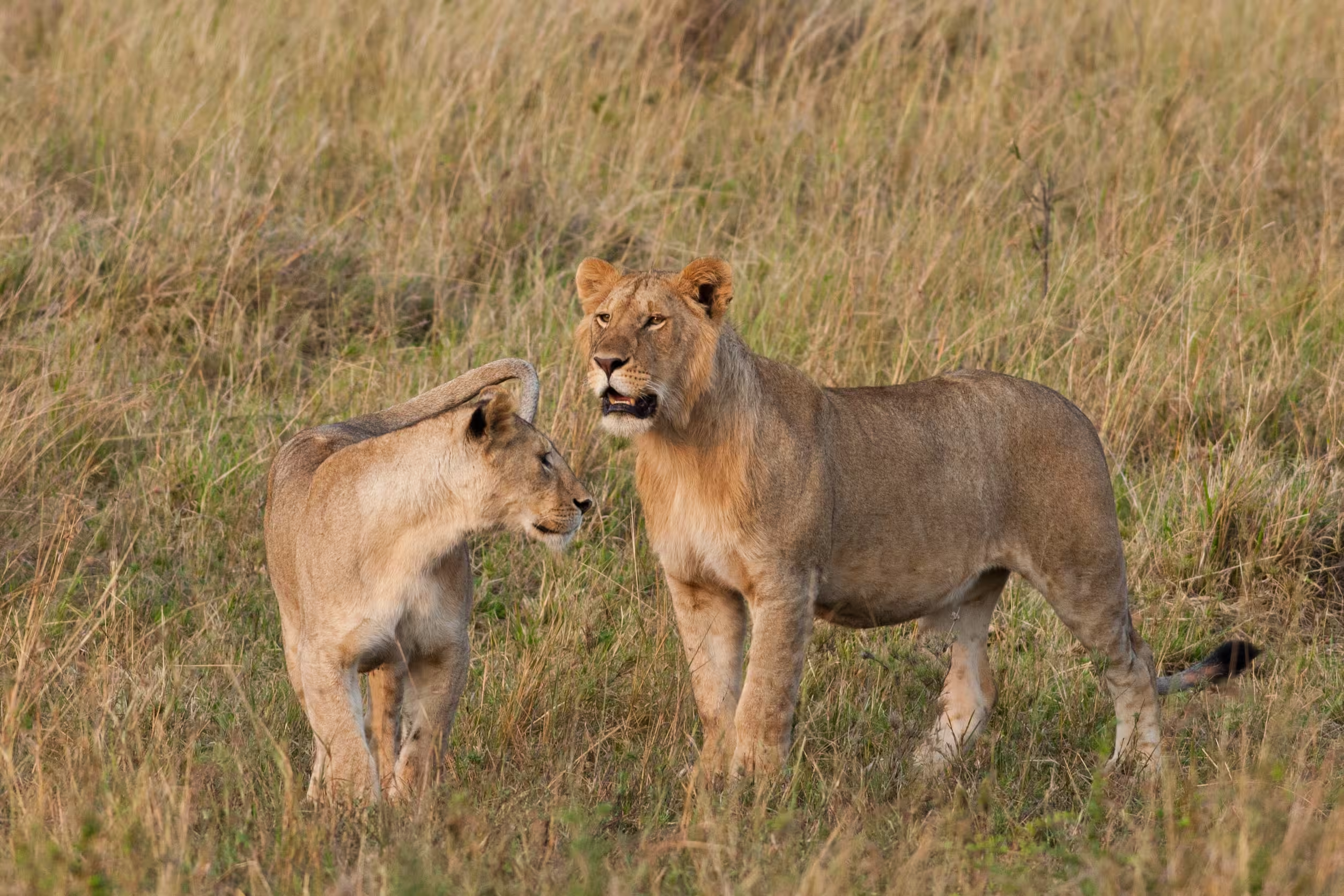
The largest intact savanna ecosystem on earth. The Great Migration moves continuously: south to north June–October, north to south November–May. 1.5 million wildebeest, 500,000 zebra, and 250,000 gazelle. GAPI's mobile camp is inside the park, repositioned monthly to follow the migration.
The largest intact volcanic caldera on earth. Walls rise 600m above the floor. Permanent resident population of 30,000 animals including Africa's highest density of black rhinoceros. GAPI's crater rim camp enables the 4:45am dawn descent — 90 minutes before standard gate opening.
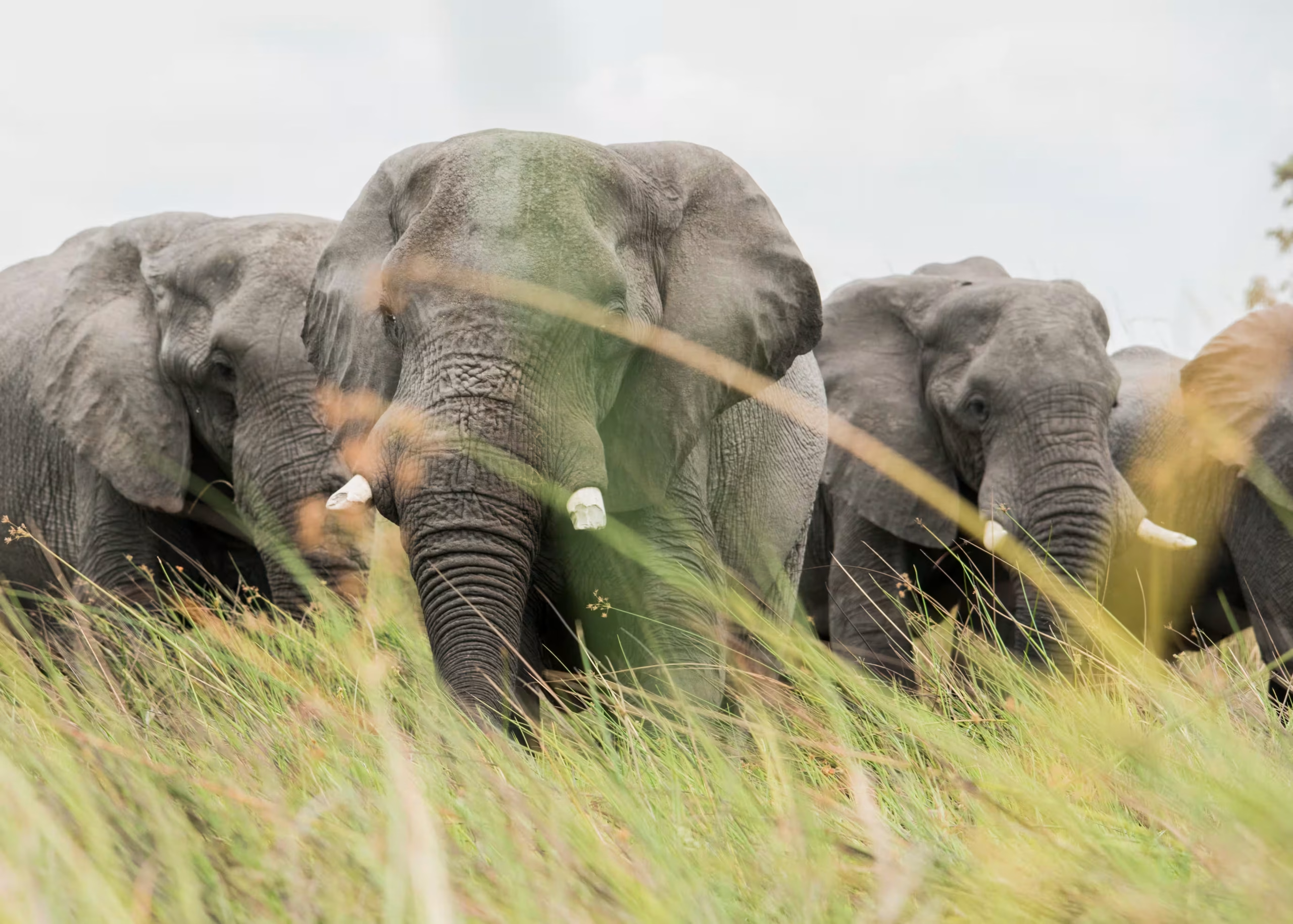
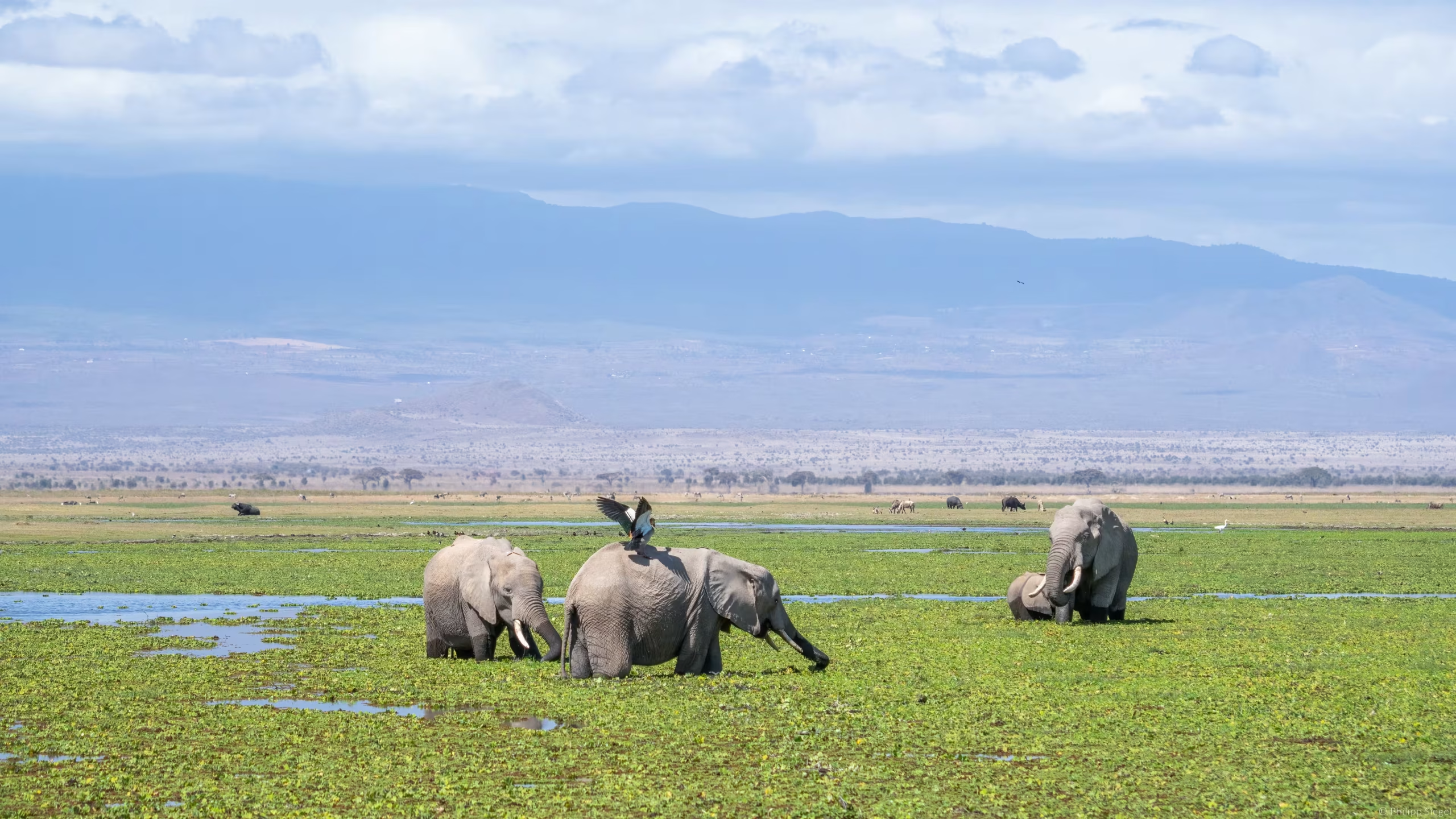
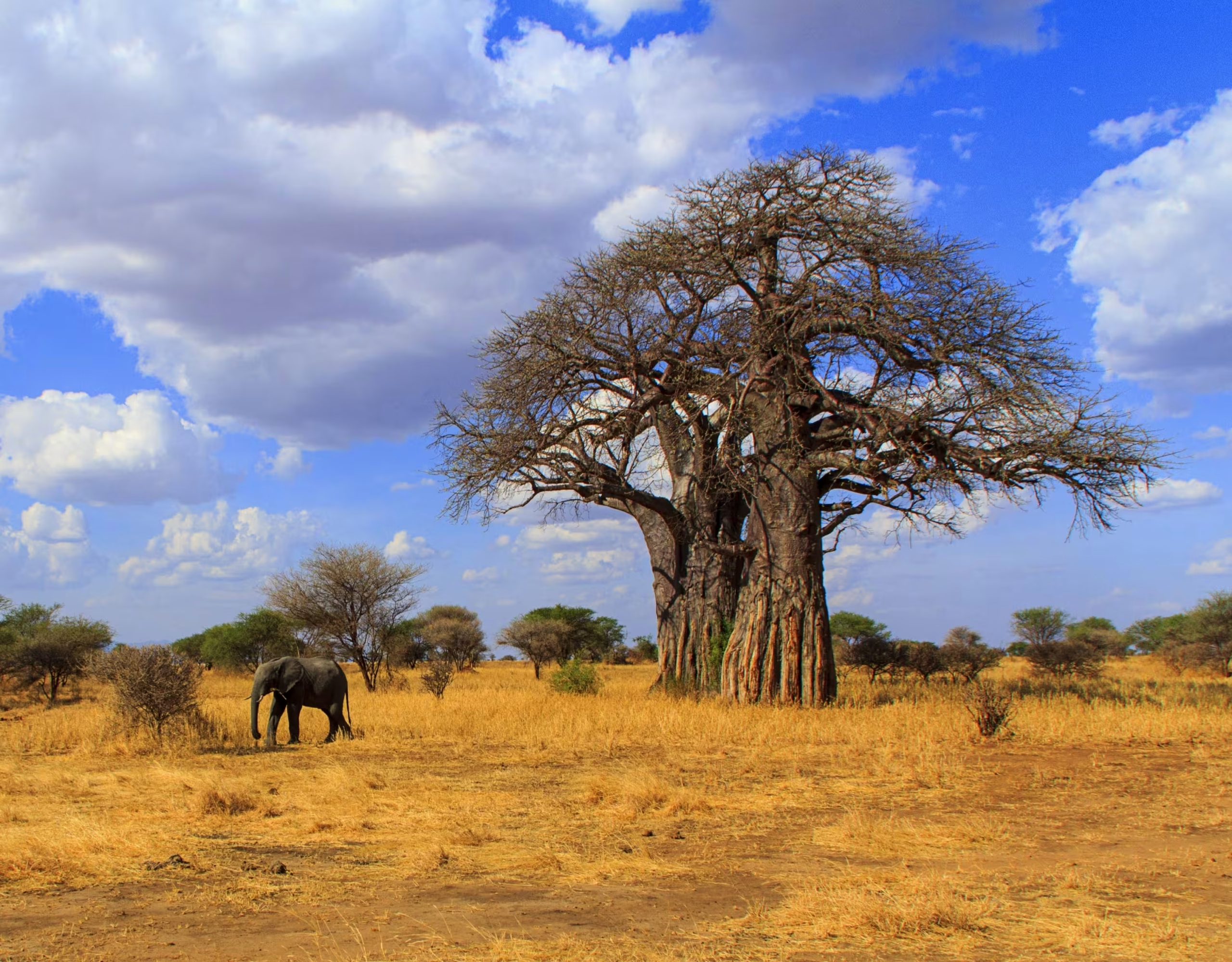
In the dry season the Tarangire River is the only permanent water source in the area. Elephant herds of 100–300 at the water's edge — the finest elephant-watching in East Africa. Outside dry season, a green wet ecosystem with migratory birds and an entirely different quality of light. The most underrated park on the Northern Circuit.
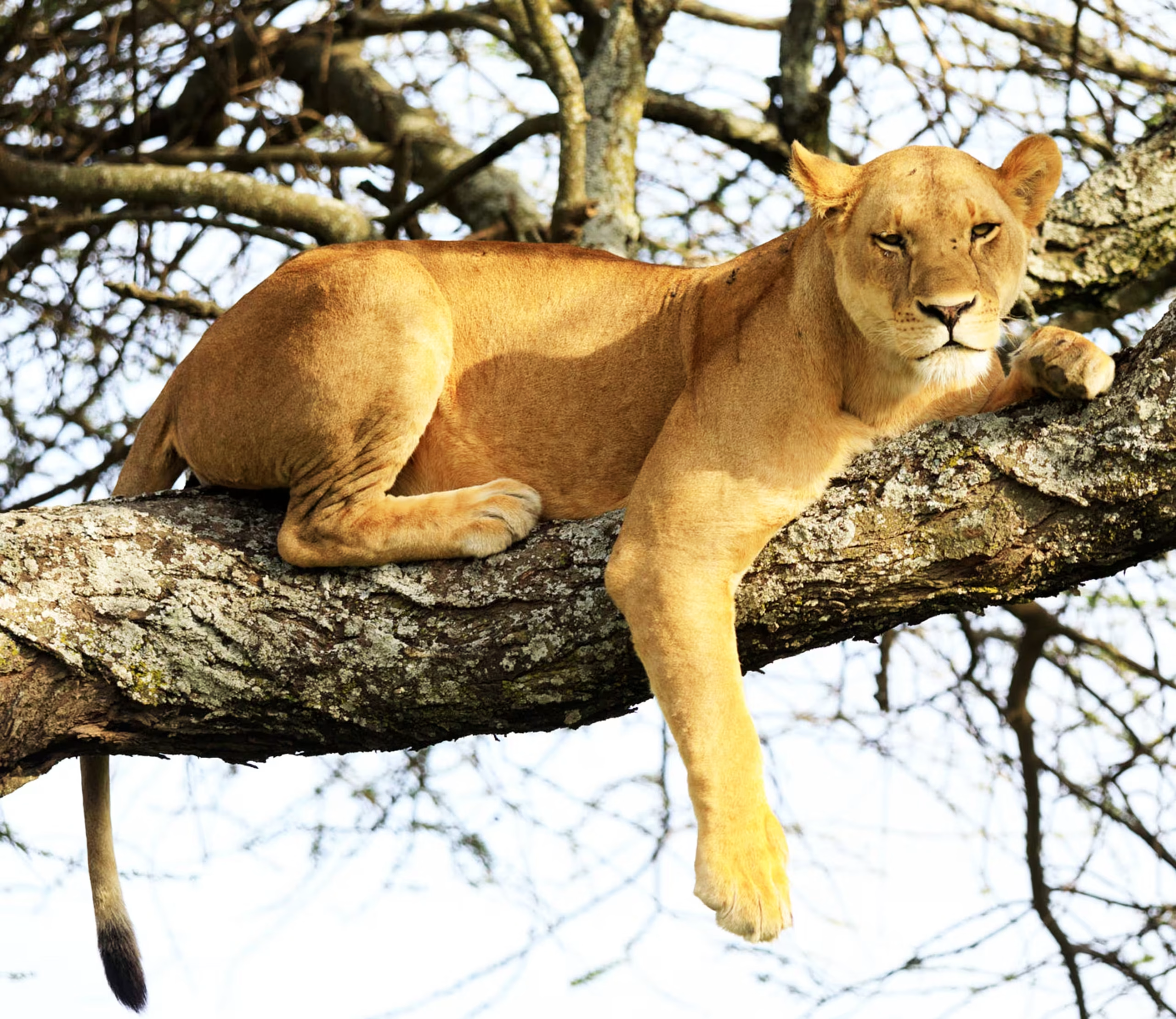
Lake Manyara sits at the base of the Great Rift Valley escarpment — a dramatic 600-metre wall of rock that forms the park's western boundary. The park is famous for its tree-climbing lions, observed lounging in the branches of fig and mahogany trees six metres above the ground. The groundwater forest at the northern entrance contains elephant, blue monkey, and black-and-white colobus in dense canopy habitat unlike anything else on the Northern Circuit.
The alkaline lake itself hosts seasonal flamingo populations that can number in the hundreds of thousands, turning the shoreline pink. Hippo pools along the northern boundary reliably hold forty or more hippos in a single viewing. At 325 km², Manyara is compact enough to experience comprehensively in a single day — making it an ideal addition to itineraries connecting Ngorongoro and Tarangire.
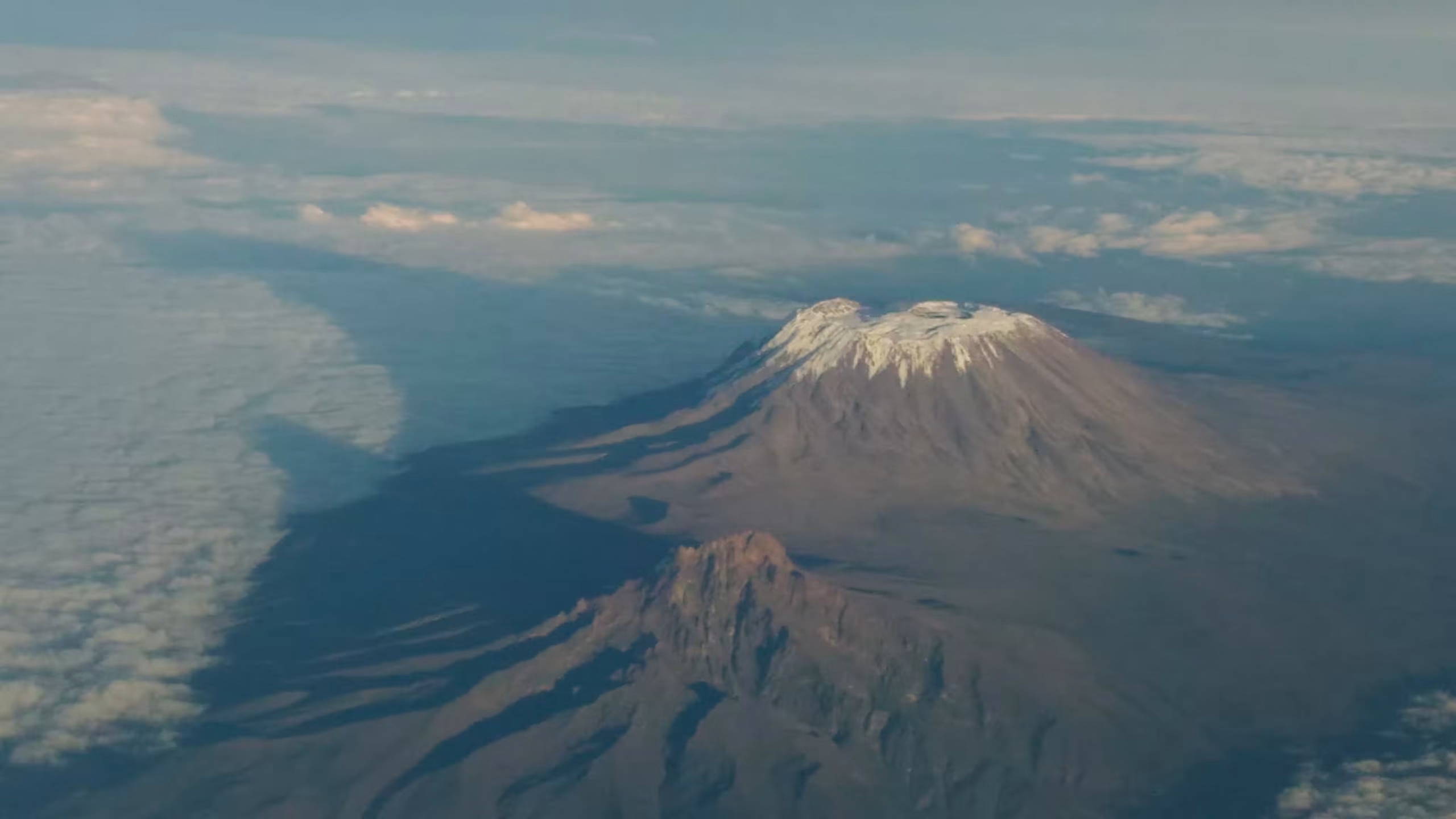
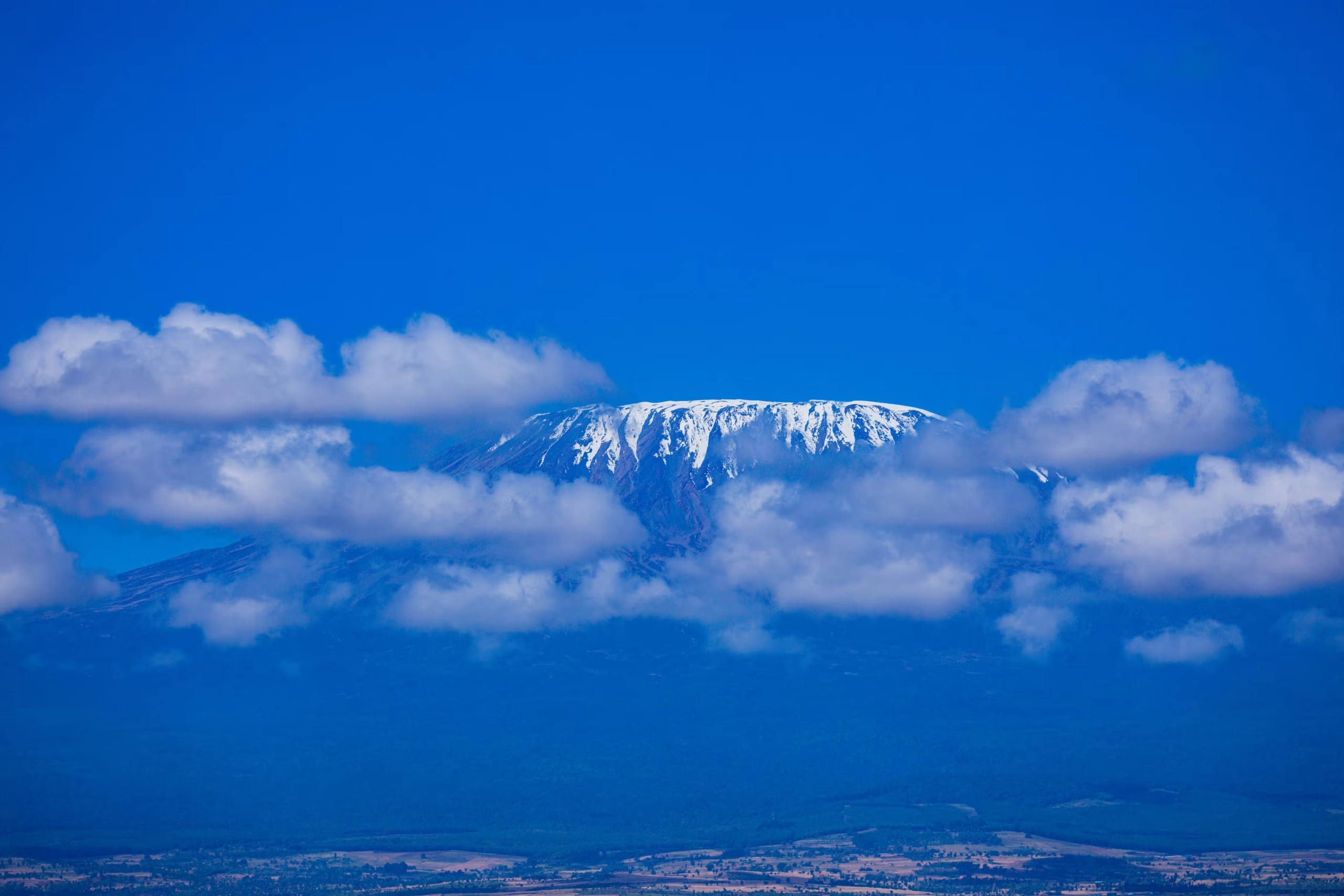
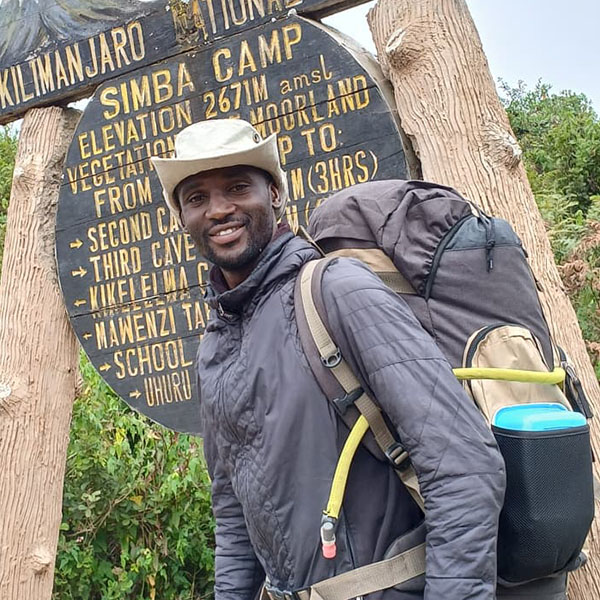
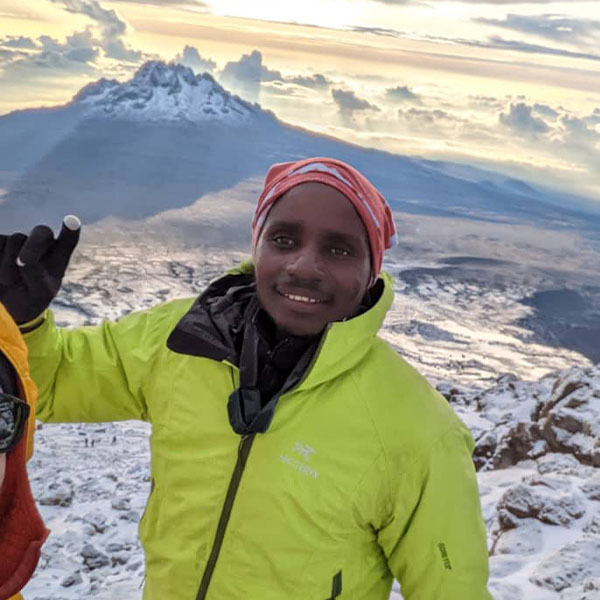
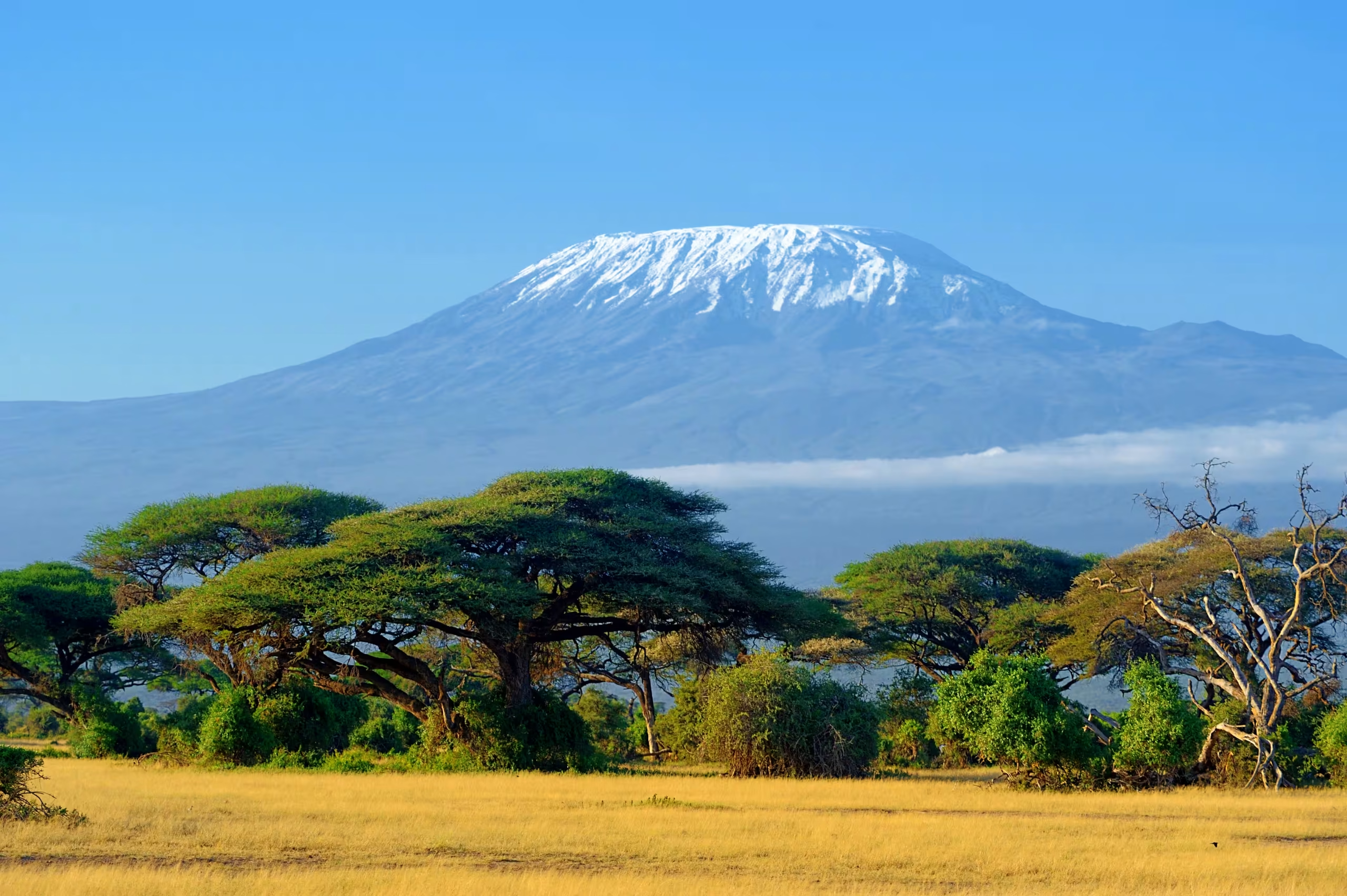
Kilimanjaro is a standalone mountain rising from the East African plateau to 5,895 metres — the highest freestanding mountain on earth. The ascent passes through five distinct ecological zones: cultivated farmland, rainforest, heath and moorland, alpine desert, and arctic summit. Each zone is a complete ecosystem. Richard Mbuya, GAPI's mountain guide with over 200 summits, leads all Kilimanjaro expeditions personally.
GAPI recommends the Lemosho Route (7–8 days) for the optimal combination of summit success, scenery, and acclimatisation. GAPI's Lemosho summit rate is 91% — compared to the industry average of 65%. For experienced trekkers, the Umbwe Route offers a more direct and challenging ascent. Most clients combine Kilimanjaro with a Northern Circuit safari, typically completing the climb first and recovering on game drives afterward.
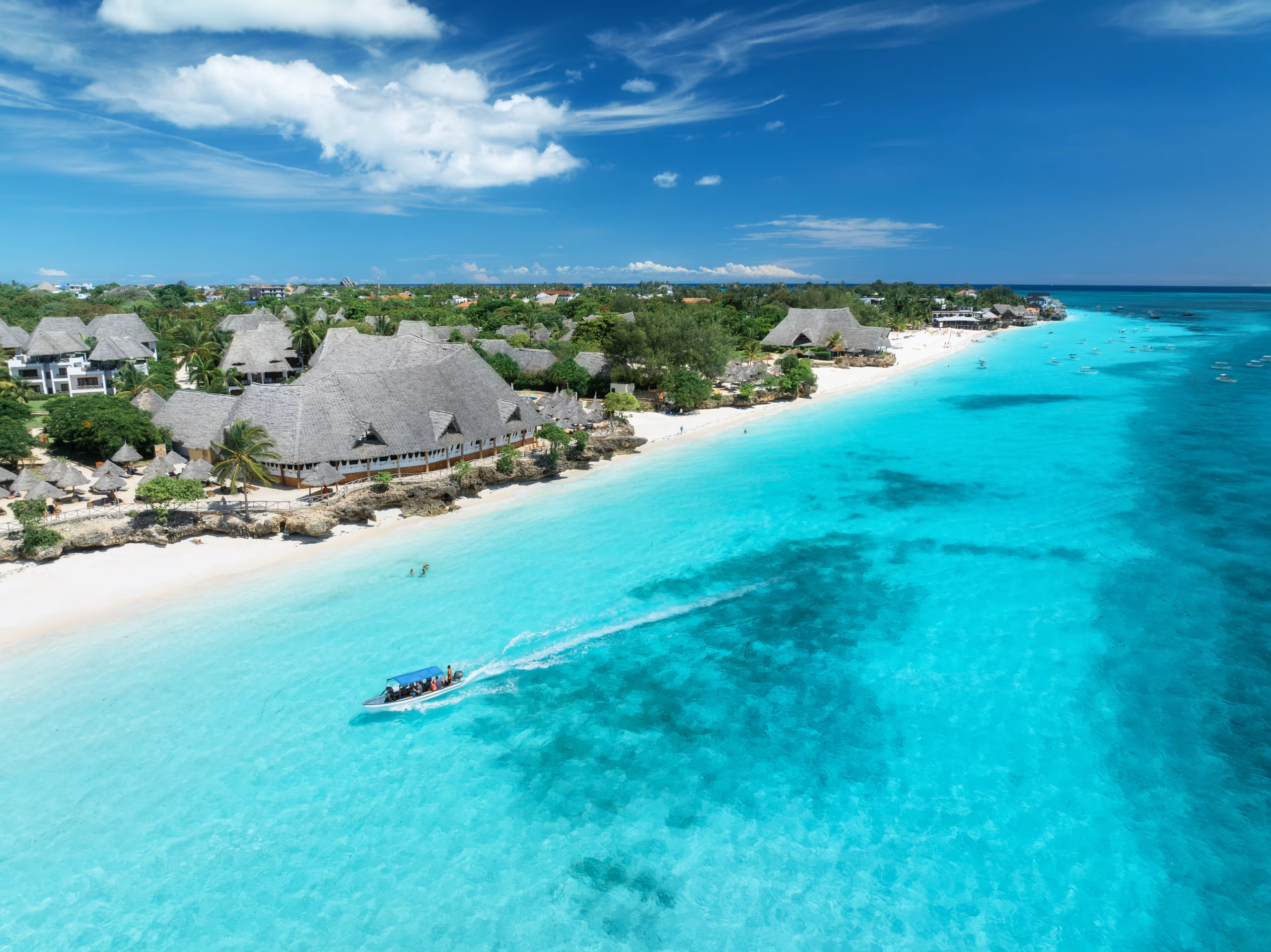
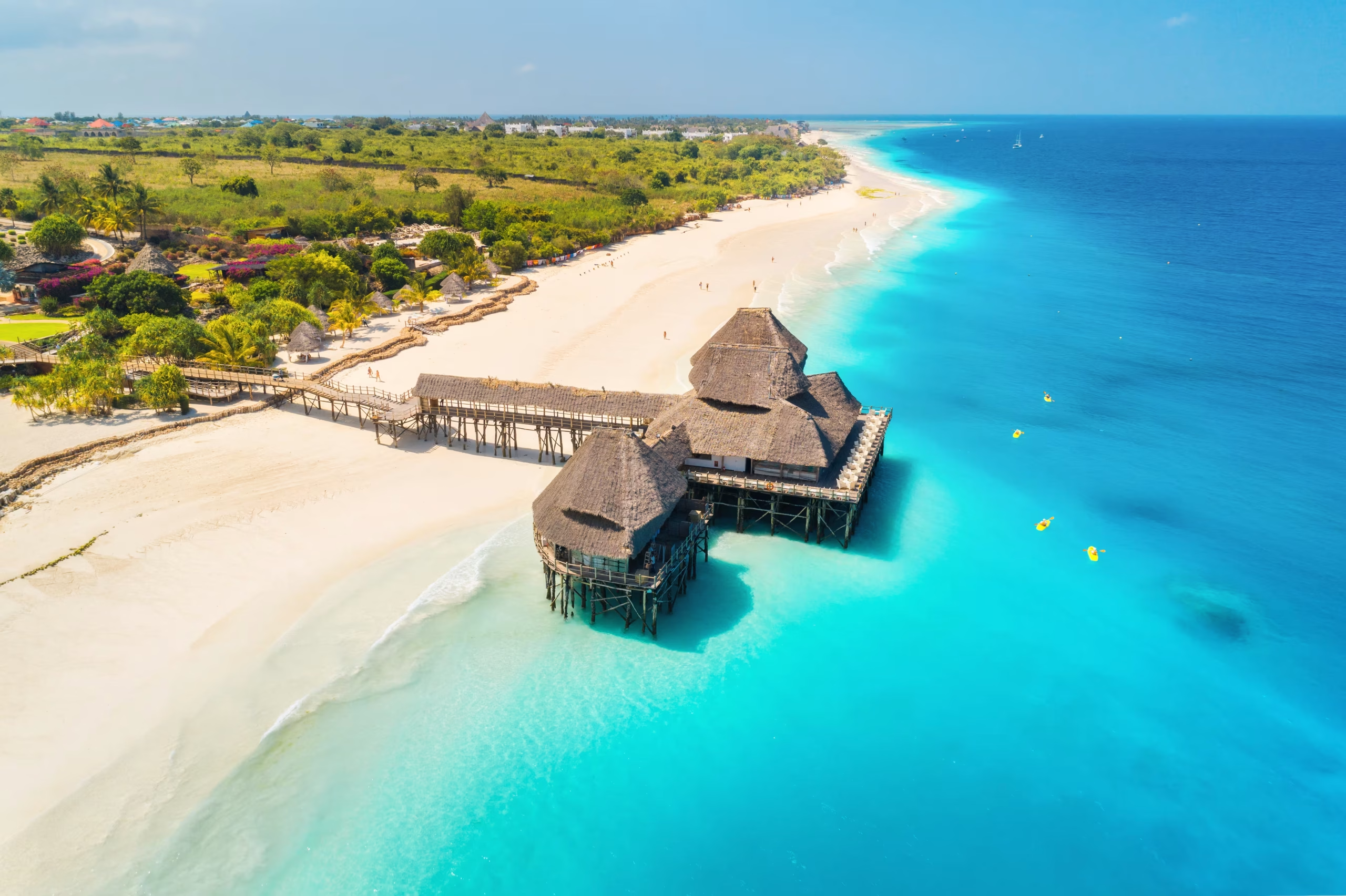
Zanzibar is the natural final chapter of any GAPI expedition — the place where the intensity of the bush gives way to the stillness of the Indian Ocean. The north coast offers white sand beaches, private villas, and some of the finest reef diving in East Africa at Mnemba Atoll. Stone Town, a UNESCO World Heritage Site, is 500 years of Swahili, Arab, Persian, and European architecture compressed into a walkable historic quarter.
GAPI arranges the charter flight directly from the Serengeti to Zanzibar — approximately 90 minutes, bypassing Arusha entirely. We partner with select private villas and boutique properties on the north coast and on Pemba Island for clients who want maximum seclusion. Dhow sailing at sunset, spice plantation tours, and reef snorkelling are arranged through our Zanzibar partner office.
Each park rewards repeated visits. The GAPI comprehensive itinerary covers all six. Tell us how much time you have.