
Gapi Africa Safaris

Ngorongoro Crater
Home/Destinations/Ngorongoro
Ngorongoro Crater · UNESCO World Heritage

The World
in a Crater.

25,000 animals. Big Five guaranteed. GAPI holds private dawn access — 90 minutes before any other vehicle enters the gate.

260km² 25,000animals 4:45amentry ~100black rhino
25,000
Resident Animals
4:45am
GAPI Entry
~100
Black Rhino
260 km²
Caldera
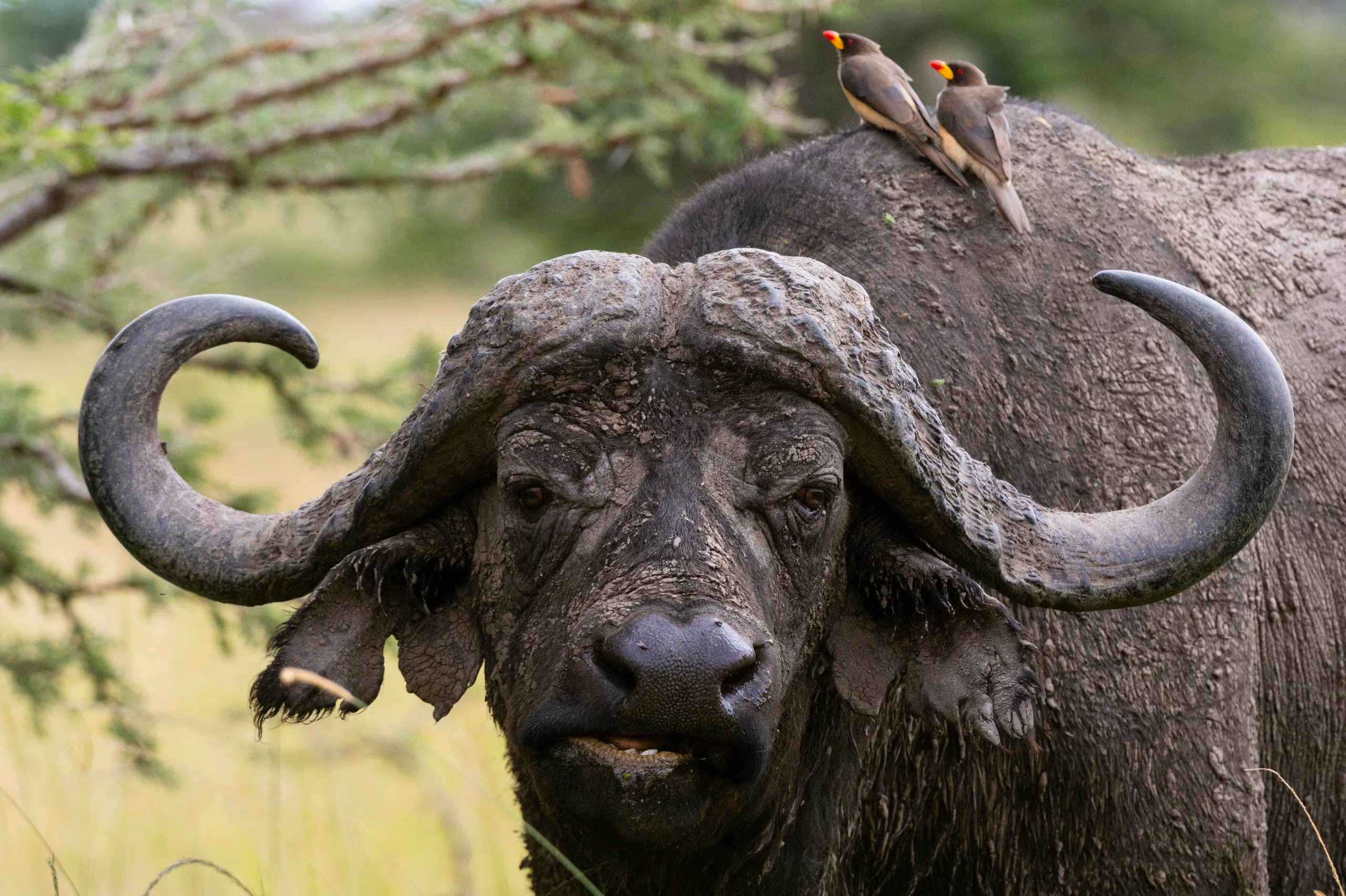
Buffalo · Crater Floor at Dawn
GAPI enters the crater at 4:45am
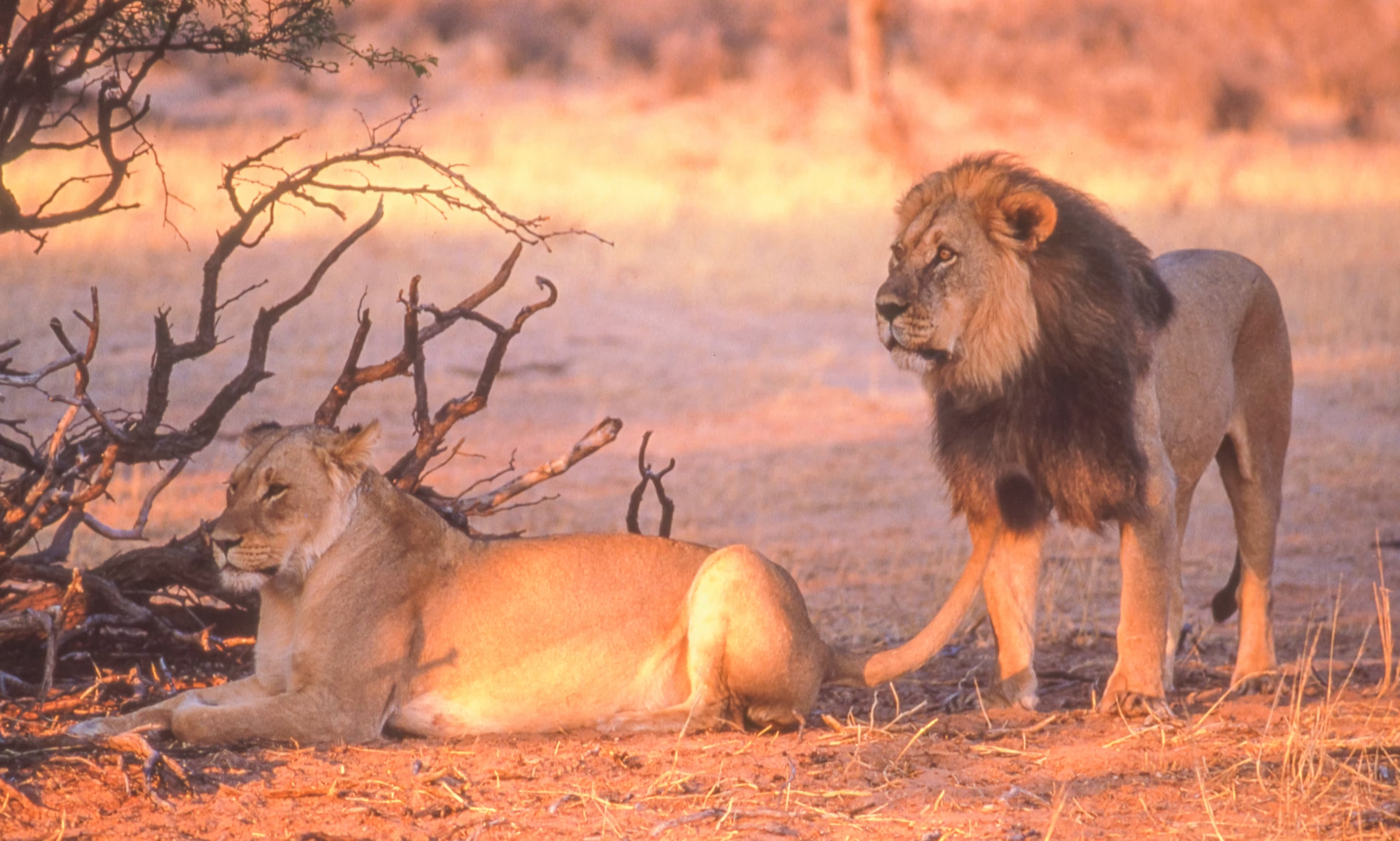
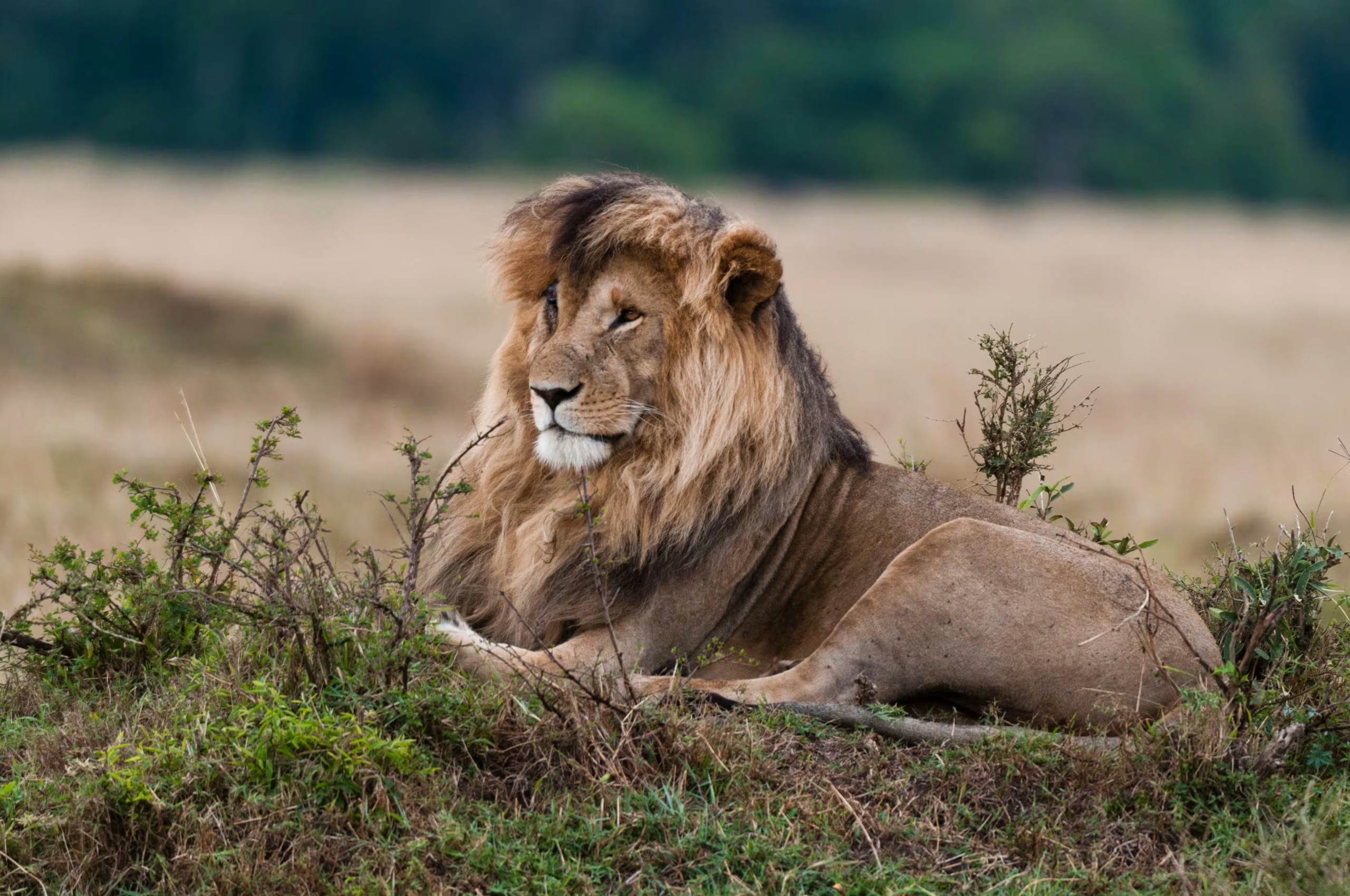
Lioness · Ngorongoro
60–65 lions, genetically distinct from Serengeti
Crater Rim · Sunrise
The view from 2,286m before descending
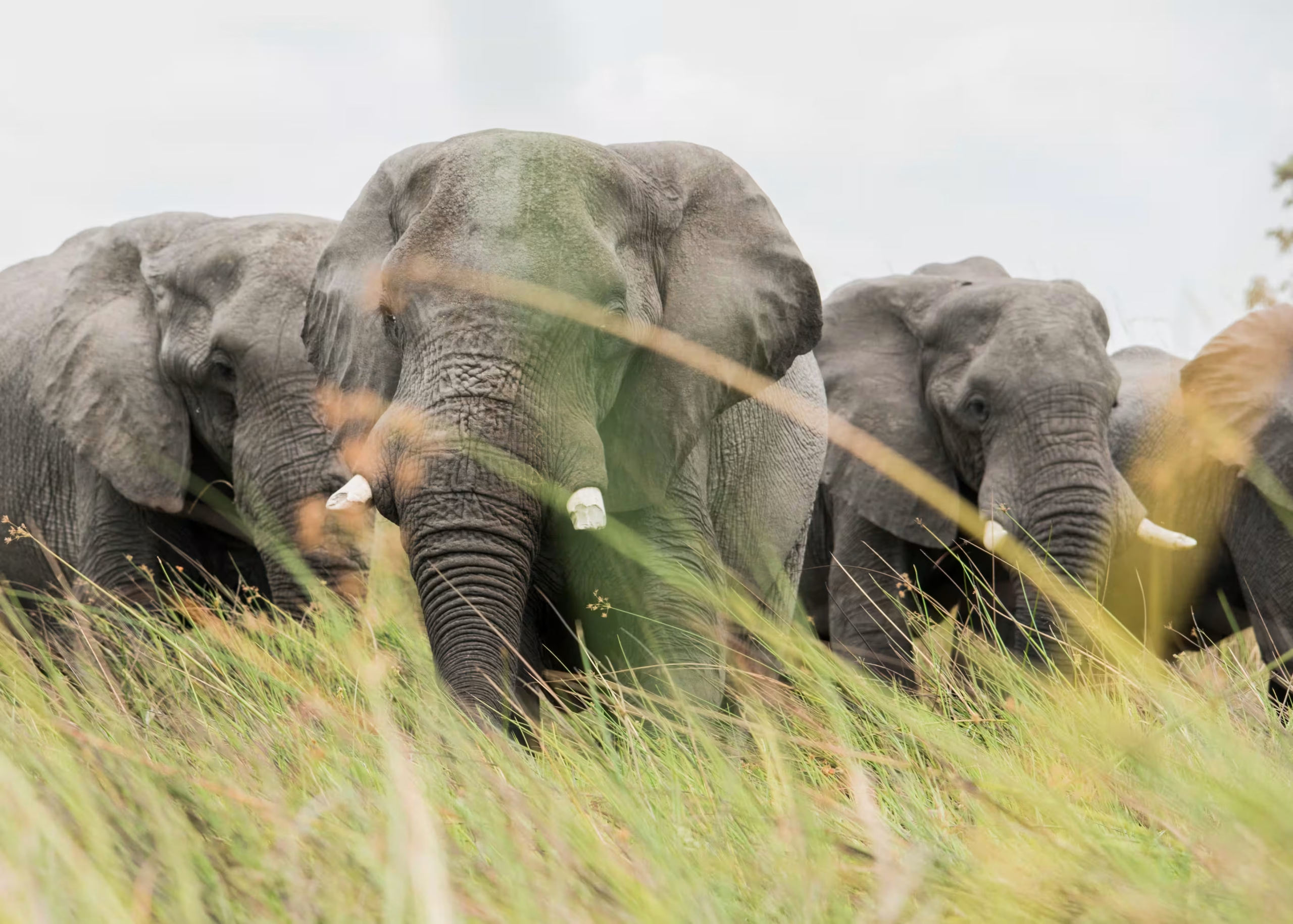
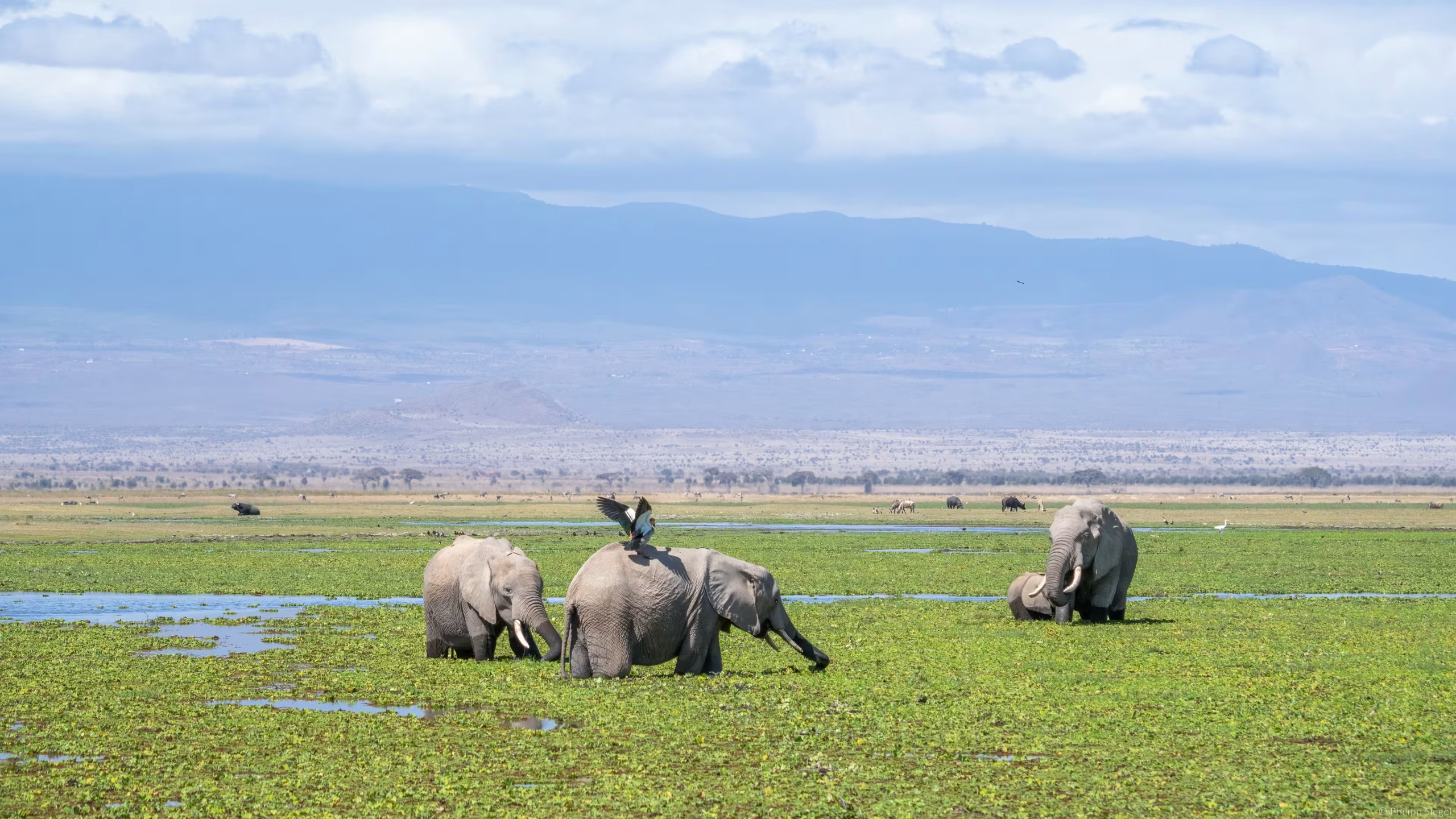
Bull Elephant
Bull Elephant · Crater Floor
Resident old bulls — extraordinary photographic subjects
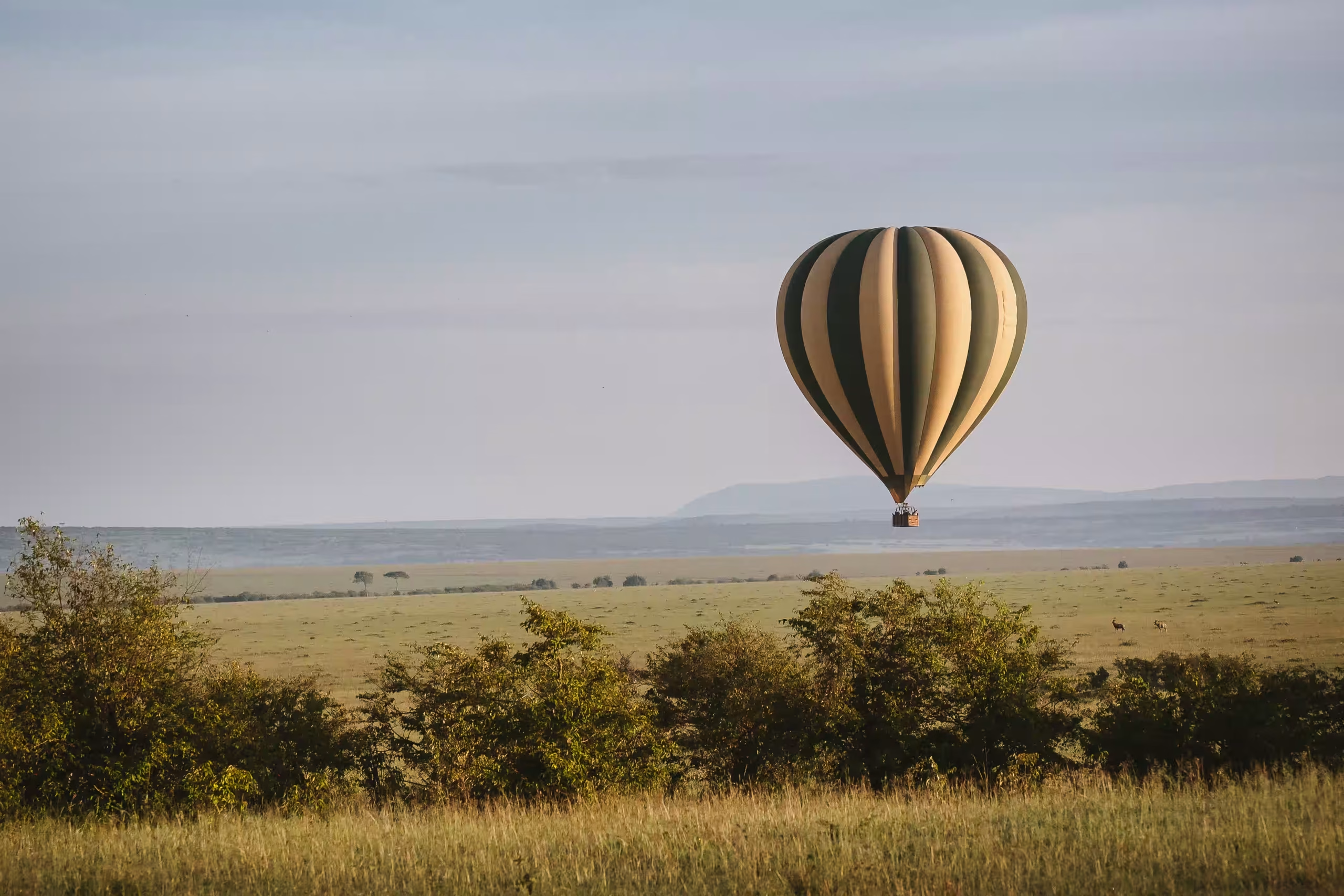
Crater Floor · Morning Light
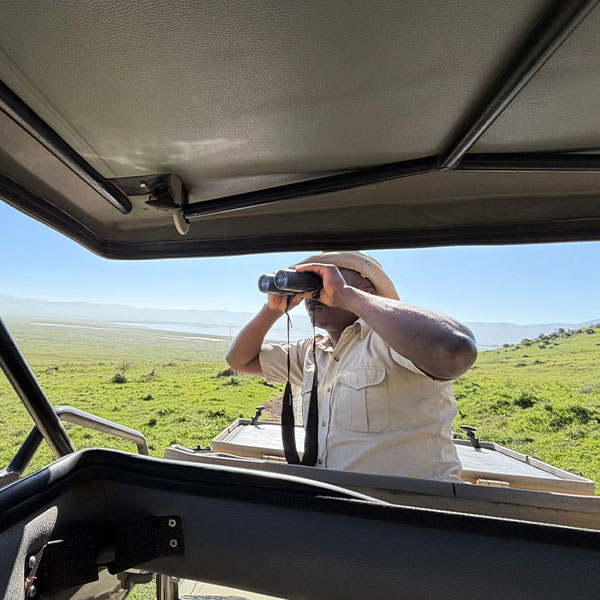
Sole-use vehicle, 90 minutes before any other guest
Ngorongoro Crater · UNESCO World Heritage

Twenty-five thousand animals. Nowhere to go.

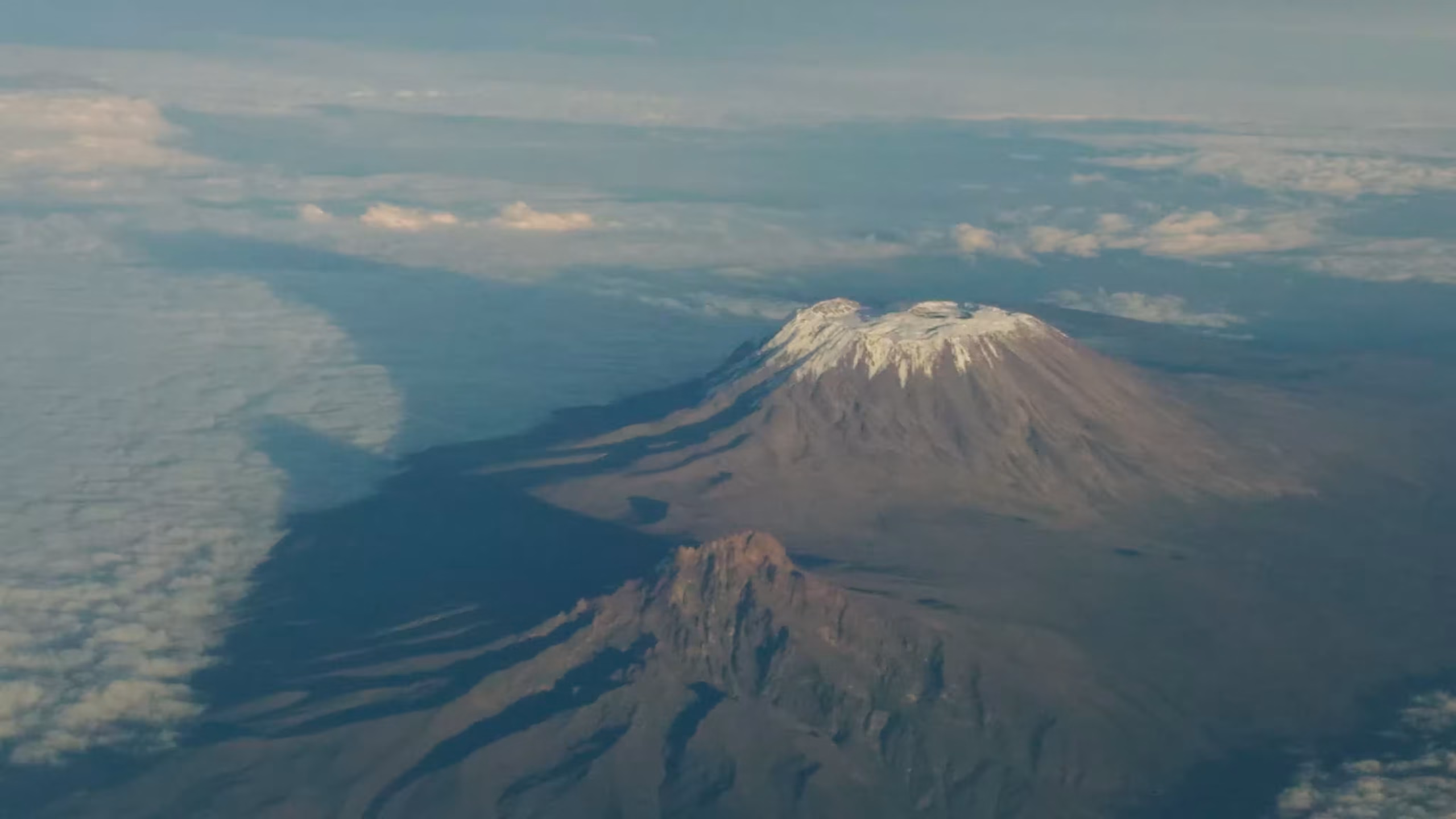
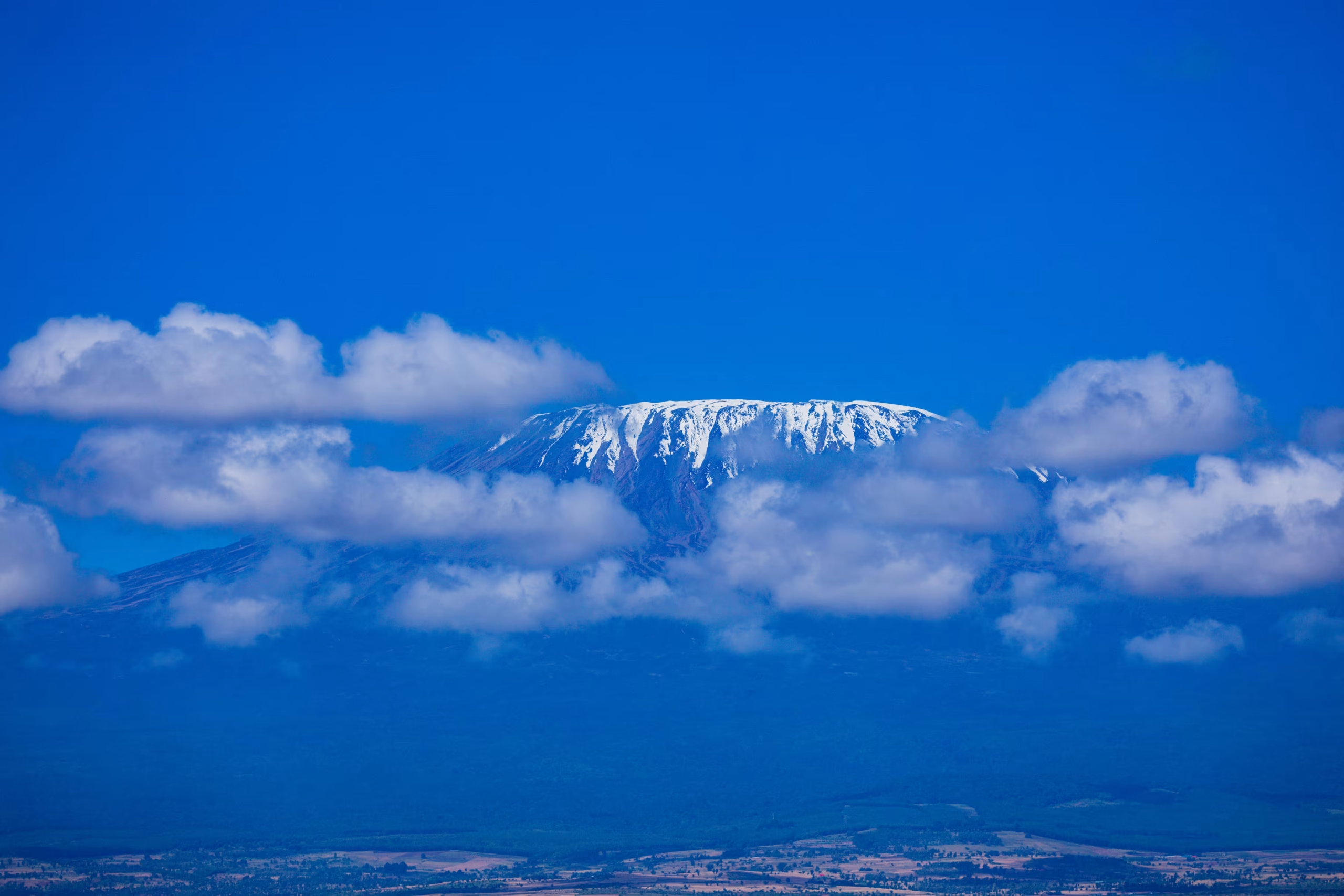
Ngorongoro is technically a caldera — the collapsed remnant of a volcano that was as tall as Kilimanjaro. The collapse created a natural enclosure 260 square kilometres in area and 600 metres deep, filled with savannah, swamp, forest, and alkaline lake.

GAPI holds a private dawn access permit. Standard access at 6:15am. Our permit allows entry at 4:45am. This 90-minute window is the most significant single advantage we offer at Ngorongoro.

By 6:15am when standard vehicles arrive, our clients have already had 90 minutes of uninterrupted access at the crater's most active period.

"The crater at 4:45am produced the best work of my career as a wildlife photographer. Not the Serengeti. The crater at dawn."

Dr. Akiko T., Tokyo · Photography Expedition 2024
Key Facts
  • 260 km² caldera floor — 600 metres below the rim
  • 25,000 permanent resident animals
  • GAPI dawn access at 4:45am — 90 minutes before standard
  • Black rhino population ~100 individuals
  • Big Five guaranteed on virtually every descent
Wildlife & Experiences

What you will encounter.

Big Five
Big Five Guaranteed Every Descent

Ngorongoro is one of only a handful of places on earth where the Big Five can be encountered within a single morning. The resident population of 25,000 animals within 260 km² creates a density that makes encounters structural, not incidental.

Big Five Dawn Access Year-Round 25,000 Animals
Enquire →
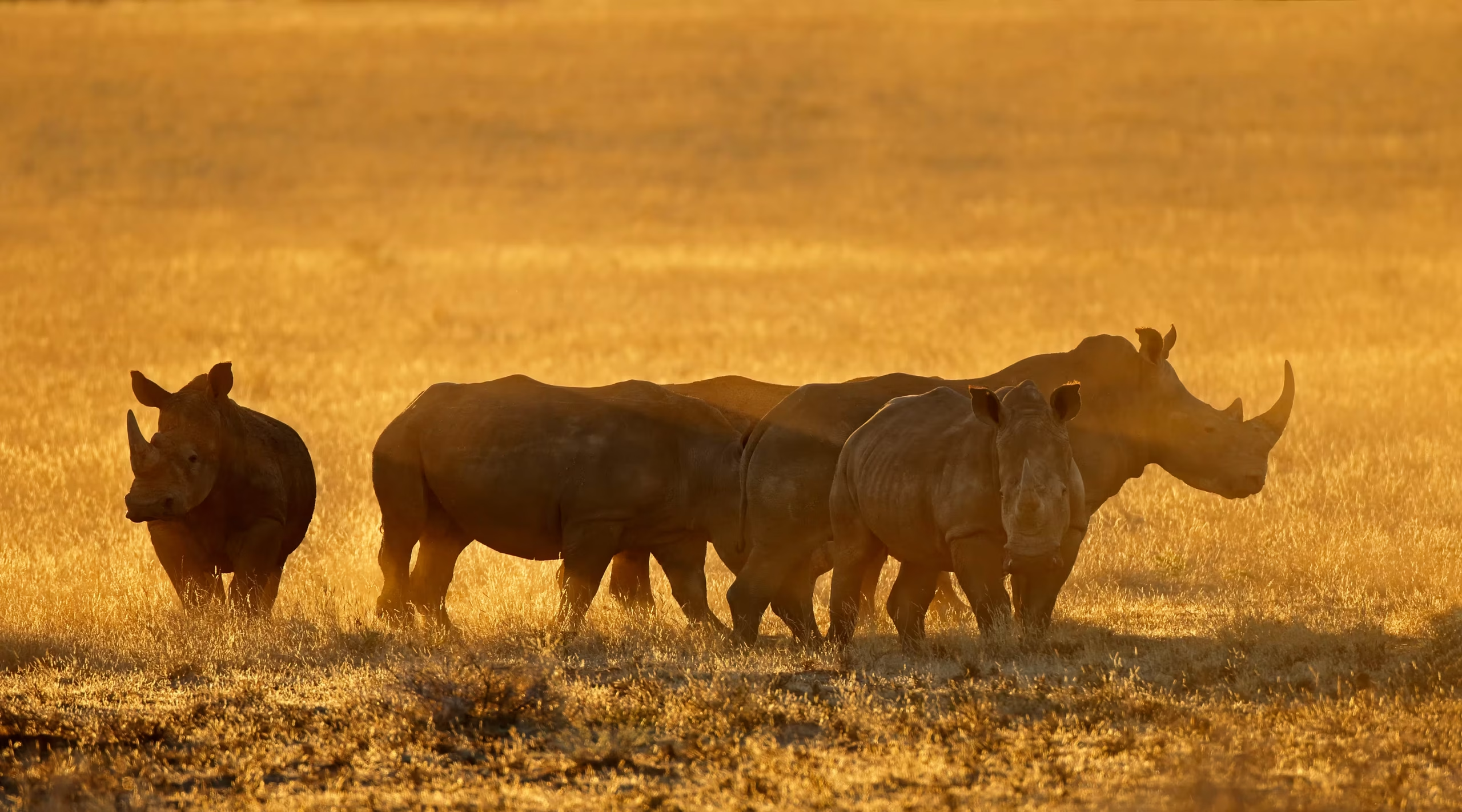
Black Rhino
The Black Rhino — Tanzania's Last Stronghold

Ngorongoro's black rhino population numbers approximately 100 individuals — one of the largest viable populations in East Africa. GAPI's guides know the regular territories of six named individuals.

Black Rhino ~100 Individuals Conservation
Enquire →
Lions
Sixty Lions. One Crater.

The crater's 60–65 lions are genetically distinct from the Serengeti population due to reduced gene flow caused by the crater walls. Exceptionally well-habituated to vehicles and most active before sunrise — exactly when GAPI enters.

60–65 Lions Genetically Distinct Dawn Active
Enquire →
Elephants
The Old Bull Elephants

Resident large bulls whose size, the clarity of the crater light, and the backdrop of the caldera wall make elephant photography in Ngorongoro some of the finest in East Africa.

Old Bull Elephants Crater Floor Photography
Enquire →
Inside the Crater

Four distinct
crater habitats.

The crater floor supports a mosaic of habitats within its roughly 20 km diameter — open grassland, soda lake, acacia woodland, and rhino country. Each holds a different wildlife community.

Habitat 01

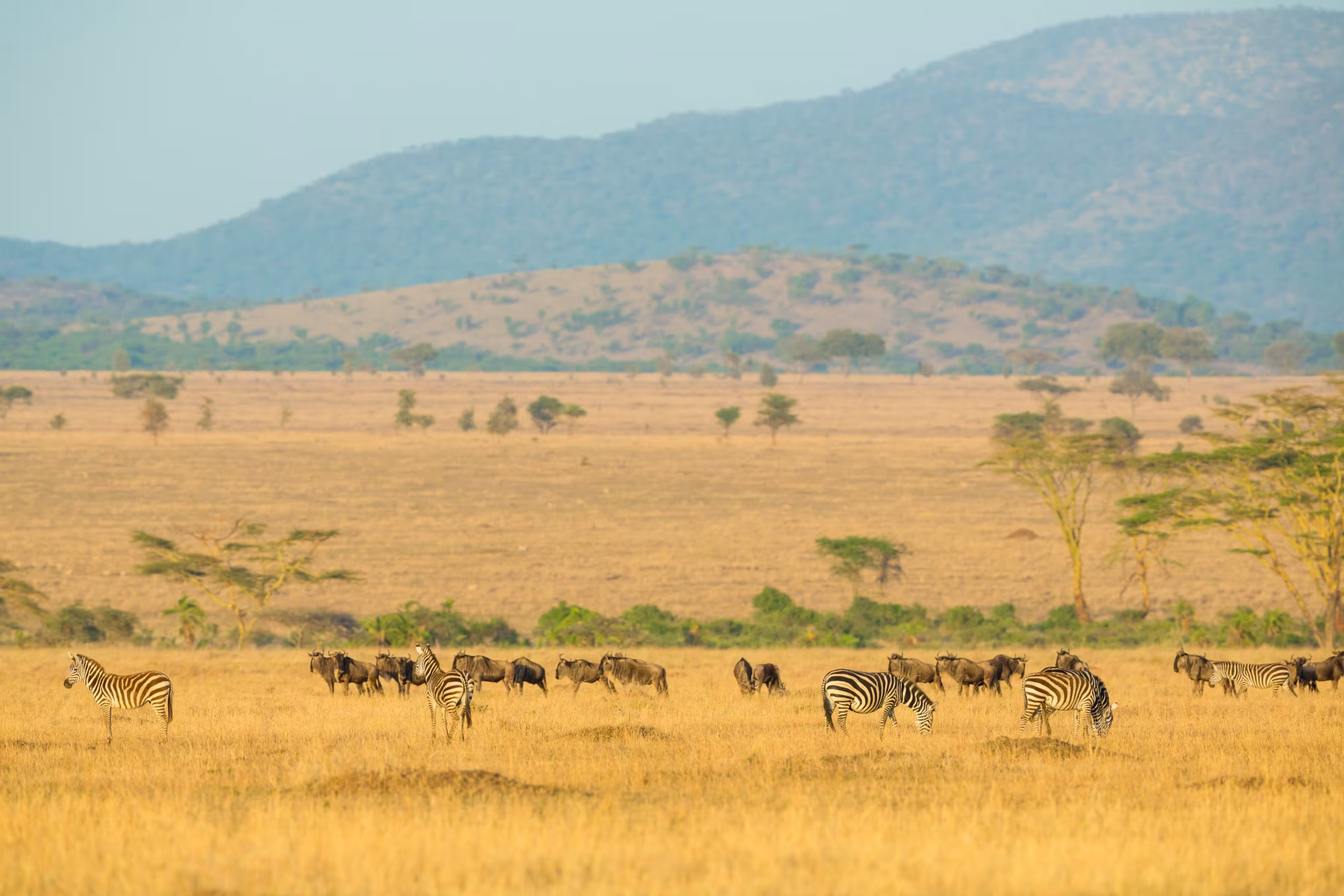
Open Grassland

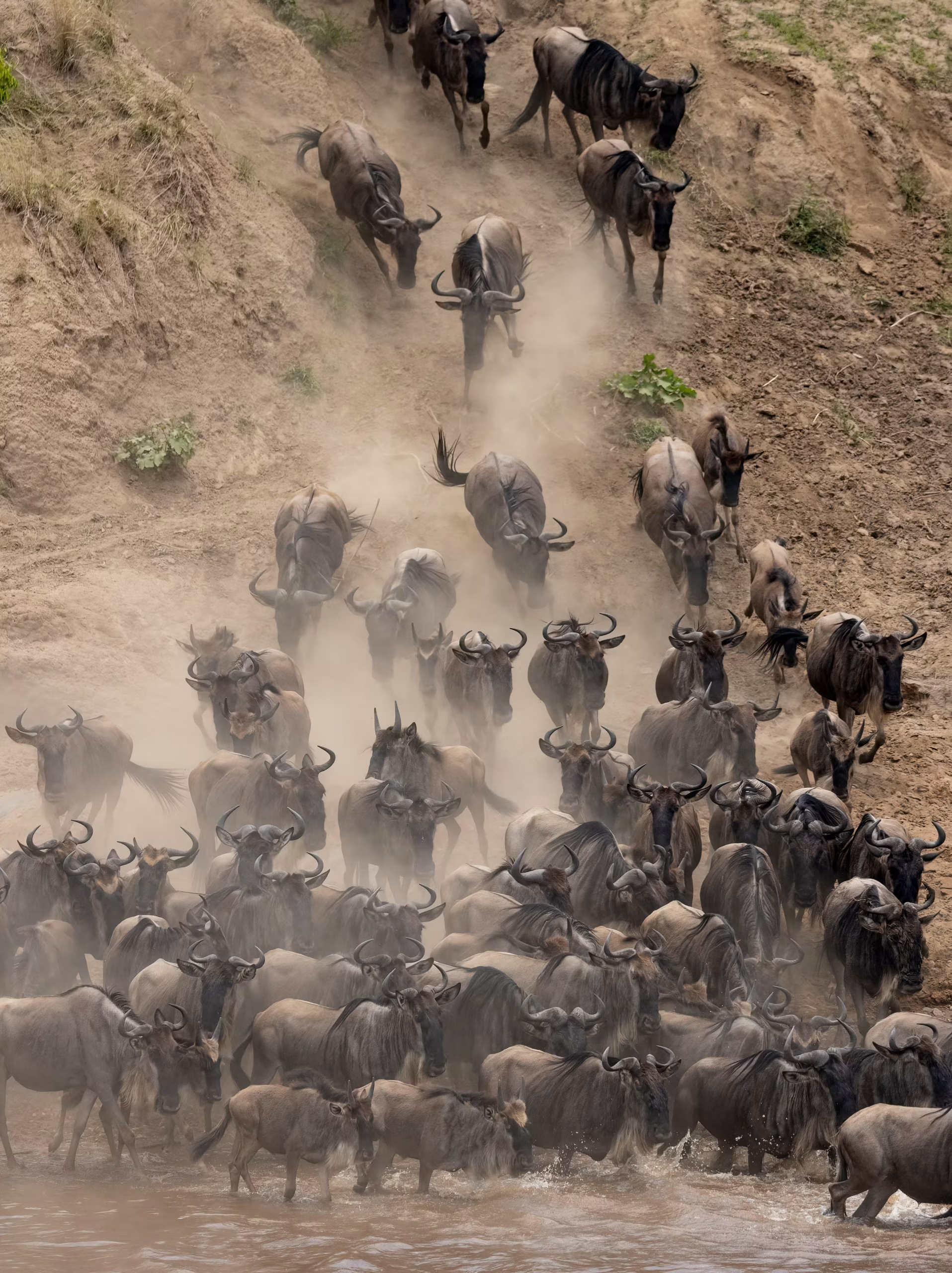
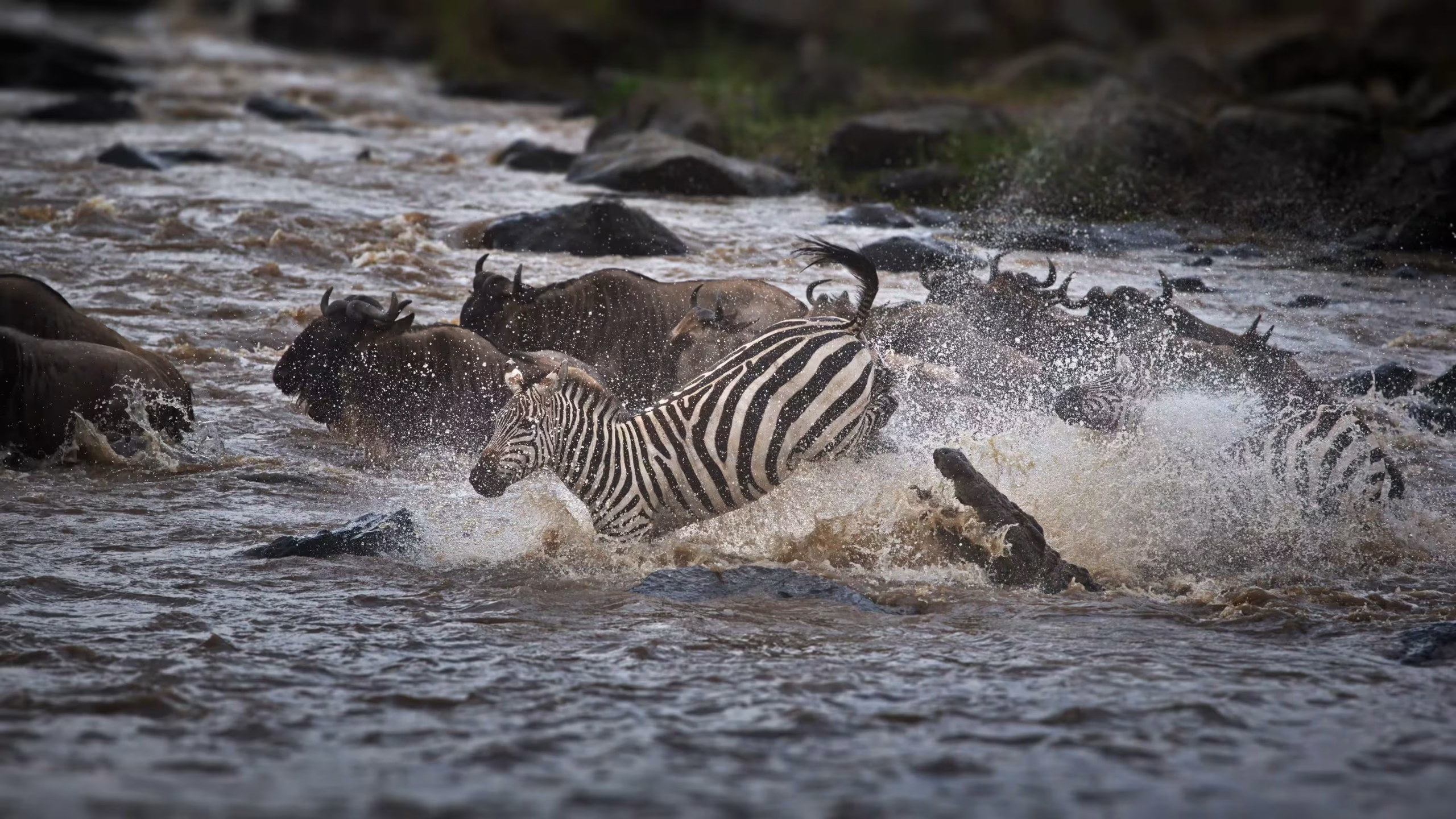
The heart of the crater floor — vast, open, and alive with wildebeest, zebra, and gazelle. Some of the easiest predator viewing in Africa. Lions walk openly in the morning light.

  • Lion — high density for Tanzania
  • Wildebeest and zebra herds
  • Cheetah — open chase country
Habitat 02

Lake Magadi

A soda lake at the crater’s heart that turns flamingo-pink in season. Hippo pools line the shore. Flamingo numbers shift with water chemistry — spectacular when present.

  • Flamingo — seasonal thousands
  • Hippo — permanent residents
  • Wading birds and pelicans
Habitat 03

Lerai Forest

Ancient acacia woodland on the southern crater floor. Elephant bulls often retreat here in the heat of the day — large, solitary, and calm. Leopard is occasional in the canopy.

  • Elephant — large bull males
  • Vervet monkeys
  • Leopard — elusive but present
Rare sighting
Habitat 04

Black Rhino Territory

One of the best places in East Africa to encounter wild black rhino. A protected population uses the southwestern grasslands — heavily guarded and rarely seen elsewhere in Tanzania at this density.

  • Black rhino — crater population ~100
  • Often sought at cooler hours
  • Protected by anti-poaching rangers
Ngorongoro crater floor grassland
Crater Floor · Open Grassland
Ngorongoro crater rim and wildlife
Crater Rim · Highland Light
Cultural Significance

Maasai, Olduvai,
and deep time.

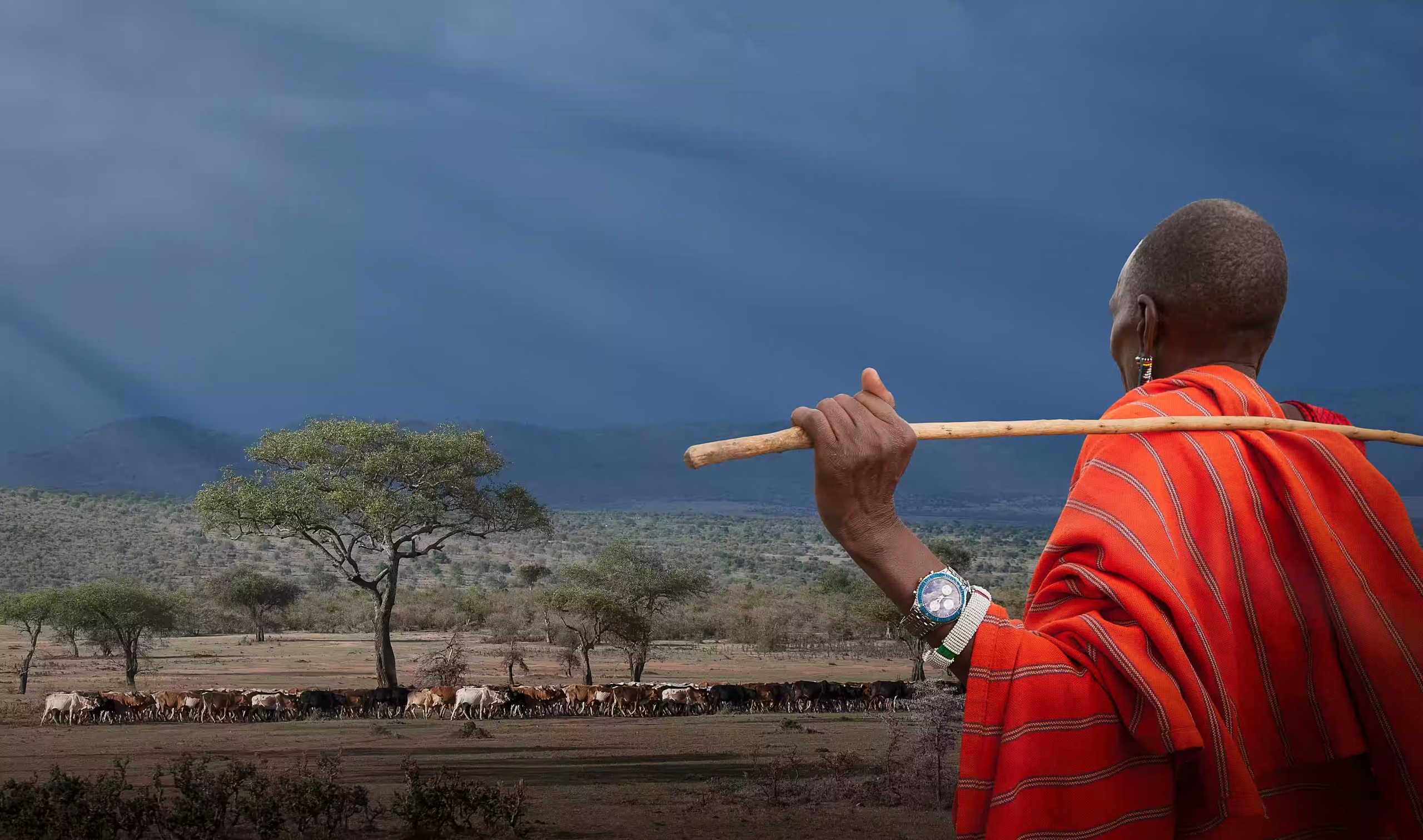
The Ngorongoro Conservation Area is unique in Africa — one of the few protected landscapes where Maasai communities retain traditional rights to live and graze cattle within a wildlife zone. That coexistence adds a human story safari-only parks cannot offer.

“This is not a museum of nature. It is a living landscape — animals, people, and history occupying the same ancient ground.”

GAPI Africa Safaris · Ngorongoro Field Notes

Nearby Olduvai Gorge — often called the Cradle of Mankind — adds another layer: fossils of early human ancestors studied by the Leakeys. A morning at Olduvai with an afternoon on the crater floor is one of the most complete days on the Northern Circuit.

Maasai Coexistence

Maasai grazing rights alongside wildlife form one of Africa’s oldest continuing land-sharing arrangements inside a major conservation area.

Olduvai Gorge

Hominid fossils millions of years old. A short visit is easily combined with a crater day and changes how travellers read the landscape.

UNESCO Heritage

Recognised for both natural and cultural significance — rare among World Heritage sites worldwide.

Best Time to Visit
Best
Jun – Oct
Dry season. Shorter grass for clear sightings. Cool mornings. Rhino often easier to spot.
Best
Jan – Mar
Calving season energy. Flamingos possible on Magadi. Strong predator action.
Good
Year-Round
Resident wildlife stays inside the caldera. Season changes the feel — not whether a visit works.

Plan your Ngorongoro expedition.

Sole-use vehicle. Dawn access at 4:45am. Your party alone.

Loading itinerary…
Saved Trips