


Tanzaniaevery month.
There is no single “best month.” Twelve months, each with different wildlife conditions — this guide shows what’s happening and which fits your interests.
Click any month to explore it.
Select a month to see what the Northern Circuit produces in that period.
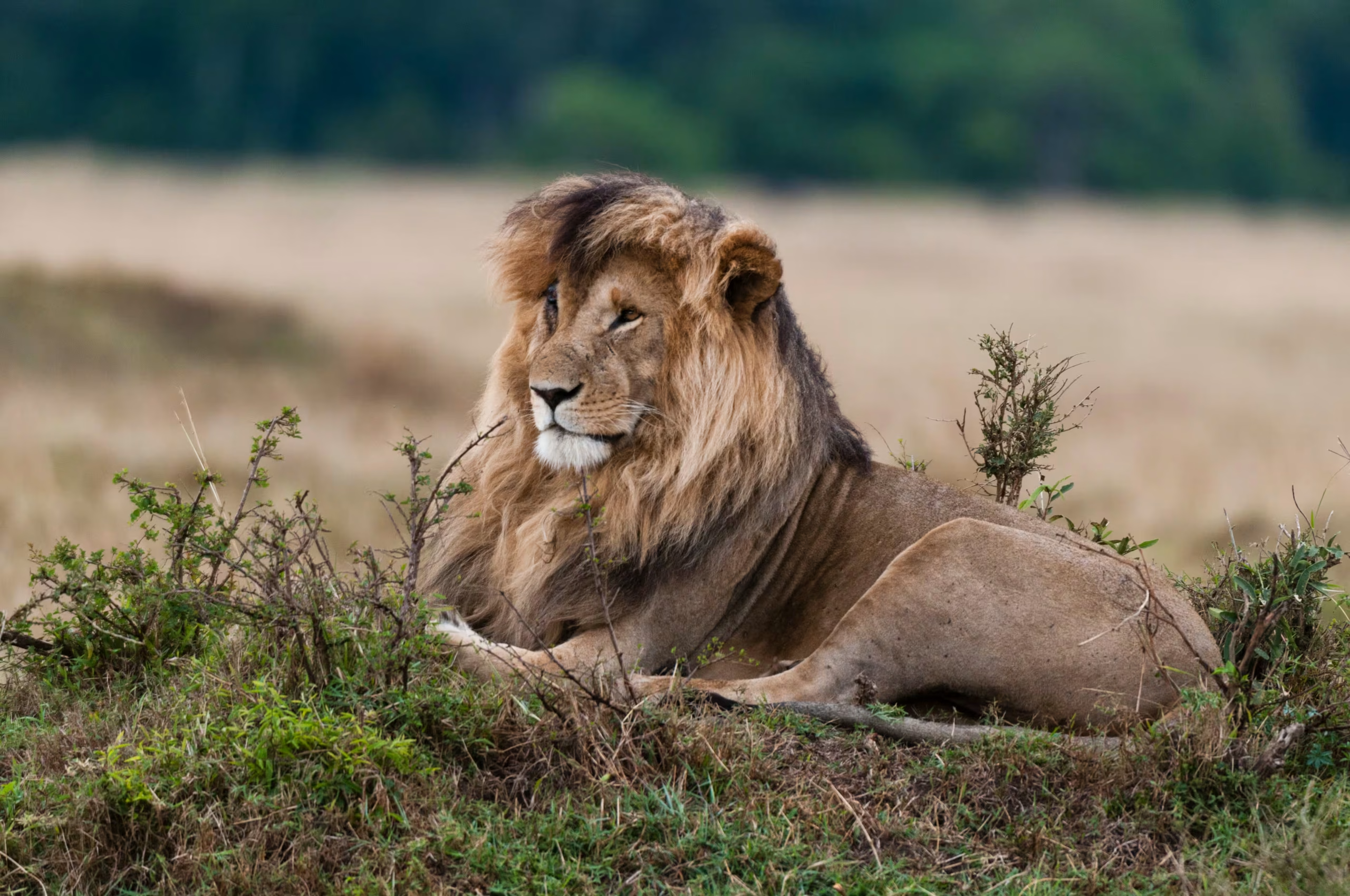
January is the calving season at Ndutu, on the Ngorongoro-Serengeti border. 500,000 wildebeest calves are born in a three-week window. The predator density — lions, cheetah, hyena — is at its annual maximum. The calving season is GAPI’s most consistently recommended month for first-time visitors to the Serengeti.
The herds are at Ndutu from late December through March. The predators follow. The grass on the short-grass plains is green, the light is soft, and the concentrations of predator and prey produce encounters of extraordinary intensity.
February continues the Ndutu calving season. In GAPI’s assessment, February–March is the period of the highest predator density and activity in the entire Northern Circuit calendar. Lions hunting in coordinated groups, cheetah with cubs, the hyena clan at maximum activity.
Weather in February is dry in the Serengeti with some clouds. The Ndutu area is accessible by vehicle. Ngorongoro is excellent in February: clear days with good crater descent conditions.
The calving season continues into early March, then begins to wind down as the herds start the long walk north. The long rains begin in March in some years, producing extraordinary photographic conditions — green grass, dramatic clouds, and exceptional light.
March is a transitional month with outstanding wildlife encounters and lower visitor density than the peak dry-season months.
April is the heart of the long rain season in northern Tanzania. The parks are green and dramatically beautiful. Wildlife is dispersed — the rain provides water everywhere. GAPI operates in April with excellent results for clients who prefer lush landscape photography and the near-absence of other visitors.
The lower visitor density means encounters are genuinely private. Several returning GAPI clients prefer the green season for its photographic quality and sense of complete solitude.
May marks the end of the long rains and the beginning of the transition to the dry season. The parks are still green, visitor numbers are low, and wildlife concentrations begin to increase around permanent water.
May is a GAPI recommended month for clients who want the quality of the dry-season experience with the aesthetic of the green season.
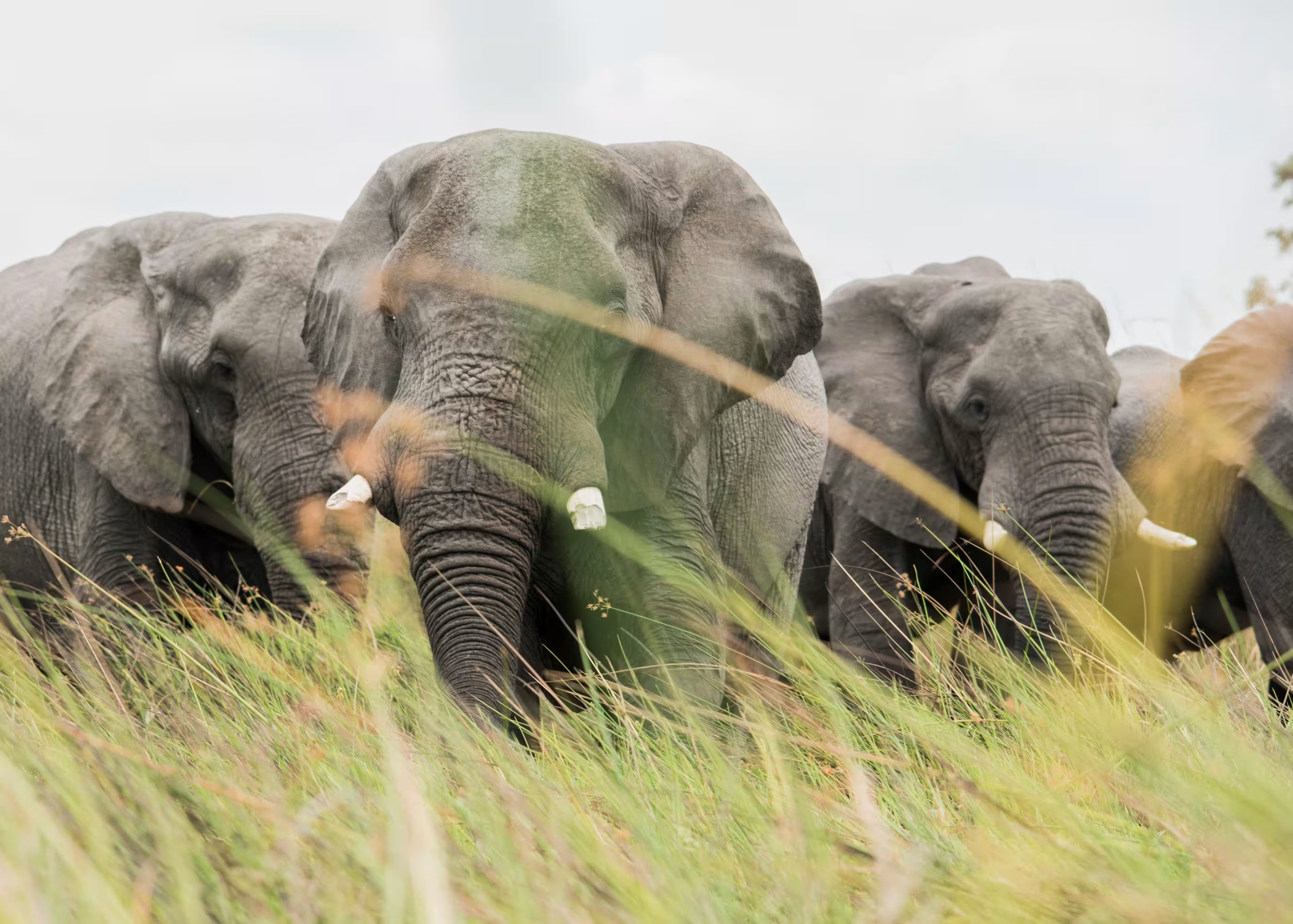
June marks the beginning of the dry season and the start of the best conditions in Tarangire National Park. The Tarangire River begins to concentrate wildlife. Elephant herds begin gathering. The Serengeti migration begins moving north toward the Mara River.
June is the beginning of GAPI’s primary dry-season booking period. Tarangire at the start of its peak elephant season with the Serengeti migration moving north.
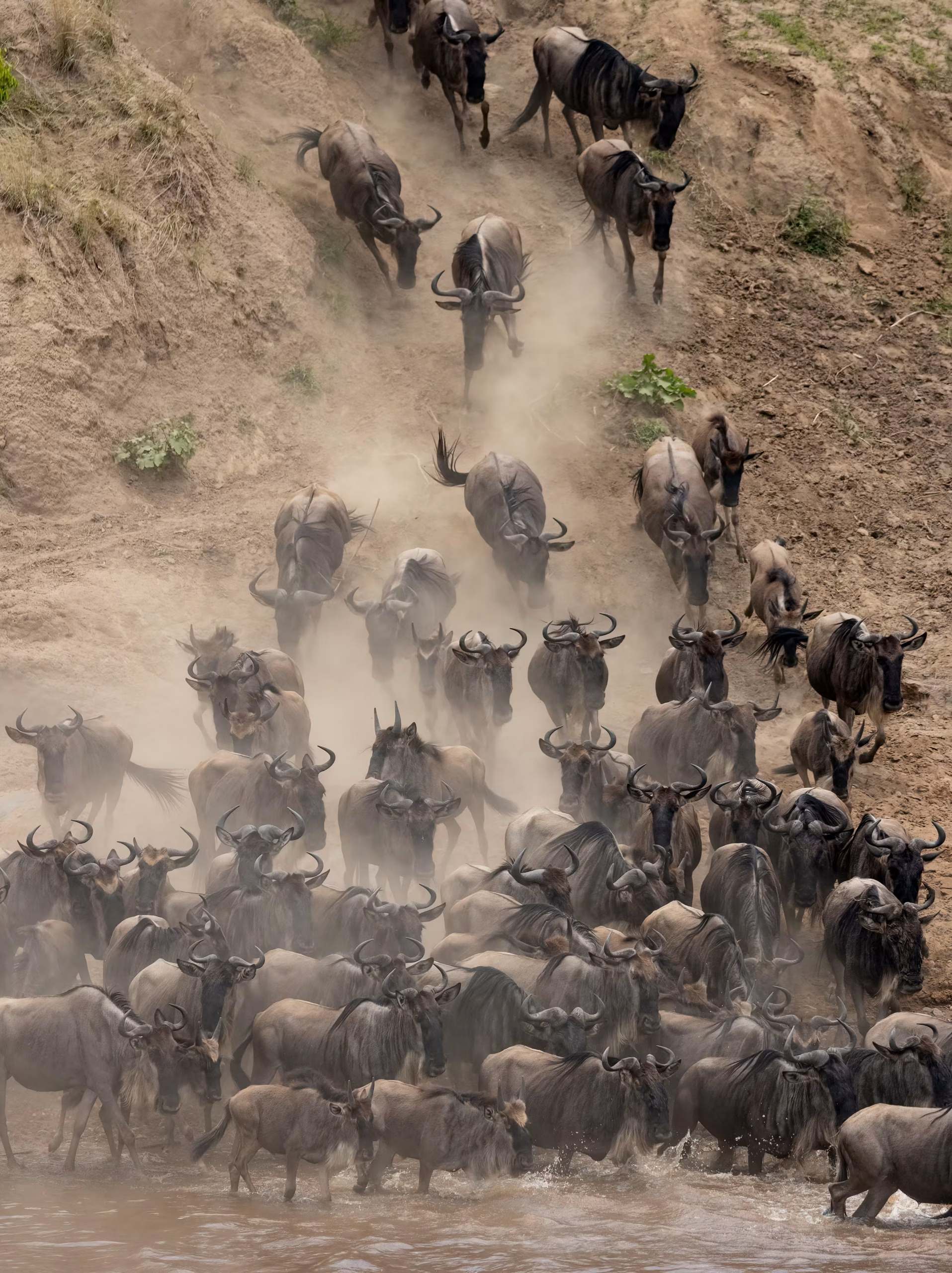
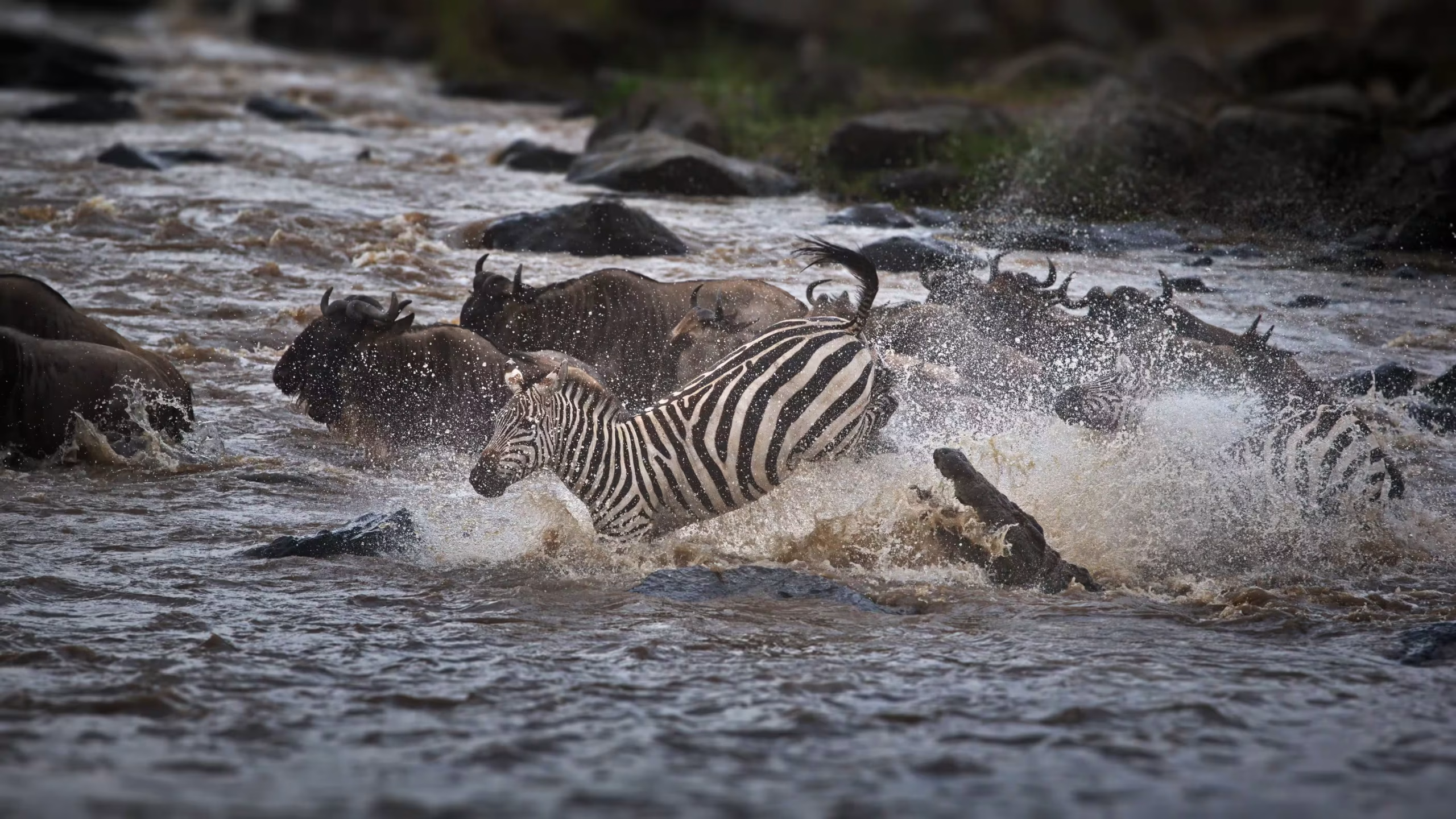
July is the beginning of the Mara River crossing season. The wildebeest herds arrive at the Mara River in the northern Serengeti. GAPI’s Lamai Wedge camp is positioned directly on the Mara River throughout July and August. Tarangire is simultaneously at peak elephant concentration.
GAPI’s highest-demand booking period. The combination of Mara River crossings with Tarangire elephant concentrations produces the finest dry-season safari conditions in Tanzania.
August is the heart of the crossing season. The wildebeest herds cross the Mara River repeatedly. John Mazinga, GAPI’s crossing specialist, has been present at more crossings than any guide in the region.
August is the most sought-after month in the Northern Circuit. GAPI’s positions at the Lamai Wedge give sole-use vehicle access to the river crossing sites. Tarangire in August is at peak elephant season simultaneously.
September continues the crossing season while the vanguard herds begin the return south. September offers the choice between late-season crossings and the beginning of the return migration.
Tarangire in September is at its maximum wildlife concentration — the highest density of elephant and predator of the entire year. September is the last month of the full northern crossing season.
October begins the southward migration and the transition from the dry season to the short rains. Tarangire remains excellent — among the finest months of the year. The Serengeti south is building back as the herds return.
October is a transitional month of high quality. Tarangire at its late peak, Serengeti transition, and outstanding wildlife encounters throughout.
November brings the short rains to most of northern Tanzania. The parks transition to green season. Wildlife disperses as rain-filled pans provide water throughout. The migration returns to the south of the Serengeti.
November is quieter for wildlife encounters but remains productive. GAPI operates throughout November for clients who value green season aesthetic and lower visitor numbers.
December in the Serengeti is a transition month. The short rains end by mid-December, and the Serengeti south transitions to calving season conditions. Ndutu begins to attract the first wildebeest groups.
December arrivals who extend into January are positioned for the heart of the calving season. The parks are green with excellent photographic conditions.
Four seasons in northern Tanzania.
The peak wildlife season
Wildlife concentrates at permanent water — Tarangire and Mara rivers. Mara River crossings (July–September) are Africa’s most famous spectacle. Tarangire hosts exceptional elephant concentrations.
The predator peak
Ndutu’s short-grass plains receive ~500,000 wildebeest calves in a three-week window. Predator density — lions, cheetah, hyena, leopard — is at its Northern Circuit maximum.
Lush, private, photographic
Long rains bring vivid green grass, dramatic clouds, and soft light. Outstanding for photographers. Visitor numbers at their annual minimum.
Transition month
Variable short rains — sometimes light, sometimes significant. Quieter wildlife with fewer visitors. December bookings set you up for calving season.
Tell us your dates. We’ll tell you what you’ll find.
Every month offers something extraordinary. The right month depends on your specific interests.