

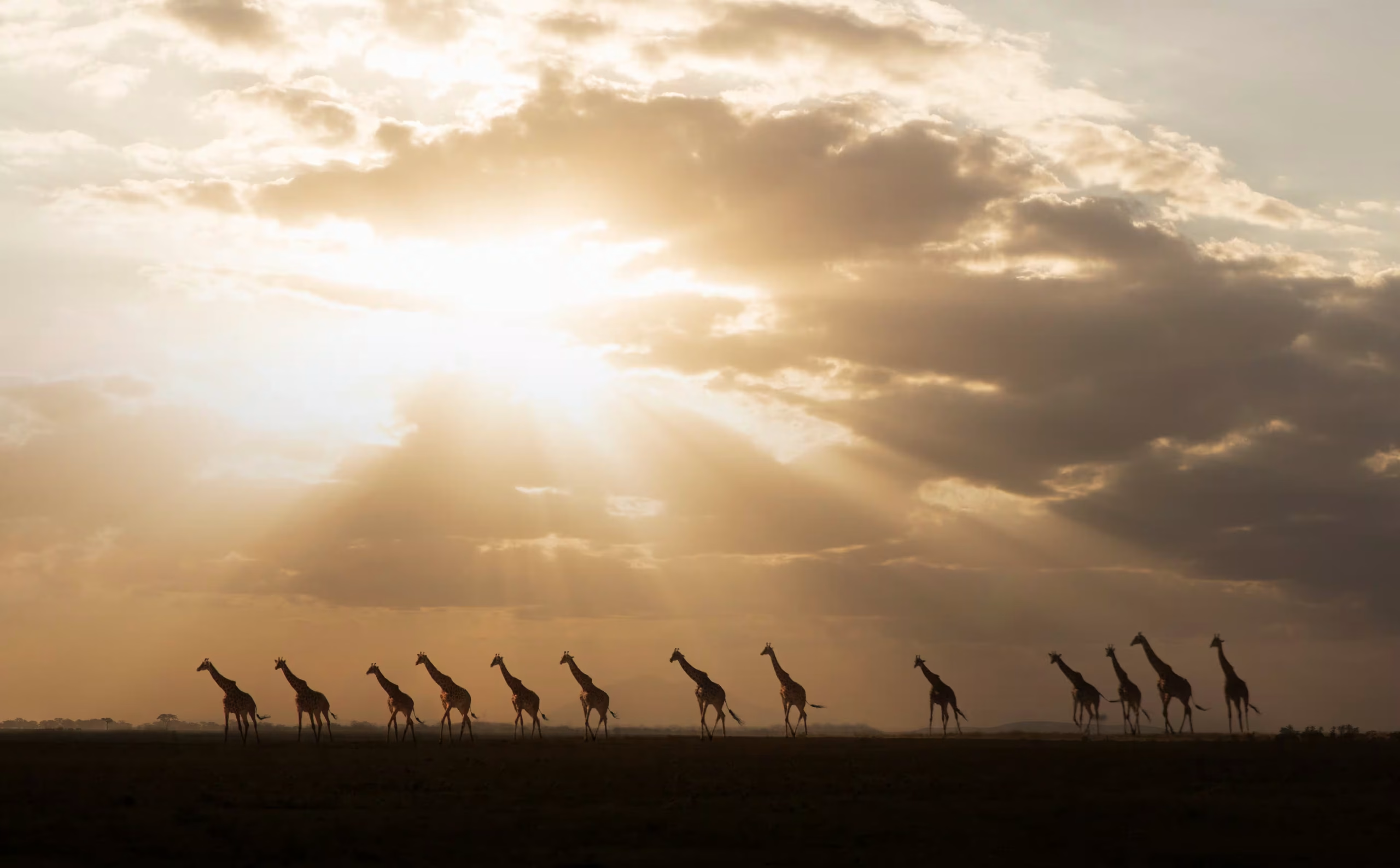

Most safari mistakes are not dramatic, nobody misses their flight or ends up somewhere dangerous. They are quieter than that: a trip that felt rushed, a season that did not match what you hoped to see, a booking that turned out to be three layers removed from the people actually running your camp. After years of fielding questions from first-time travellers, these are the mistakes we see most often, and what we tell people to do instead.
01 Booking Too Few Days
A three-day safari sounds efficient on paper, but once you account for arrival, a first-day drive to your first park, and departure logistics, you are often left with barely one full day of actual game viewing. It is the single most common regret we hear after a trip, not that anything went wrong, just that it felt rushed the whole way through.
02 Underestimating Distances Between Parks
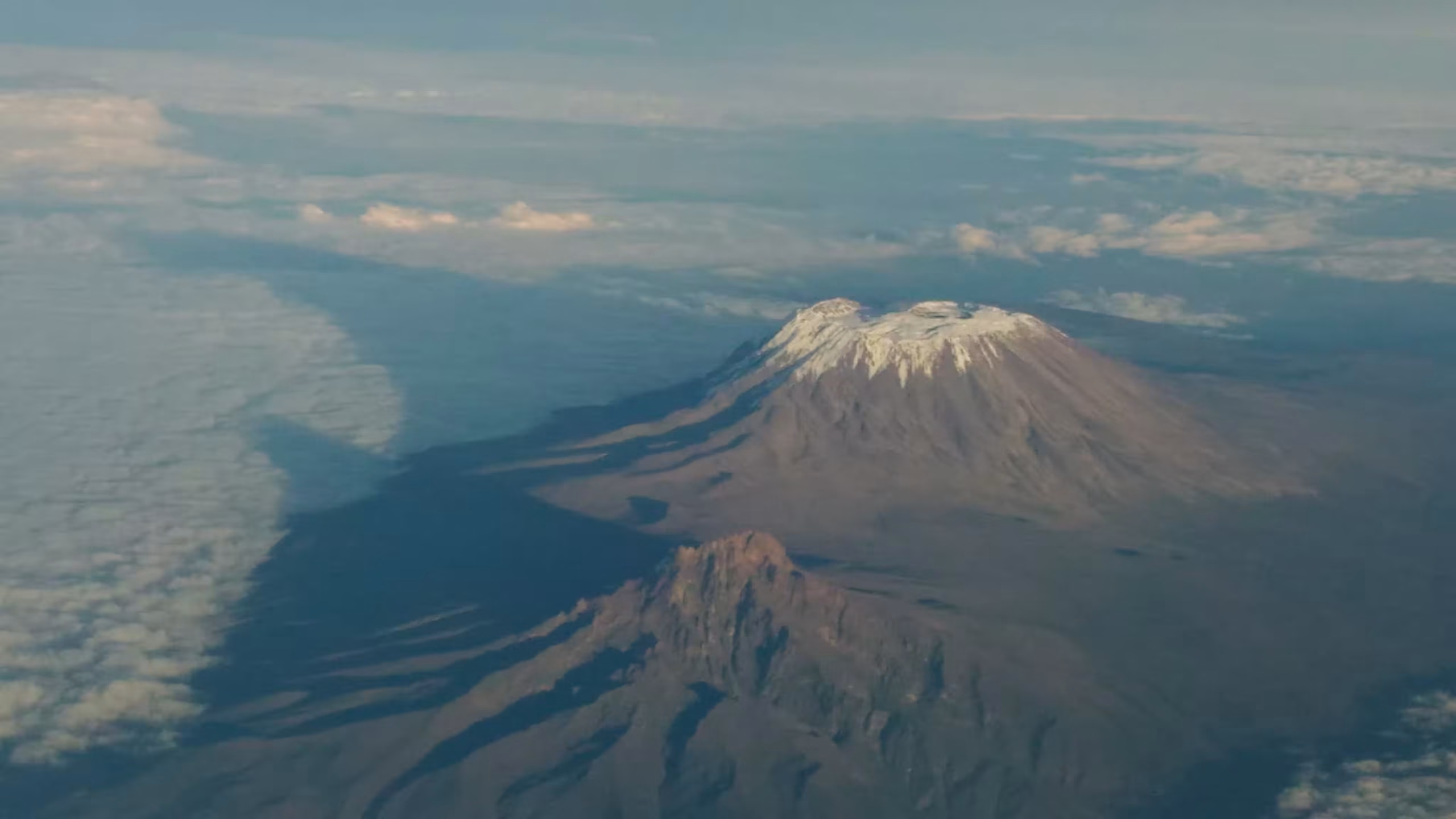
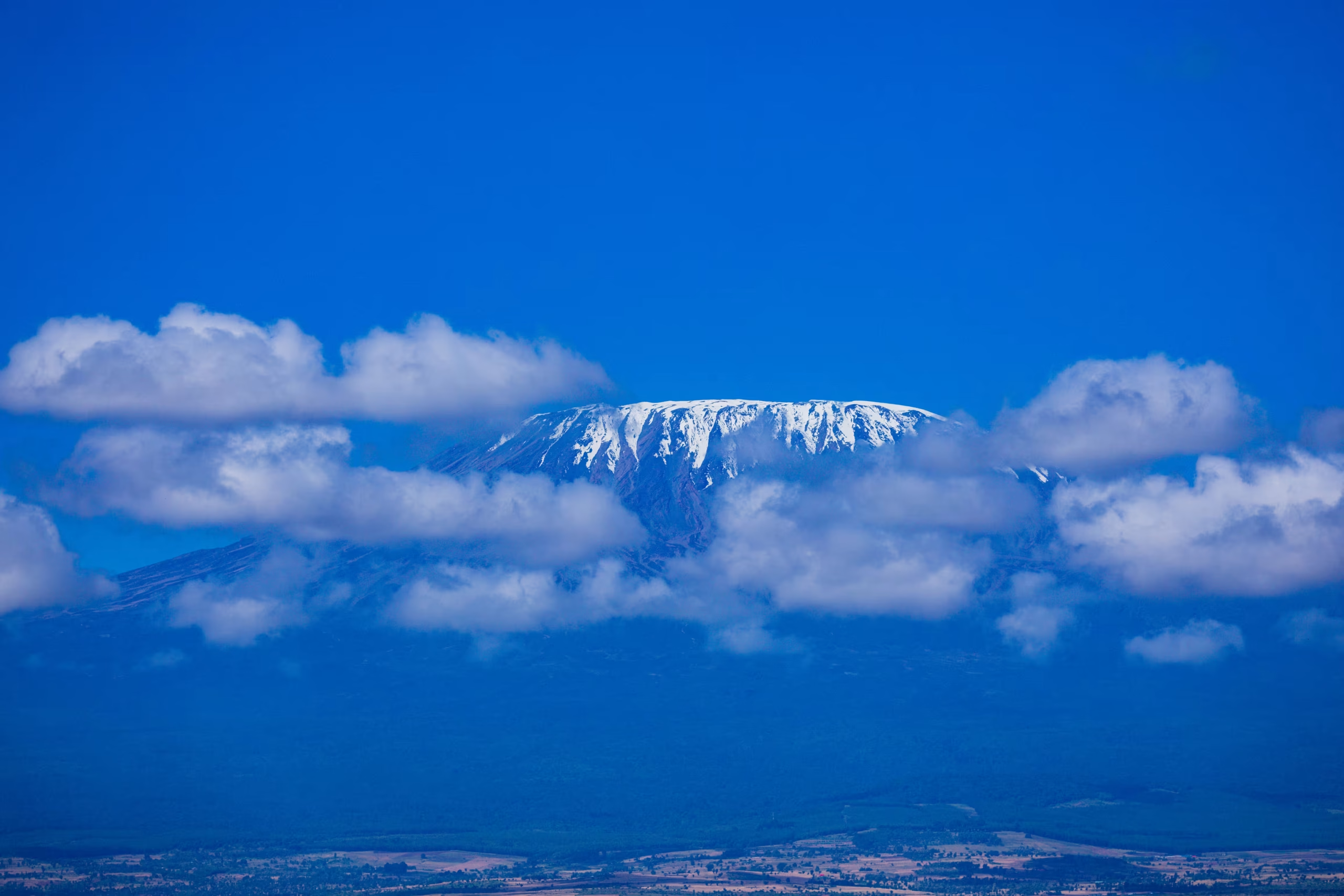
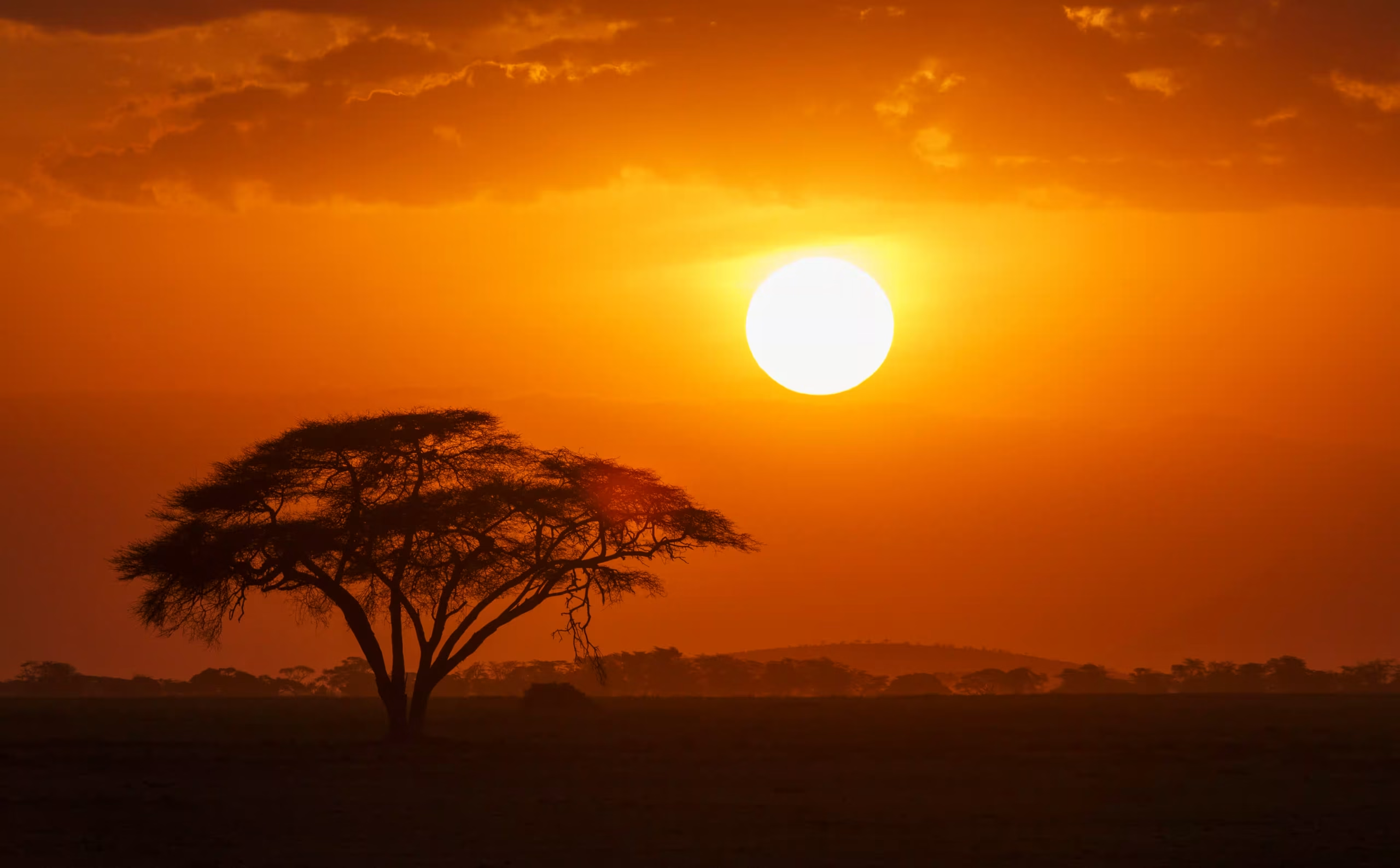
Tanzania's parks look close together on a map but the roads between them are not highways. A transfer from Tarangire to the Serengeti can take four to five hours, much of it on unpaved roads through the Ngorongoro Highlands. Travellers who plan back-to-back park visits without transfer time in between often arrive tired and behind schedule.
03 Picking the Wrong Season for What You Want to See
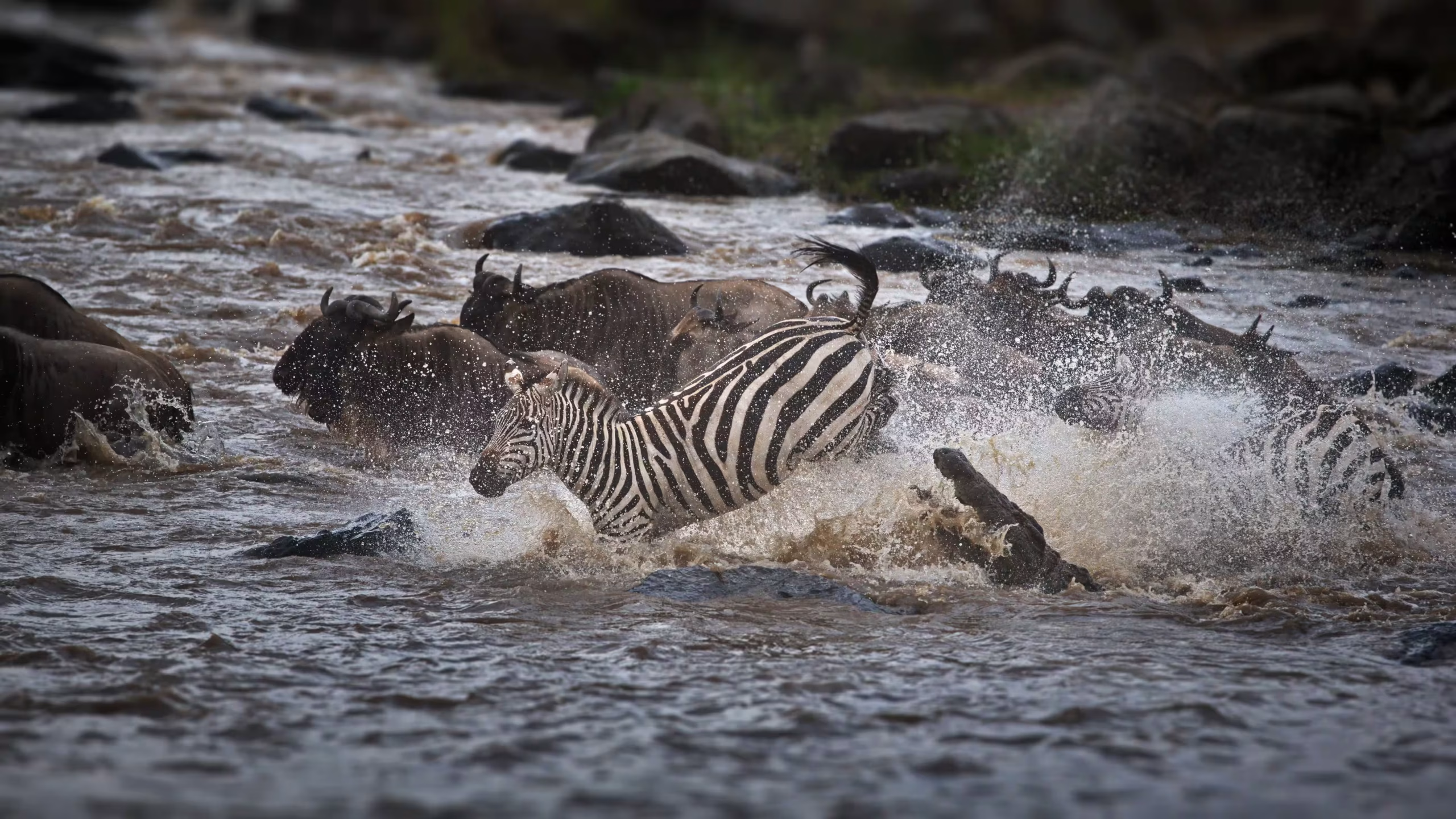
The Great Migration is not one event, it moves through different parts of the Serengeti ecosystem across the year, and booking peak dry season does not guarantee you will see a river crossing if the herds happen to be elsewhere that month. Equally, travellers chasing a quiet, green landscape sometimes book July expecting solitude and find the parks busy with dry-season crowds instead.
The best safari dates are not a universal answer. They're whichever month lines up with the one thing you actually came to see.
04 Overpacking, or Packing the Wrong Things
Hard-shell suitcases do not fit in the small aircraft used for internal flights or the storage space in a safari vehicle, and bright colours or heavy patterns can actually make wildlife more wary during a walking safari. First-timers often bring twice what they need, then spend the trip wishing they had packed lighter.
05 Skipping Travel Insurance
Most trips go smoothly, but the nearest hospital to a remote camp can be genuinely hours away, and medical evacuation without insurance is expensive in a way most travellers do not expect. It is one of the few things on this list that is not optional advice, it is a requirement for anyone travelling with us.
06 Booking Through Too Many Middlemen
A booking that passes through an overseas agent, then a wholesaler, then a local operator, picks up a markup at every stage, and by the time it reaches you, nobody in that chain has necessarily set foot in the camps they are selling. Booking with a Tanzania-based operator directly means you are talking to people who know the actual properties, not reselling someone else's itinerary.
07 Treating the Big Five Like a Checklist
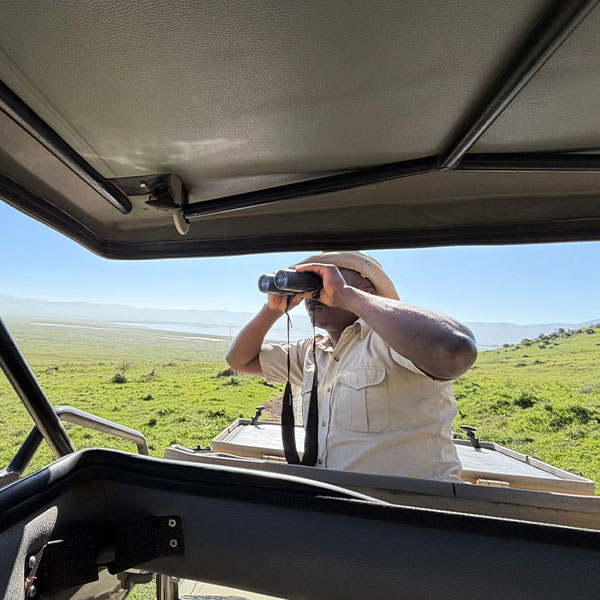
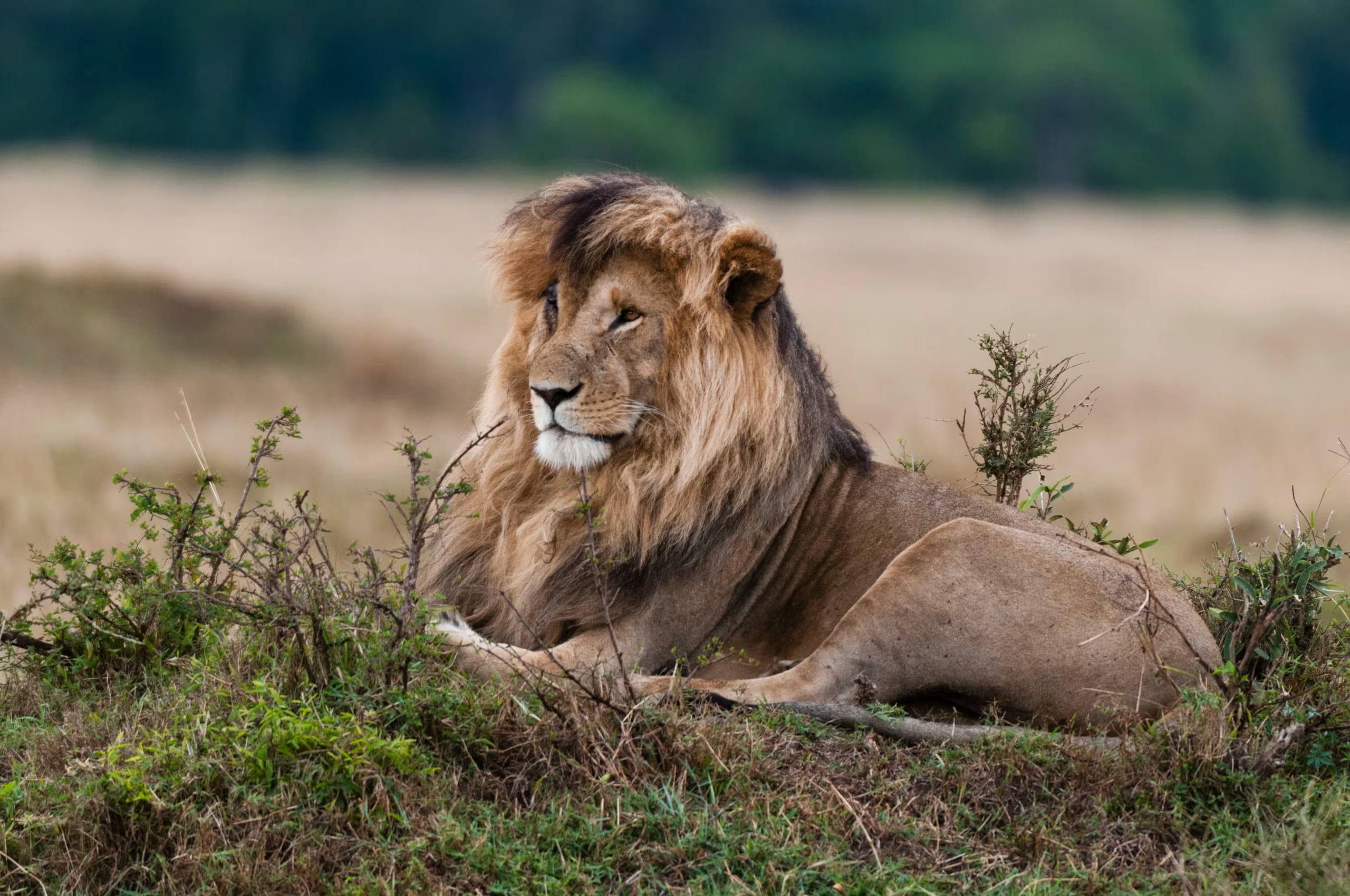
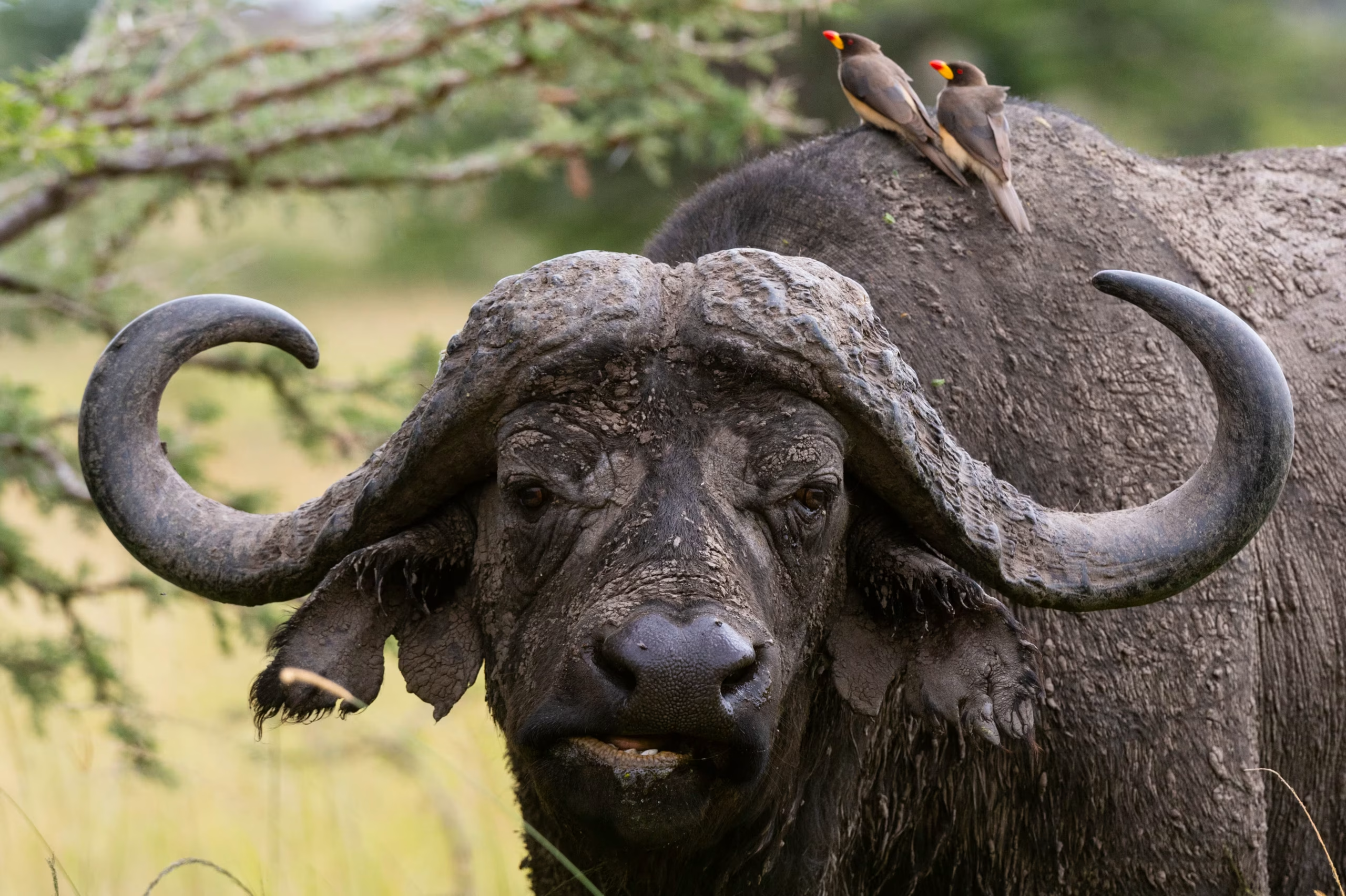
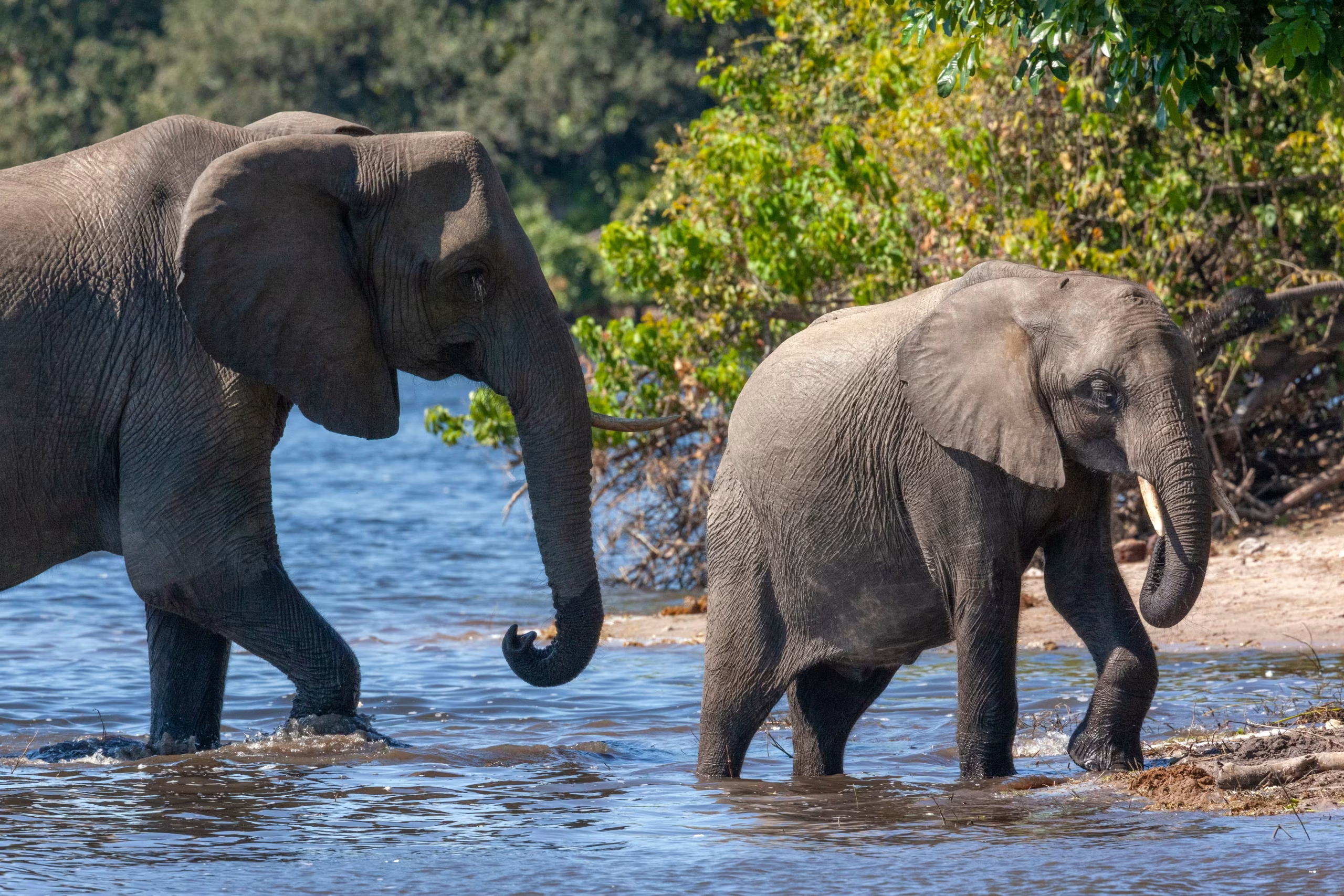
Guides notice when guests are fixated on ticking off five specific animals rather than experiencing the drive itself, and it changes the trip. Some of the best moments on safari come from things nobody planned for, a pack of hyenas at dawn, a martial eagle taking down prey, the particular quality of light over the crater at 6am. Chasing a checklist means moving past all of that in a rush toward the next sighting.
08 Questions We Get Asked Every Day
Let's Plan It Right the First Time
Tell us your dates and priorities, and we will help you avoid every mistake on this list before you even leave home.
Prefer to talk first? Reach us at info@gapiafricasafaris.com or WhatsApp. Our team is based in Arusha and usually replies the same day.
Get the best of Tanzania in your inbox
Migration timing, packing guides, honest camp reviews, and stories from the field.