

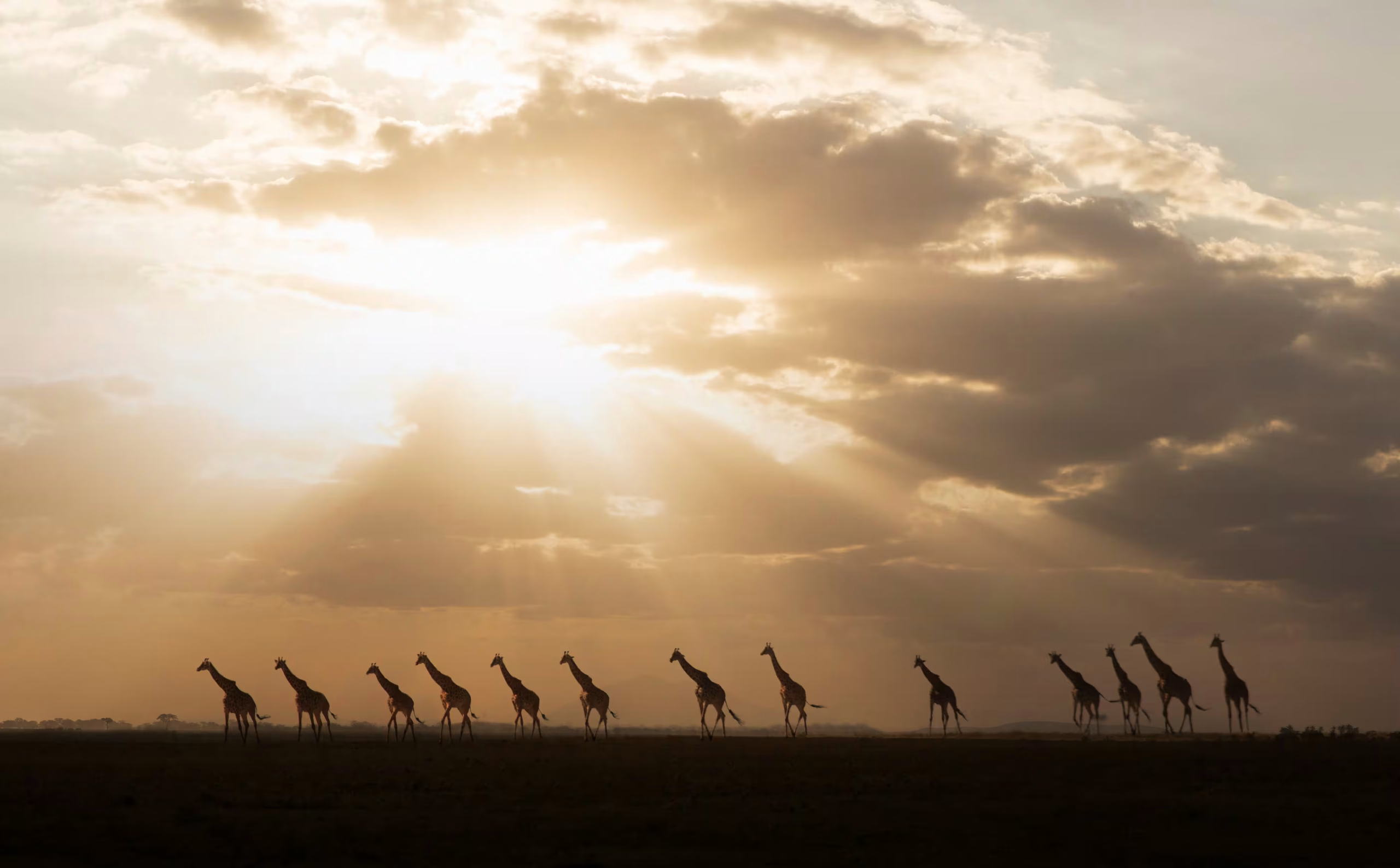
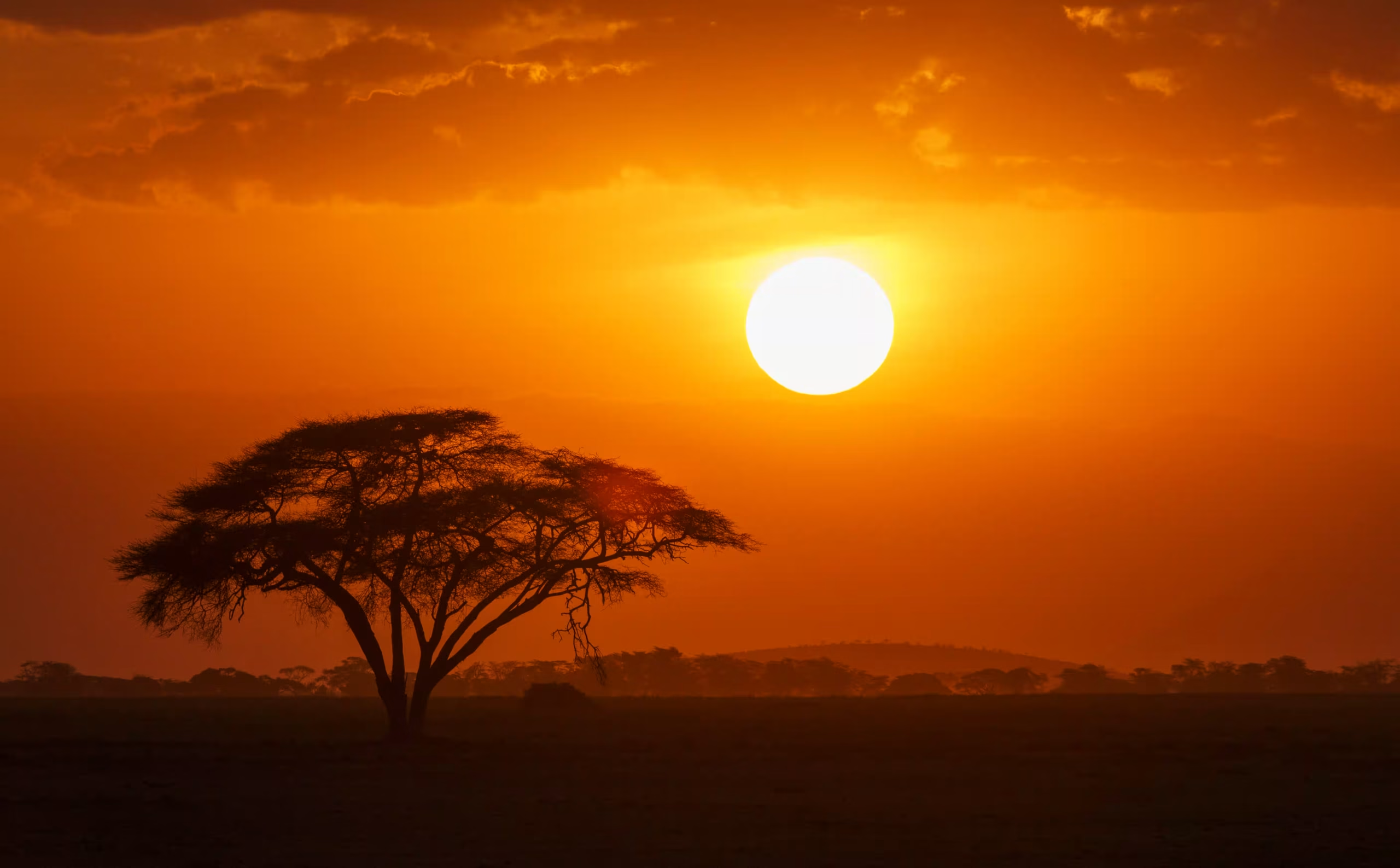
The term “Big Five” was coined by big game hunters long before cameras replaced rifles, naming the five animals considered the most dangerous and difficult to hunt on foot: lion, elephant, buffalo, leopard, and rhino. Today the phrase belongs to safari-goers instead, a shorthand for the sightings everyone hopes for. But treating it as a checklist misses the point. Each of these five animals behaves differently, lives in different terrain, and asks something different of the guide trying to find it. This guide walks through each one, what makes it worth understanding rather than just spotting, and where in Tanzania you actually stand the best chance of seeing it.
01 Lion — Panthera leo
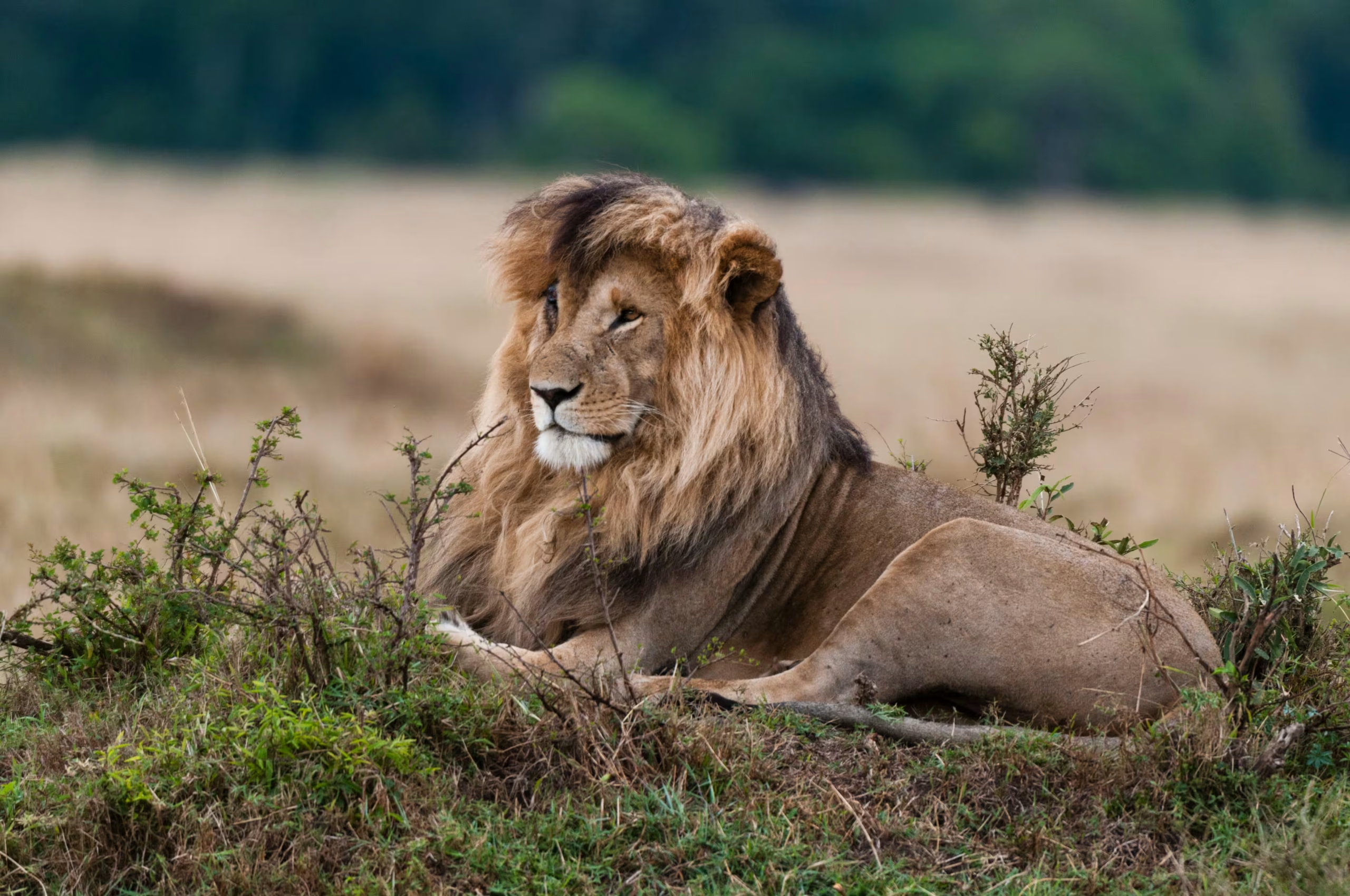
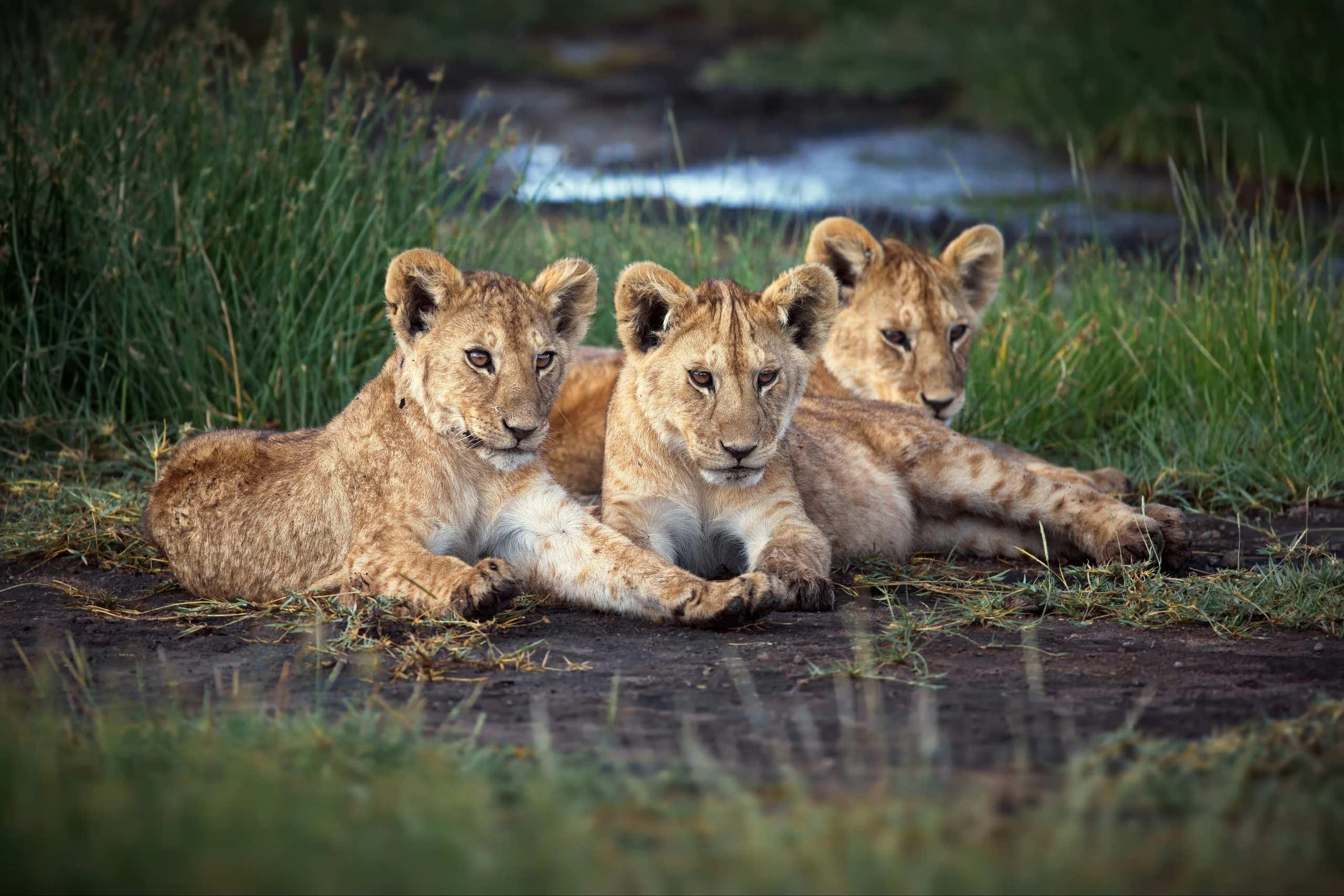
Lions are the only truly social cat, living in prides that can number over twenty animals, built around related females who stay together for life while males come and go, holding territory for a few years before being displaced by younger rivals. Watching a pride is watching a small society: cubs learning to stalk on their mothers, lionesses coordinating a hunt without a sound, males announcing territory with a roar that carries for kilometres.
The Serengeti and Ngorongoro Crater hold some of the highest lion densities in Africa, and sightings here are less about luck than most people expect. Guides track prides by territory, and a good one often knows roughly where to look before the vehicle has even left camp. Early morning, just after a night of hunting, is when you are most likely to catch them active rather than sleeping through the heat of the day.
02 African Elephant — Loxodonta africana
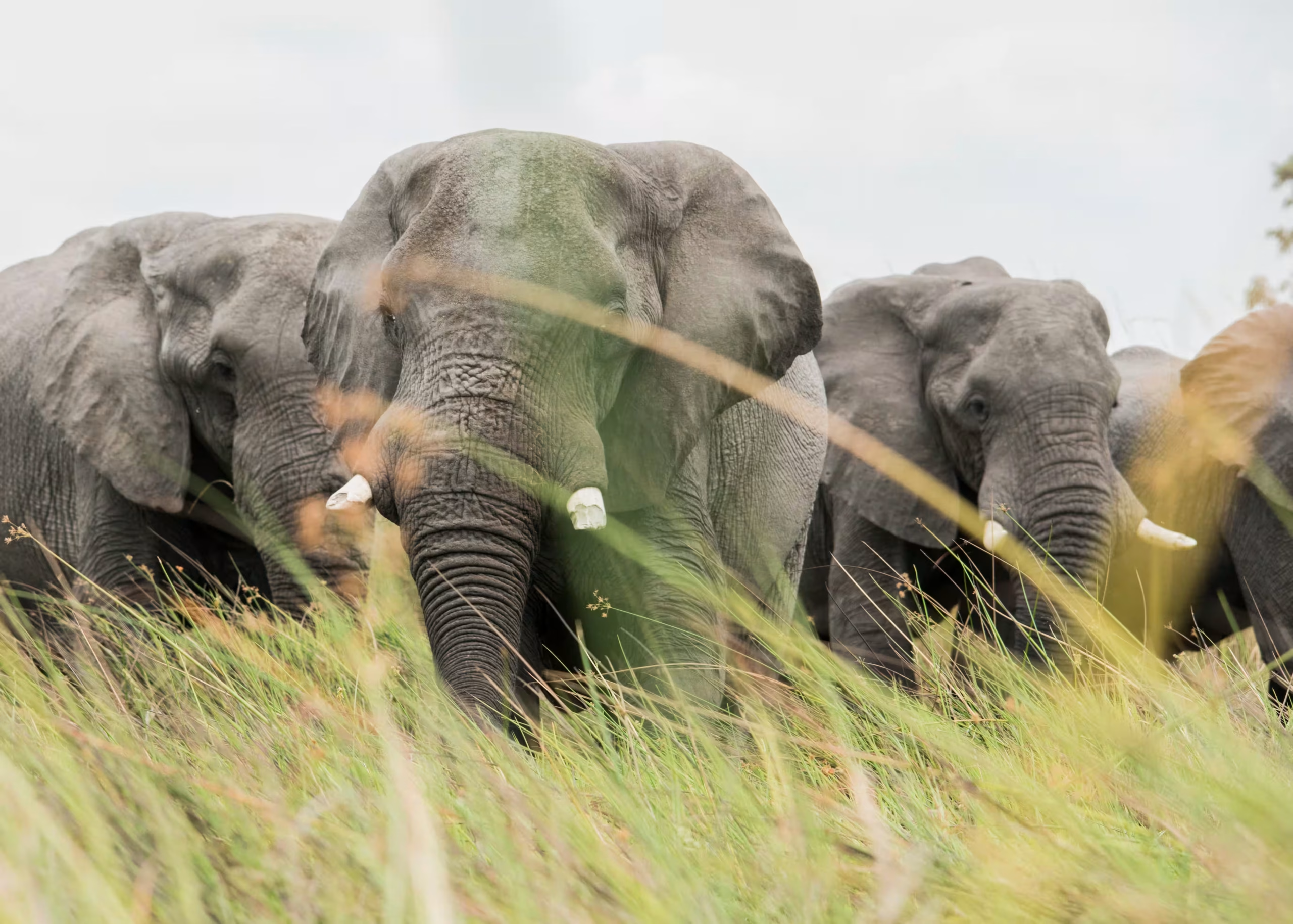
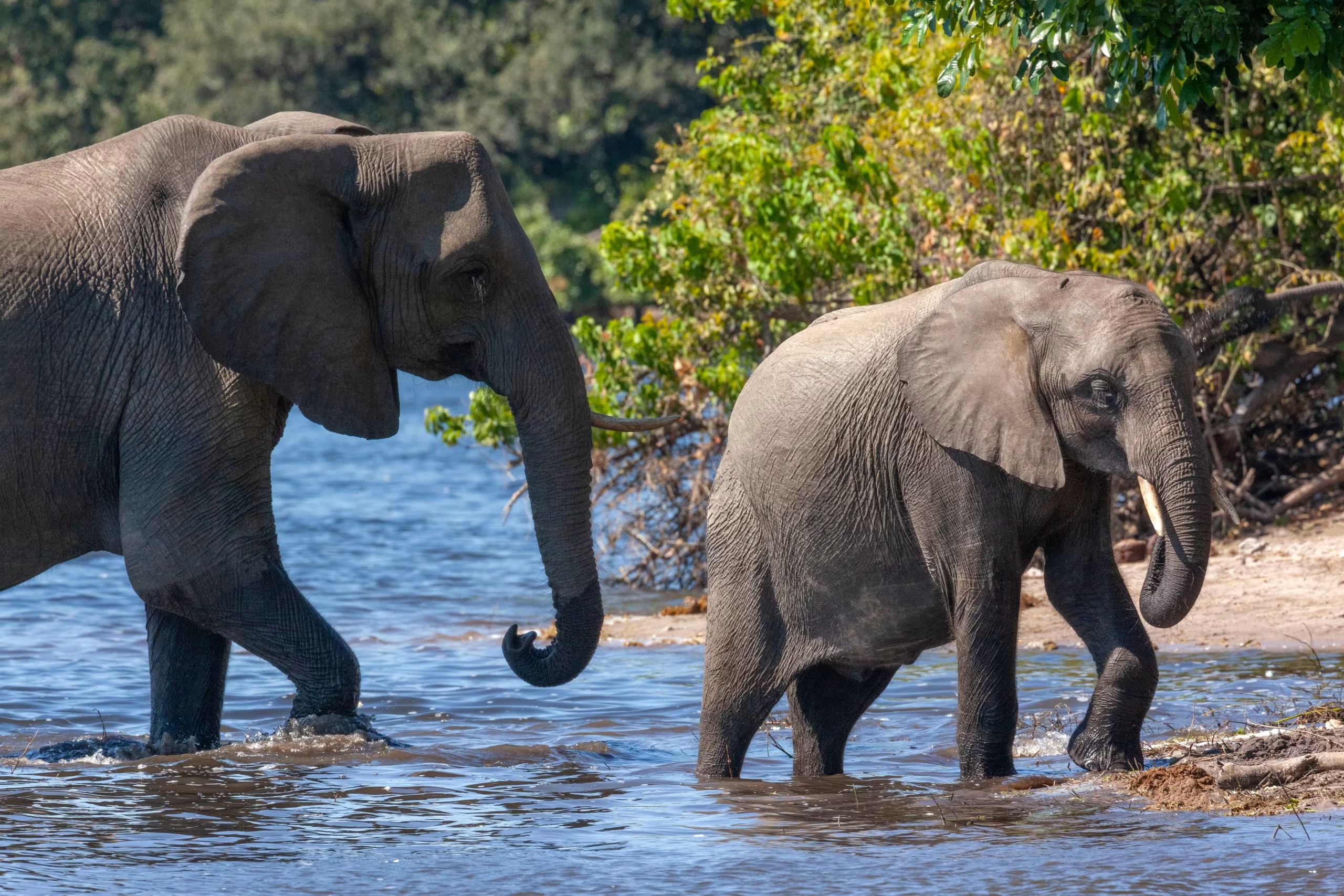
The largest land animal on earth, and arguably the easiest of the Big Five to read emotionally. Herds are matriarchal, led by the oldest and often largest female, who carries decades of memory about where water and food can be found in a bad year. Calves stay close to their mothers for years, and the bond within a herd is visible in how they move, feed, and react to danger together.
Tarangire National Park is built around elephants in a way few other parks are, its baobab-dotted landscape home to some of the largest herds in Tanzania, particularly in the dry season when they concentrate near the Tarangire River. Watching a herd cross open ground at dusk, dust rising behind them, is one of the sights that tends to stay with people long after the trip ends.
03 Cape Buffalo — Syncerus caffer
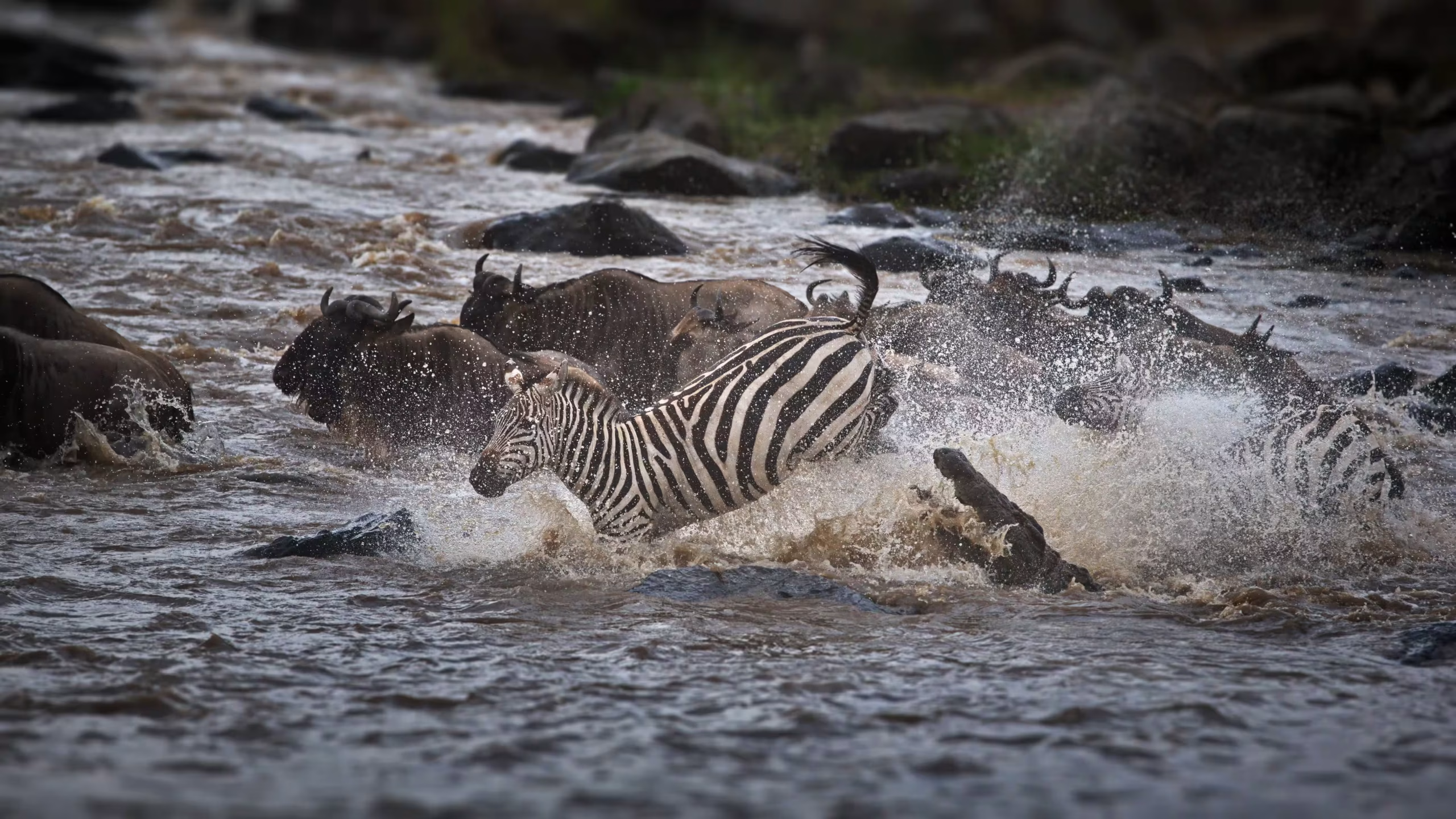
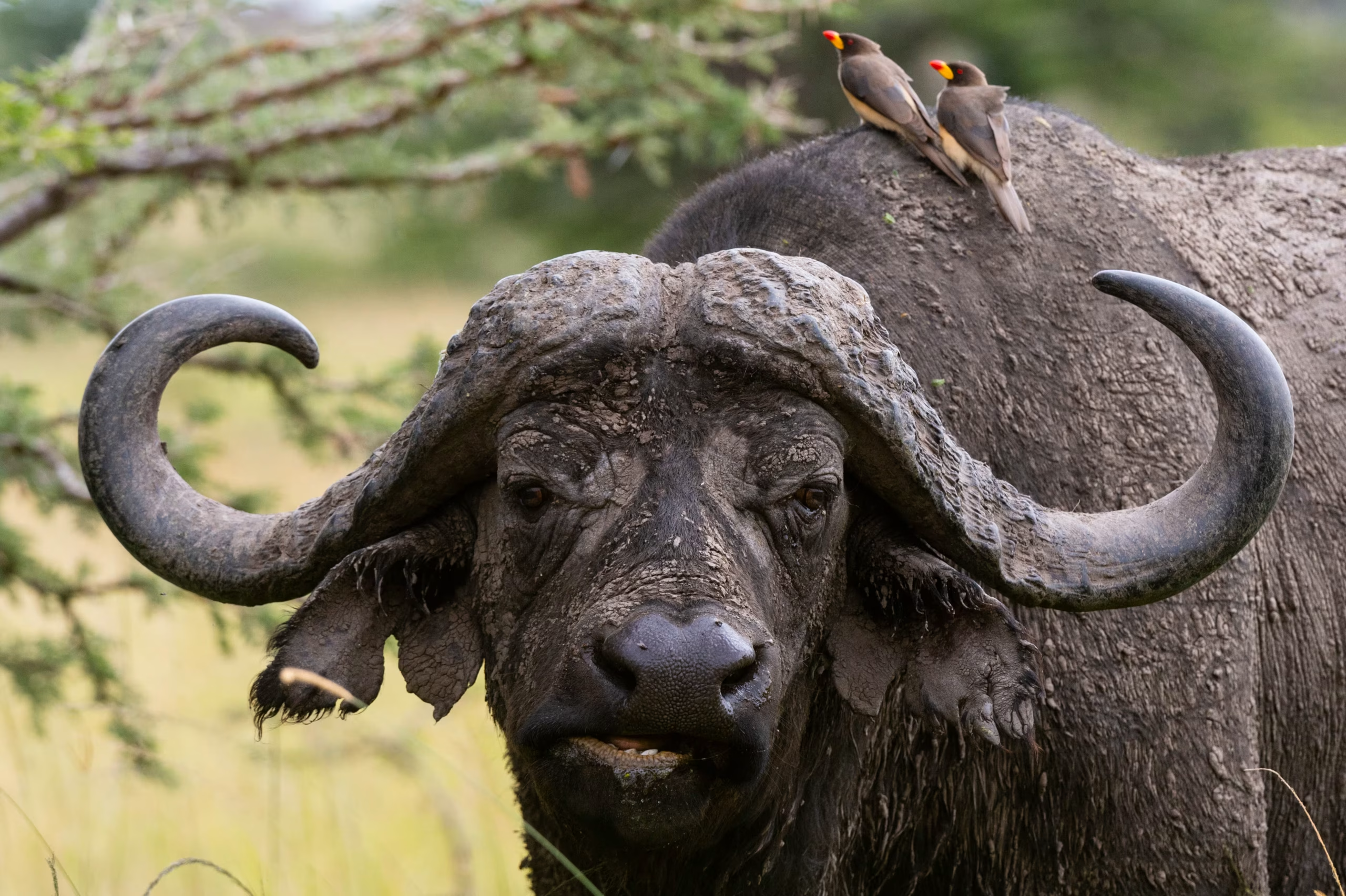
Ask most guides which of the Big Five they respect most and buffalo comes up more often than lion. Herds can run into the thousands, moving as a single unit with a herd memory of predators and threats that makes them genuinely difficult to approach. Older bulls that leave the herd, known locally as “dagga boys” for the mud they wallow in, are considered some of the most unpredictable animals in the bush, unbothered by vehicles and capable of turning aggressive with little warning.
They are common across nearly every park in the Northern Circuit, often seen grazing in large herds near water in the Serengeti and Ngorongoro Crater. Because they are so numerous, buffalo sightings rarely feel rare, but a close pass by a herd, dust and horns and that particular buffalo stare, is still one of the more visceral moments of a game drive.

Guides will tell you the animal most likely to end a walking safari early is not the lion. It is the buffalo that did not see you coming.
04 Leopard — Panthera pardus
The hardest of the Big Five to find, and the sighting most guides quietly consider the real prize. Leopards are solitary, mostly nocturnal, and spend the heat of the day resting in trees, their coats making them close to invisible against dappled shade and bark. Unlike lions, they do not announce themselves, and finding one usually comes down to a guide who knows exactly which drainage lines and fig trees to check.
The Seronera area of the central Serengeti and parts of Tarangire are known for reasonably reliable leopard sightings, often a tail hanging from a branch before the rest of the animal comes into view. Patience matters here more than with any other of the five. A guide circling back to a promising tree two or three times over a day is not wasting time, that is usually exactly how a leopard sighting happens.

05 Black Rhino — Diceros bicornis
The rarest sighting of the five, and the one guests are usually told not to expect rather than promised. Decades of poaching pushed the black rhino to the edge of extinction across East Africa, and Tanzania's surviving population is small, closely monitored, and concentrated almost entirely in the Ngorongoro Crater, where rangers track individual animals daily.
A rhino sighting in the Crater, usually a distant grey shape against the grassland, carries a different weight than the other four. It is a reminder of how close the species came to disappearing entirely, and how much active protection it still takes to keep that population stable. We set expectations honestly here: it is possible, never guaranteed, and worth treating as a privilege rather than a checklist item.

06 Where to See the Big Five
No single park guarantees all five in one visit, which is exactly why the Northern Circuit's mix of parks works so well together. Here is a rough guide to where each animal is most reliably found.
| Park | Lion | Elephant | Buffalo | Leopard | Rhino |
|---|---|---|---|---|---|
| Serengeti | Excellent | Good | Excellent | Good | Rare |
| Ngorongoro Crater | Excellent | Moderate | Excellent | Moderate | Best chance |
| Tarangire | Moderate | Excellent | Good | Moderate | Not present |
Likelihood is a general guide based on typical dry-season game drives, not a guarantee. Your guide's local knowledge and the season you travel in both matter more than the park alone.
07 Questions We Get Asked Every Day
Ready to Go Looking for Them Yourself?
Tell us when you want to travel and we will build an itinerary around the Northern Circuit's best Big Five country, guided by people who track these animals for a living.
Prefer to talk first? Reach us at info@gapiafricasafaris.com or WhatsApp. Our team is based in Arusha and usually replies the same day.
Get the best of Tanzania in your inbox
Migration timing, packing guides, honest camp reviews, and stories from the field.